In November, Operation Trapiche revealed Brazilians recruited by Hezbollah for attacks against Israeli targets, showing Hezbollah’s strategic presence in Brazil.
Emanuele Ottolenghi from the Foundation for Defense of Democracies highlighted Hezbollah’s increased activities.
Brazil is now a hub for illicit global operations and a growing underground economy.
Investigations identified two brothers in São Paulo linked to Hezbollah.
Haj Wissam Rizk, a mobile phone shop owner, and Khalil Rizk, formerly of Hezbollah’s Foreign Relations Department, indicate the group’s deep reach.
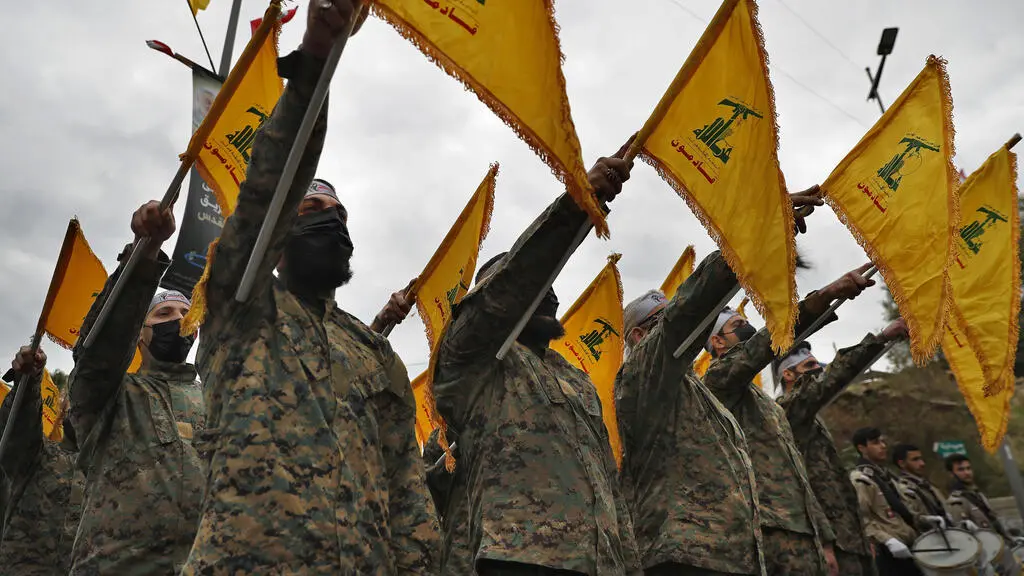
This department fosters Tehran’s ties with global Shi’a communities and supports operatives like those in Unit 910, responsible for international terrorist acts.
Additionally, Mohamad Mansour, previously detained in Egypt, and his brother Ziyad, who runs a São Paulo business, further reveal Hezbollah’s plans to affect the area surrounding Israel.
These cases show Hezbollah’s operations often involve family ties, resembling other criminal networks. This strategy suggests an organized Hezbollah presence in Brazil.
Operation Trapiche also connected Mohamad Khir Abdulmajid and Haissam Houssim Diab, now targeted by Interpol, likely hiding in Lebanon.
Their link underlines Hezbollah‘s well-planned network in Brazil.
The investigation scrutinized travel agencies facilitating operative movements, with one agency noted for money laundering since 2019 standing out.
Abdulmajid’s public condemnation of Israel at the Brazilian Chamber of Deputies reflects Hezbollah’s ideological push.
His connections within Brazil’s Shi’a community confirm Hezbollah’s strategic embedding.
The ongoing investigation into recruitment strategies highlights Hezbollah’s sophisticated network in Brazil, capable of enlisting operatives without formal Islamic ties.
Brazil’s legal structure, which does not recognize Hezbollah or Hamas as terrorist organizations, limits counter-terrorism efforts.
Carlos Reiss from the Holocaust Museum in Curitiba stresses fighting antisemitism with a united approach involving the police, legal institutions, and education.
The rise in antisemitism and extremism challenges Brazil’s fight against terrorist networks.
More: Brazil news in English, every day from The Rio Times.
This article was produced by The Rio Times’ automated newsroom system. How we use AI · Report an error
Read More from The Rio Times