Brazil’s Role in Global Terrorism: Hezbollah’s Presence
Christian Vianna, a Brazilian Federal Police agent, has expressed concerns about Lebanese Shiites in Brazil.
He highlighted their close connections with Hezbollah, a known militant group.
Vianna spoke at a postgraduate course in Buenos Aires organized by the University of Buenos Aires.
The course, supported by various institutions, focused on terrorism in South America.
Marcelo El Haibe, from the Argentine Federal Police, also lectured. He emphasized Interpol’s role in combatting terrorism.
El Haibe outlined Interpol’s global goals, aligning with the United Nations’ 2030 Agenda. These goals include fighting terrorism and enhancing global security.
Interpol uses extensive databases for global security. These databases contain millions of records, accessible within seconds.
They cover various topics, from arms to art theft. This system is crucial for international police cooperation.
Vianna discussed specific cases linking Brazil to global terrorism. He mentioned operations against Islamic State sympathizers and Hezbollah connections.
One operation revealed a network laundering money for Islamic State. Another foiled a plot targeting the 2016 Rio Olympics.
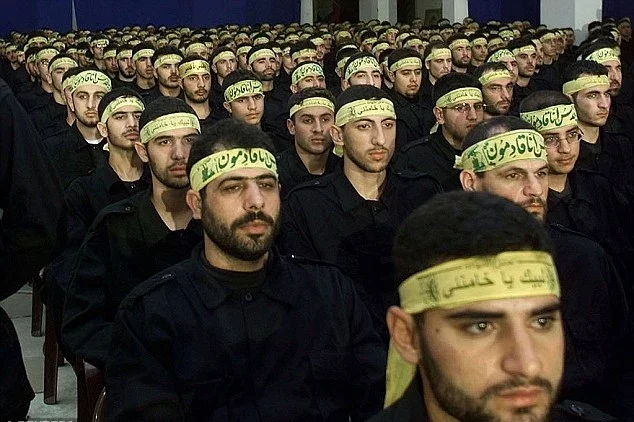
Hezbollah’s influence in Brazil appears strong. Vianna noted communities of Lebanese Shiites in cities like Foz do Iguaçu.
They maintain ties with Hezbollah, posing a security concern. Vianna cited cases of drug trafficking and financing linked to Hezbollah.
Overall, Vianna’s insights reveal the complex web of international terrorism. They show how local communities can have global impacts.
These revelations underscore the need for vigilant and coordinated international security efforts.
Background
The context of Vianna’s remarks reflects rising global concerns about terrorism. Brazil, with its large Lebanese Shiite community, becomes a focal point in South America.
The analysis suggests a deeper investigation into these communities’ activities is necessary.
Comparatively, other countries with similar demographics may provide benchmarking opportunities.
Historically, Brazil has been a melting pot of cultures, which includes Middle Eastern immigrants.
The history of these communities in Brazil is long and complex, often marked by peaceful integration.
However, the emergence of links to groups like Hezbollah indicates a shift.
This situation calls for a nuanced understanding of the dynamics between immigration, community ties, and international security threats.
More: Brazil news in English, every day from The Rio Times.
This article was produced by The Rio Times’ automated newsroom system. How we use AI · Report an error
Read More from The Rio Times