Havanna Sales Drop 9.7% as Argentina’s Alfajor Icon Falls Into the Red
Argentina · Business
Key Facts
- Net result: Havanna swung to a loss of ARS 747 million (~US$502,000) in the second quarter of 2026, from an ARS 1,044 million profit a year earlier.
- Revenue: ARS 32,288 million (~US$21.7 million) in the quarter, down 9.7% in real terms.
- Core products: Alfajores, cookies and Havannets sold ARS 21,673 million (~US$14.6 million), with volume down 3.1%.
- Half-year: Revenue of ARS 87,198 million (~US$58.6 million) and a still-positive net profit of ARS 7,841 million (~US$5.3 million).
- Stores: About 250 in Argentina and roughly 230 abroad, with Brazil the biggest foreign market at 191 shops.
- Ownership: Controlled by the Argentine investment fund Inverlat since 2016; about 7% trades on BYMA under the ticker HAVA.
- Why: A weak Argentine consumer, plus a decision to hold back price rises to protect sales.
An alfajor is one of the cheapest joys in Argentina. When even that gets cut from the shopping list, it tells you how tight household budgets have really become.
Argentina’s most famous alfajor maker just had a sour quarter. Havanna slipped into the red between April and June 2026. Sales fell almost 10% from a year earlier, and the company swung from profit to a net loss of ARS 747 million (~US$502,000).
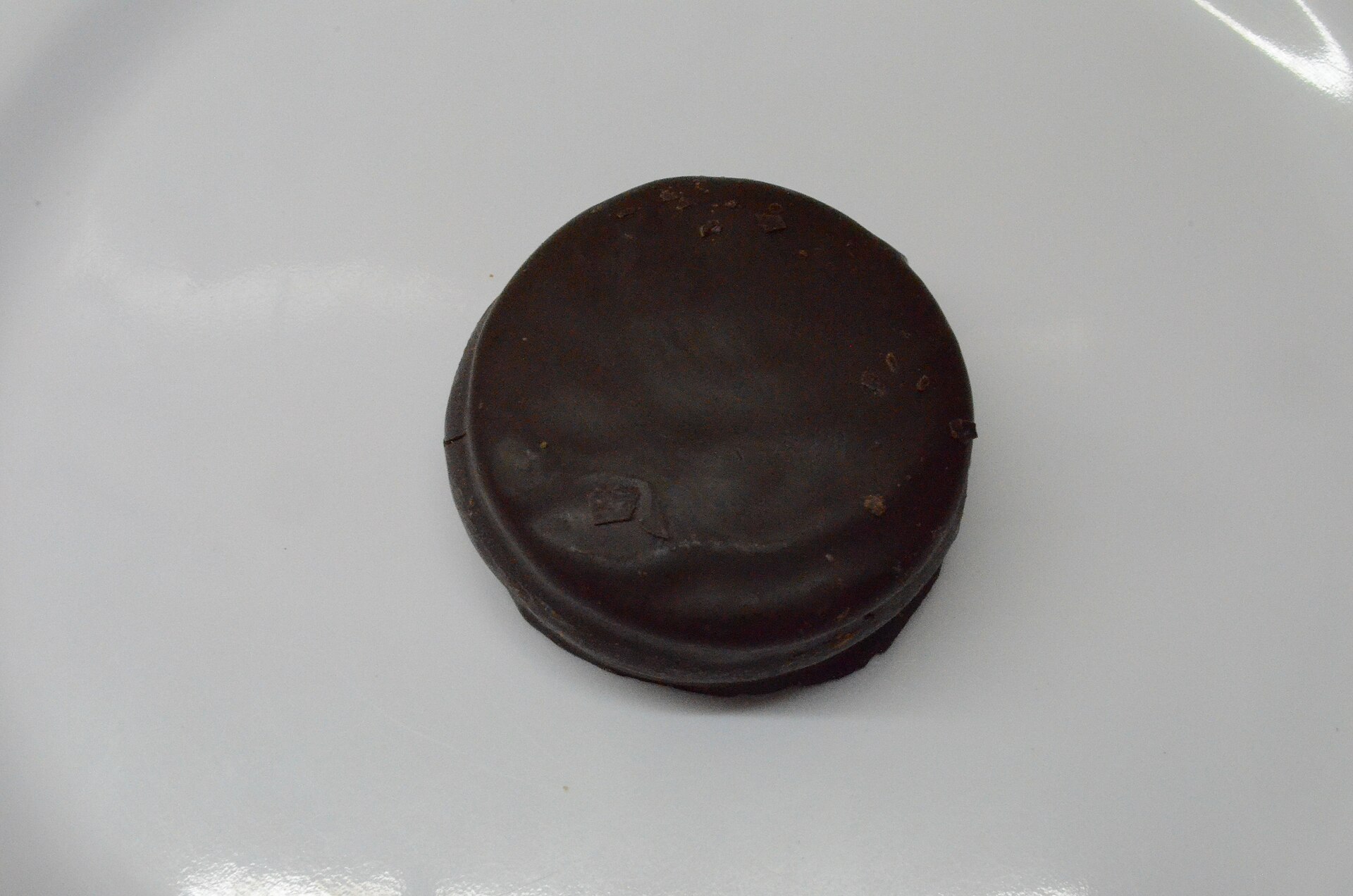
The brand comes from Mar del Plata. It is known for dulce de leche sandwich cookies and its café counters across the country.
What the numbers show
Revenue reached ARS 32,288 million (~US$21.7 million) in the second quarter. That is down 9.7% from a year earlier.
The figure is measured in constant June 2026 pesos. That strips out inflation, so the drop is a real fall in sales — not just a currency effect.
The core business felt it most. Sales of alfajores, cookies and Havannets came to ARS 21,673 million (~US$14.6 million), with volume down 3.1%.
Margins thinned as costs climbed. The operating result dropped 55.5% to ARS 1,553 million (~US$1 million).
Then inflation did the rest. A financial loss of ARS 2,113 million (~US$1.4 million) came mostly from the erosion of cash holdings. That pushed the bottom line into a loss.
Why sales fell
The simple answer is that Argentines are spending less. A treat like an alfajor is easy to skip when money is tight.
Havanna also made a deliberate choice. It held back on raising shelf prices, hoping to keep customers buying.
The company said it chose not to pass the full weight of inflation on to shoppers. That protected sales volumes a little — but it squeezed what Havanna earned on each sale.
The half-year is still positive
Zoom out, and the picture looks less grim. Over the first six months of 2026, Havanna still turned a profit.
Half-year revenue was ARS 87,198 million (~US$58.6 million), down a milder 3.4%. Net profit came in at ARS 7,841 million (~US$5.3 million).
That profit is 15.8% lower than a year before. So the second quarter was the weak stretch, while a stronger start to the year kept the six-month result in the black.
Who owns Havanna, and the stock angle
Havanna was founded in Mar del Plata in 1948. Today it runs about 250 stores across Argentina and roughly 230 more abroad.
Brazil is its biggest foreign market, with 191 shops. Smaller networks operate in Peru, Paraguay, Chile, Spain and Bolivia.
The brand has been controlled by the local investment fund Inverlat since 2016. About 7% of the company trades publicly on BYMA — Argentina’s stock exchange — under the ticker HAVA.
Why this matters to you
Havanna is more than a sweet shop. It works as a thermometer for the Argentine consumer.
When people cut back on a beloved, affordable treat, household budgets are truly stretched. If you live in the region or invest here, that signal is worth watching.
It also hints at how the government’s tough anti-inflation drive is landing on everyday spending. Falling sales at a brand this loved suggest the squeeze is real — and still biting.
More: Argentina news in English, every day from The Rio Times.
Frequently Asked Questions
How much did Havanna lose in the second quarter of 2026?
Havanna reported a net loss of ARS 747 million (about US$502,000) for the second quarter of 2026. That reversed a profit of ARS 1,044 million from the same quarter a year earlier.
Why did Havanna’s sales fall?
Argentine shoppers cut back on treats as budgets tightened. Havanna also held back price increases to keep customers, which protected volumes but squeezed its margins.
Is Havanna still profitable in 2026?
Yes, over the first half of the year. Havanna earned a net profit of ARS 7,841 million (about US$5.3 million) in the six months to June, down 15.8% from a year earlier.
Who owns Havanna?
The brand has been controlled by the Argentine investment fund Inverlat since 2016. About 7% of the shares trade publicly on the BYMA exchange under the ticker HAVA.
How many stores does Havanna have?
Havanna runs about 250 stores in Argentina. It has roughly 230 more abroad, with Brazil its largest foreign market at 191 shops.
Sources: Ámbito Financiero; El Destape; Minuto Uno; iProfesional; La Nación; Bloomberg Línea; and Havanna Holding S.A. filings to BYMA.
This article was produced by The Rio Times’ automated newsroom system. How we use AI · Report an error
Read More from The Rio Times