Green Hydrogen Dreams Fade as Economic Realities Bite
(Analysis) The once-promising green hydrogen sector faces a harsh reality check. Companies worldwide are scaling back or canceling projects due to high costs and slow market growth. This trend signals a more gradual adoption of clean fuel than initially expected.
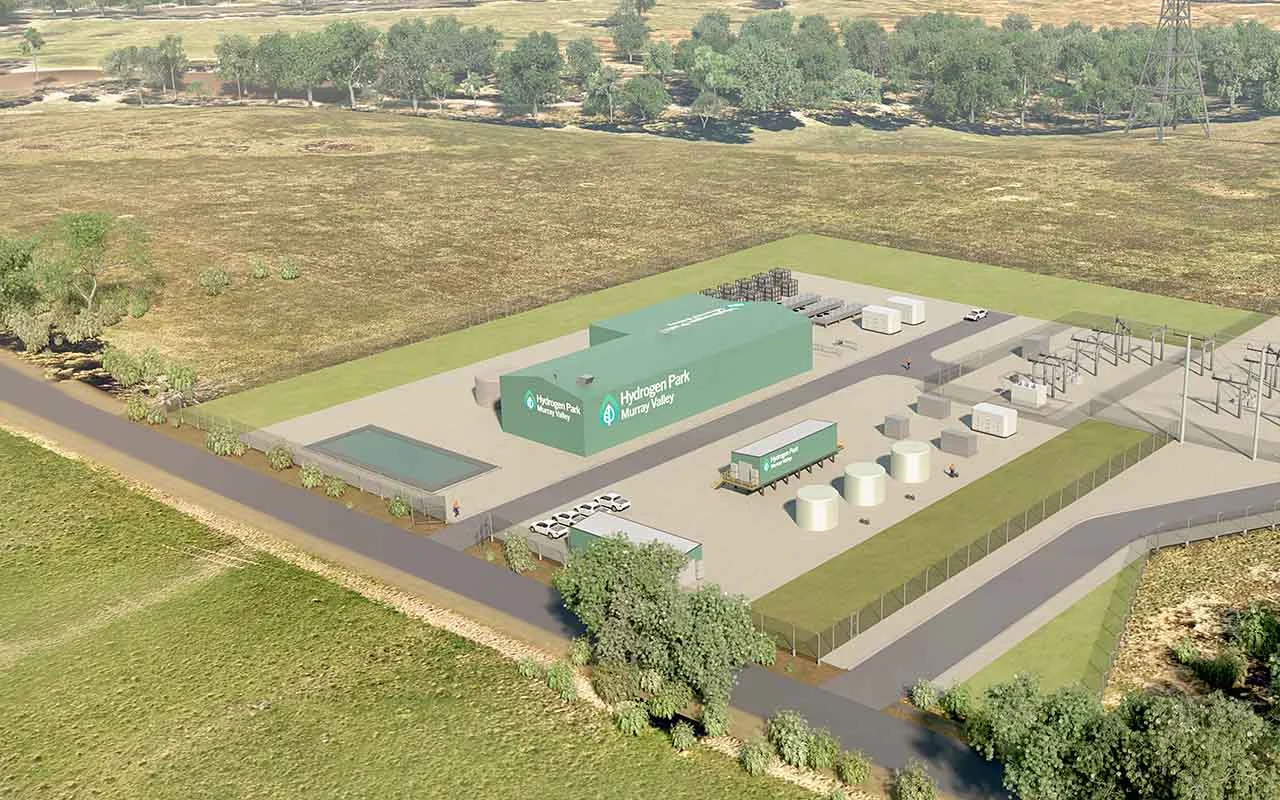
Origin Energy recently scrapped plans for a green hydrogen facility in eastern Australia. CEO Frank Calabria cited slower market development and technological challenges as key reasons. This decision reflects a broader industry struggle to make green hydrogen economically viable.
In the United States, a significant setback occurred when Hy Stor Energy canceled a major equipment order. The 1-gigawatt project would have been the largest of its kind in the country. This cancellation highlights the difficulties in scaling up green hydrogen production.
Australian energy giant Woodside Energy also shelved two large projects. The H2Tas project in Tasmania and the Southern Green Hydrogen project in New Zealand were both put on hold. These decisions underscore the economic hurdles facing even well-established companies in the sector.
Denmark’s Ørsted, a leader in offshore wind energy, withdrew from several green hydrogen schemes. The company’s retreat from projects like “Green Fuels for Denmark” and H2RES near Copenhagen reveals the challenges of integrating renewable energy with hydrogen production.
Despite these setbacks, the global green hydrogen market continues to grow, albeit slower than predicted. The market size increased from $1.59 billion in 2023 to $2.47 billion in 2024. Projections suggest it could reach $11.74 billion by 2028, showing long-term potential.
The project pipeline has expanded significantly, from 228 projects in 2021 to 1,572 in 2024. This growth indicates ongoing interest and investment in the sector. However, many of these projects face uncertain futures due to economic pressures.
Green Hydrogen Dreams Fade as Economic Realities Bite
High production costs remain a major obstacle for green hydrogen. The technology struggles to compete with traditional hydrogen production methods and other energy sources. This cost disparity makes it difficult for companies to justify large investments in the current market.
Slow market development also poses a significant challenge. The demand for green hydrogen has not grown as rapidly as many had hoped. This sluggish growth makes it hard for companies to secure long-term contracts and ensure project viability.
Technological hurdles continue to impede progress. Improvements in electrolyzer technology and efficiency are needed to make green hydrogen more competitive. These advancements are crucial for reducing production costs and increasing scalability.
Brazil Advances Fiscal Incentives for Green Hydrogen Transition
Infrastructure limitations further complicate the situation. The lack of adequate facilities for production, storage, and distribution of green hydrogen hinders widespread adoption. Overcoming these infrastructure gaps requires substantial investment and planning.
Regulatory uncertainty adds another layer of complexity. Many regions lack clear frameworks for green hydrogen development. This ambiguity makes it difficult for companies to plan long-term investments and secure financing.
Global economic factors also play a role in the industry’s challenges. Increased inflation, higher interest rates, and energy market turbulence have impacted project feasibility. These macroeconomic headwinds add to the already complex landscape of green hydrogen development.
More: Brazil news in English, every day from The Rio Times.
This article was drafted with automated assistance and reviewed before publication. How we use AI · Report an error · Editorial responsibility: Matthias Camenzind, Editor-in-Chief
LatAm Markets: Live Signals → — real-time movers, turnover leaders and FX across Latin America.