Ghana Opens a 30-Acre Hybrid Shea Farm That Fruits in Three Years Instead of Twenty
GHANA · AGRICULTURE
Key Facts
- —What happened Ghana opened a 30-acre hybrid shea demonstration farm at Futa in the Tamale Metropolis.
- —The difference The hybrid trees are said to mature in about three years, against 20 to 30 years for wild shea.
- —Who opened it Vice President Naana Jane Opoku-Agyemang planted the first seedlings.
- —Who runs the science A committee hosted by the West African Centre for Shea Innovation and Research at the University for Development Studies.
- —The national target Ghana is aiming at 400,000 tonnes a year and an industry worth about US$640 million.
- —The processing side The revived Buipe factory can handle 60,000 tonnes a year, or up to 180,000 running around the clock.
Three years to fruit instead of twenty to thirty, on thirty acres outside Tamale.
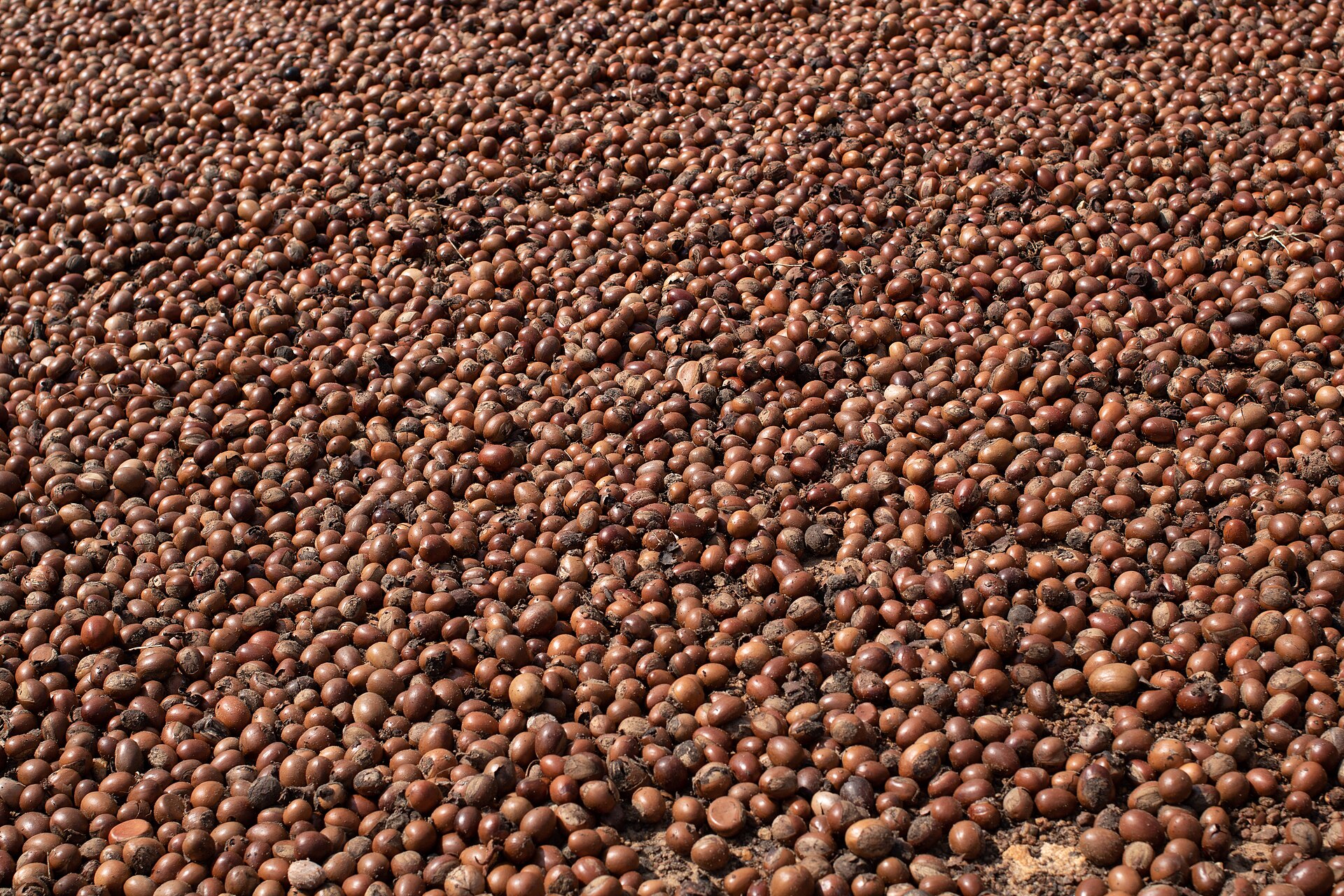
Ghana has opened a 30-acre hybrid shea demonstration farm at Futa, in the Tamale South constituency. The hybrid trees are said to mature in about three years, against 20 to 30 years for wild shea.
What Was Opened
The John Mahama Shea Demonstration Farm covers 30 acres at Futa, in the Tamale South constituency of the Tamale Metropolis. Vice President Naana Jane Opoku-Agyemang planted the first seedlings.
The opening coincides with the World Shea Expo taking place in Tamale this week. Tamale is the largest city in northern Ghana.
The Number That Makes It Interesting
Wild shea trees take between 20 and 30 years to begin fruiting. The hybrid varieties planted at Futa are said to mature in about three years.
That claim is attributed to Peter Boamah Otokunor, director of the Presidential Initiatives in Agriculture and Agribusiness. It is the single figure the whole project rests on.
Why the Waiting Time Shapes the Industry
A tree that takes a generation to fruit cannot be planted as a commercial crop. Shea has therefore been gathered from wild stands rather than farmed.
Gathering is done overwhelmingly by women in northern Ghana, working trees they do not own. A farmed crop would change who holds the asset as well as how much is produced.
Who Is Behind the Science
A technical management committee is hosted by the West African Centre for Shea Innovation and Research at the University for Development Studies. The centre is based in northern Ghana.
It works alongside the Cocoa Research Institute of Ghana, a division of the Ghana Cocoa Board, and the Tree Crop Development Authority. The institute brings tree-crop breeding experience from cocoa.
What Ghana Is Aiming At
The government has set a target of 400,000 tonnes of shea a year. It values the industry at that scale at about US$640 million.
Those are aims rather than forecasts. No timetable for reaching them has been published.
The Factory at the Other End
The Buipe shea processing factory, first established in 2012, has been revived. It can handle 60,000 tonnes a year, rising to as much as 180,000 tonnes running around the clock.
The plant is expected to support between 300 and 1,000 direct jobs. Processing capacity is what determines whether Ghana exports nuts or butter.
Why a Demonstration Farm and Not a Plantation
A demonstration farm exists to show farmers that a method works and to train them in it. It is a teaching site rather than a production site.
Thirty acres will not move national output. Its purpose is to persuade people with land to plant.
What It Means for Northern Ghana
Shea income in the north is seasonal and overwhelmingly female. A shift toward planted trees would create new questions about land tenure and who benefits.
Those questions have not been addressed publicly alongside the launch. They will determine whether the gains reach the people who currently gather the crop.
What Is Not Yet Known
No yield data from the hybrid trees has been published. The three-year maturation figure has not been independently verified.
It is also unclear how seedlings will be distributed or priced. Without that, farmers cannot act on the demonstration.
What to Watch
Publication of yield figures from the demonstration plots. That is when the claim becomes checkable.
Watch also for a seedling distribution programme. A demonstration farm without one changes nothing beyond its own fence.
More: Africa news and analysis, every day from The Rio Times.
Frequently Asked Questions
What did Ghana open?
A 30-acre hybrid shea demonstration farm at Futa in the Tamale Metropolis.
How fast do the hybrid trees mature?
About three years, against 20 to 30 years for wild shea.
Who opened it?
Vice President Naana Jane Opoku-Agyemang, who planted the first seedlings.
Who provides the research?
A committee hosted by the West African Centre for Shea Innovation and Research, with the Cocoa Research Institute of Ghana and the Tree Crop Development Authority.
What is Ghana’s target?
400,000 tonnes a year and an industry worth about US$640 million.
What processing capacity exists?
The revived Buipe factory can handle 60,000 tonnes a year, or up to 180,000 running around the clock.
Sources: Ghanaian government announcements at the World Shea Expo in Tamale, 17 September 2026, as reported by MyJoyOnline and GBC.
This article was produced by The Rio Times’ automated newsroom system. How we use AI · Report an error
Read More from The Rio Times