Germany’s New Leadership Signals Tough Stance on Borders and Citizenship
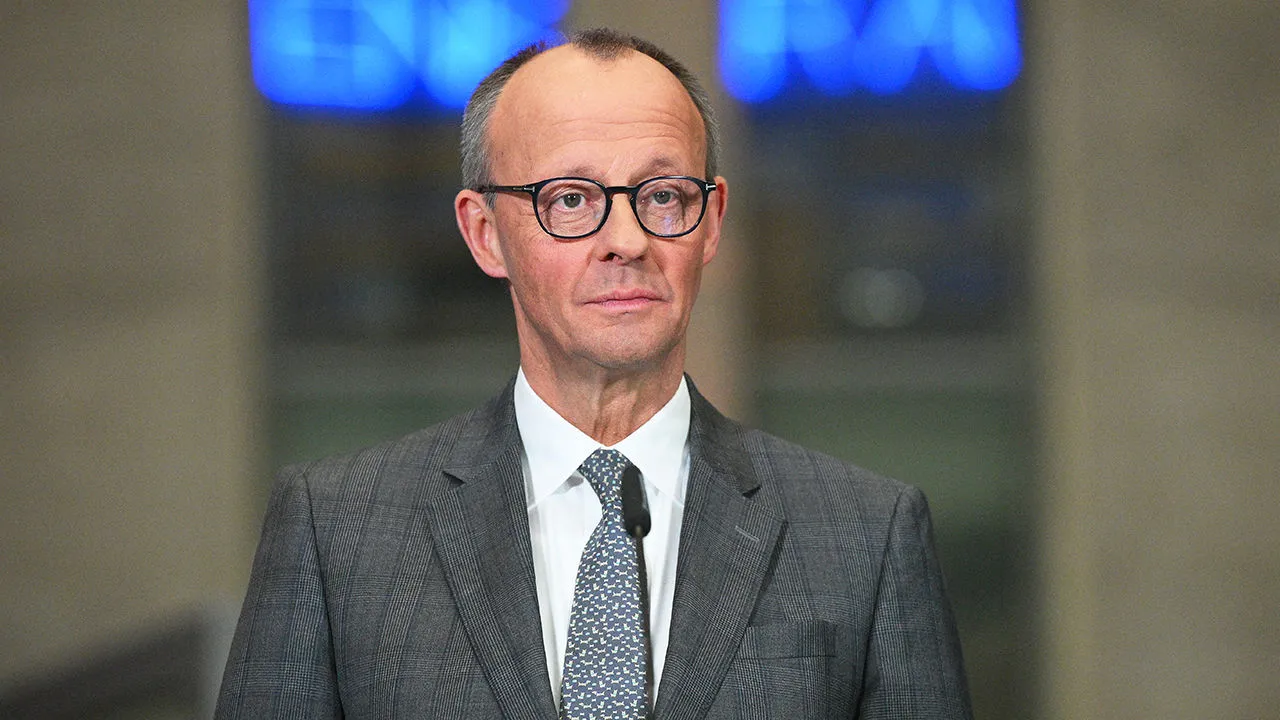
Friedrich Merz, Germany’s incoming chancellor, announced bold border and immigration policies on April 9, 2025, straight from coalition talks.
Leading the Christian Democratic Union (CDU), he revealed plans for permanent border controls and a five-year minimum residency for citizenship. The CDU, allied with the Social Democratic Party (SPD), aims to end federal refugee programs, marking a sharp pivot from past approaches.
Merz’s coalition emerged from the February 23, 2025, election, where the CDU secured 29% of the vote, narrowly surpassing the populist Alternative für Deutschland (AfD) at 21%.
Since then, support for the CDU has dropped to 26%, while the AfD has risen to 24%, reflecting growing mistrust among Germans toward Merz’s government even before his tenure begins.
Public frustration over migration, fueled by incidents like the 2024 Aschaffenburg knife attack, drove this shift. Now, with the government set to assume power on April 28, Germany braces for tighter controls affecting over 200,000 annual asylum seekers.
Economic pressures amplify this story. Donald Trump’s tariffs on European goods, announced earlier in 2025, unsettle markets, prompting Merz to assert, “Europe can rely on Germany.”
Balancing Migration Control with Labor Demands
The coalition also plans a Swedish-style voluntary military service and a €500 billion fund for defense and infrastructure. Yet, labor shortages loom large, with 1.7 million vacant jobs reported in early 2025.
Critics question the feasibility of these measures. Suspending family reunification, which aided 50,000 relatives yearly, and deporting 250,000 individuals face legal and logistical hurdles.
Merz’s earlier flirtation with AfD support in January 2025 stirred backlash, though he now distances himself from such ties. Still, the SPD’s concessions on migration signal a pragmatic, if tense, alliance.
This shift reflects Germany’s balancing act. Rising deportations, including to Syria, target security risks, while economic survival demands skilled workers.
Merz’s promise of a “strong, actionable government” faces tests as global uncertainties grow. The real story lies in these numbers—migration curbs versus labor needs—revealing a nation at a crossroads, steering toward control amid chaos.
This article was produced by The Rio Times’ automated newsroom system. How we use AI · Report an error
Read More from The Rio Times