U.S.-Taiwan Relations Strained as TSMC Investigated for Huawei Chip Links
The United States Department of Commerce is investigating Taiwan Semiconductor Manufacturing Company (TSMC) for allegedly violating export controls by supplying chips to Huawei.
Huawei, a Chinese tech giant, has been blacklisted by the U.S. since 2020, preventing it from receiving products made with American technology. Investigators discovered that chips produced by TSMC were used in Huawei’s Ascend 910B artificial intelligence processor, raising concerns about unauthorized transactions.
TSMC reportedly manufactured nearly three million chips for Sophgo, a Chinese company, which were later redirected to Huawei. Sophgo denies direct ties to Huawei, but evidence suggests otherwise.
As TSMC’s manufacturing process involves U.S.-origin technology, its facilities in Taiwan are subject to American export regulations. Violations of these laws could result in fines exceeding $1 billion, reflecting the scale of the alleged breach.
This development intensifies geopolitical tensions between the U.S., China, and Taiwan. Taiwan dominates global chip production, accounting for 60% of the market.
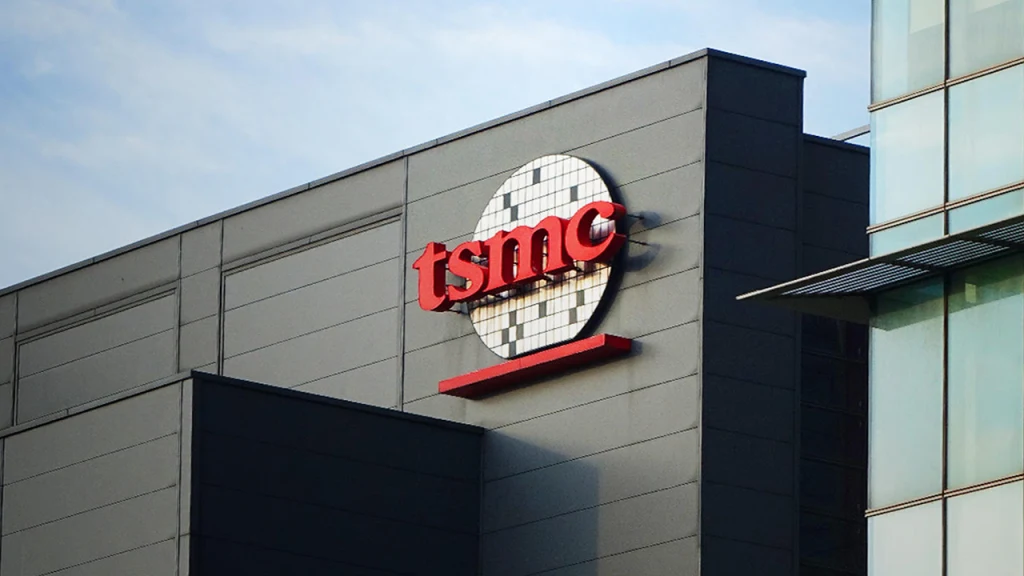
The U.S. has invested heavily in domestic semiconductor manufacturing through the Chips and Science Act, allocating $52.7 billion in subsidies. TSMC has received $6.6 billion in incentives and plans to invest $100 billion in building five factories in the U.S., including a second facility in Arizona by 2028.
The investigation impacts TSMC’s financial performance and reputation. Its shares fell nearly 3% after news broke but later stabilized with a smaller decline. Despite record revenue of $87.5 billion in 2024, its market valuation has dropped 29% this year due to geopolitical risks.
This case highlights challenges in enforcing export controls and underscores the complexities of global semiconductor trade amid escalating U.S.-China competition. TSMC denies supplying chips to Huawei since 2020 and is cooperating with investigators while navigating growing scrutiny over its operations.
This article was produced by The Rio Times’ automated newsroom system. How we use AI · Report an error · Editorial responsibility: Matthias Camenzind, Editor-in-Chief