Fuel Shortage Hits Venezuela as The Country Prepares For Elections
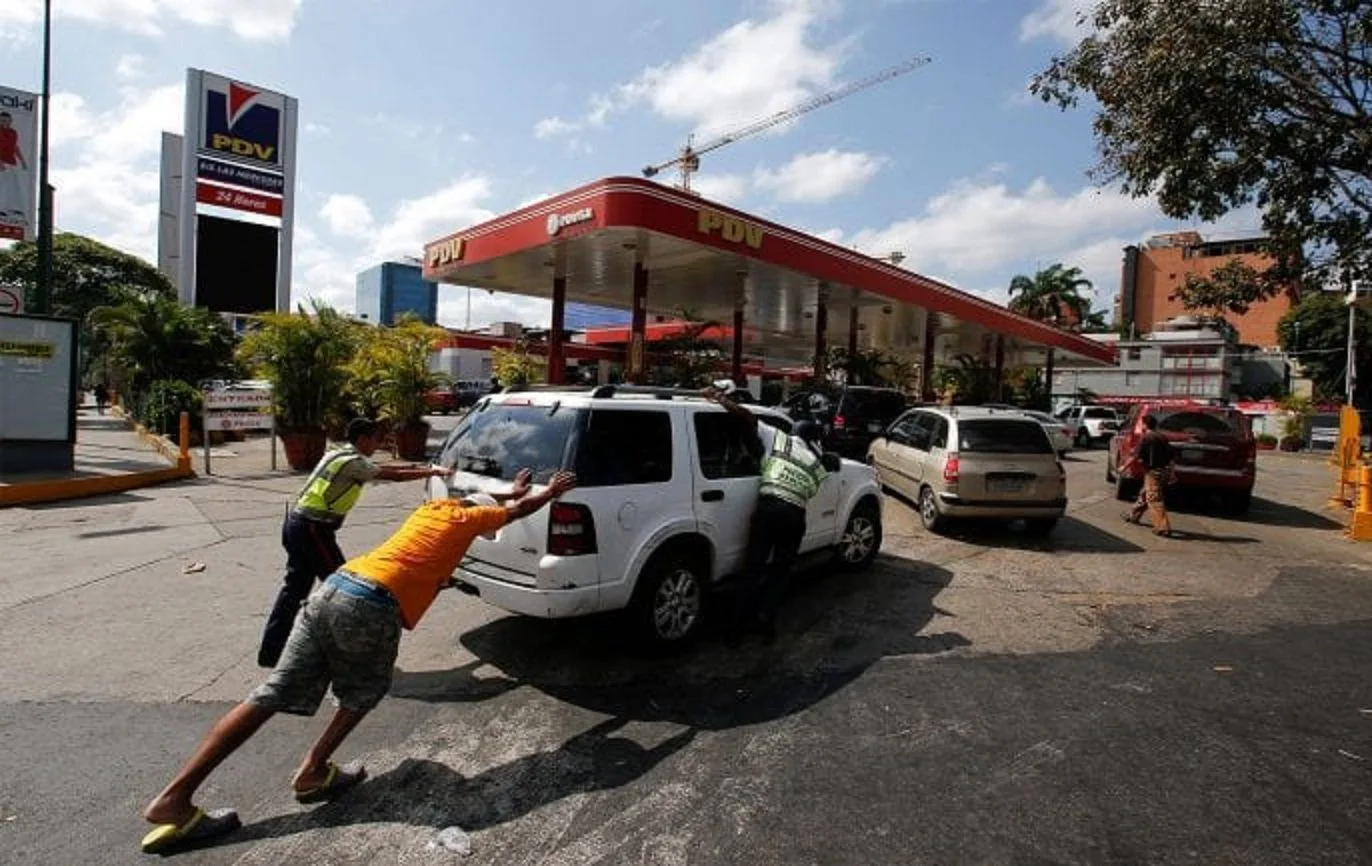
Venezuela, once an energy powerhouse, now faces severe gasoline shortages, with Caracas unaffected but regions like Mérida and Zulia suffering.
Gas stations ration fuel by license plate numbers, disrupting daily life in these areas. This shortage severely impacts agricultural production, creating widespread difficulties.
The state-owned PDVSA struggles to maintain refineries and manage poorly trained staff, worsened by international sanctions.
A Greek tanker from Iran delayed its fuel delivery, adding to the crisis. Despite recovering some crude production, Venezuela cannot fully supply its market.
Import delays cause major disruptions, adding to years of instability and frequent electricity issues.
After a production collapse from 2014 to 2019 under Nicolás Maduro, Venezuela fights to restore oil output.
Current production averages just over 800,000 barrels daily, far below the historic three million barrels.
Recently, the U.S. Treasury issued licenses allowing Repsol to invest in new oil fields, potentially increasing production by 200,000 barrels by year-end.
Economists predict Venezuela could reach one million barrels daily by late 2024.
Besides Repsol, companies like Chevron, Murel & Prom, and Eni continue investing in Venezuela.
These investments focus mainly on well maintenance and overdue payments, aiming to stabilize the industry.
PDVSA, led by Pedro Tellechea, shows some local production improvements. Before Chávez, PDVSA managed exploration, production, refining, and exporting.
Now, challenges include over-politicization, bloated payrolls, and rampant corruption, combined with international sanctions and poor maintenance.
Fuel Shortage Hits Venezuela as The Country Prepares For Elections
Guyana attracts substantial investments from multinational oil companies, while Venezuela’s leadership repels investors with hostile procedures.
The country’s refinery network, one of the world’s largest, remains partially functional despite efforts to restore it with Iranian help.
Frequent repairs lead to new breakdowns, causing further instability.
Accidents, fires, and ecological damage have plagued the industry, notably the 2010 Amuay refinery explosion, which caused numerous deaths and extensive damage.
Legislative investigations into such incidents often face political roadblocks.
Diosdado Cabello, former Legislative Power president, recently acknowledged public service issues but blamed privatization threats from opposition parties.
These systemic problems highlight the urgent need for effective solutions in Venezuela’s energy sector.
More: Venezuela news in English, every day from The Rio Times.
This article was produced by The Rio Times’ automated newsroom system. How we use AI · Report an error
Read More from The Rio Times