Floods in Rio Grande do Sul Cause Significant Losses in Soybean Crop
Floods in Rio Grande do Sul have devastated the state’s soybean crop, with Emater estimating the loss at 2.714 million tons.
Initially, the Brazilian state projected a production of 22.246 million tons over 6.68 million hectares.
However, adverse weather reduced the productive area to 1.49 million hectares and yield to 2,923 kilograms per hectare.
Consequently, the new estimate stands at 19.532 million tons.
Flooding also affected corn, rice, and beans:
- Corn: 113,700 hectares flooded, causing a loss of 354,189 tons. Production estimates dropped from 5.2 million to 4.85 million tons. Yield fell from 6,401 to 5,966 kilograms per hectare.
- Rice: Losses expected to total 160,664 tons.
- Beans: Losses of 18,244 tons reported.
Rio Grande do Sul, Brazil’s second-largest soybean producer, faces estimated damages of R$423 ($80) million.
These losses disrupt crops, livestock, and logistics, heavily impacting the state’s economy.
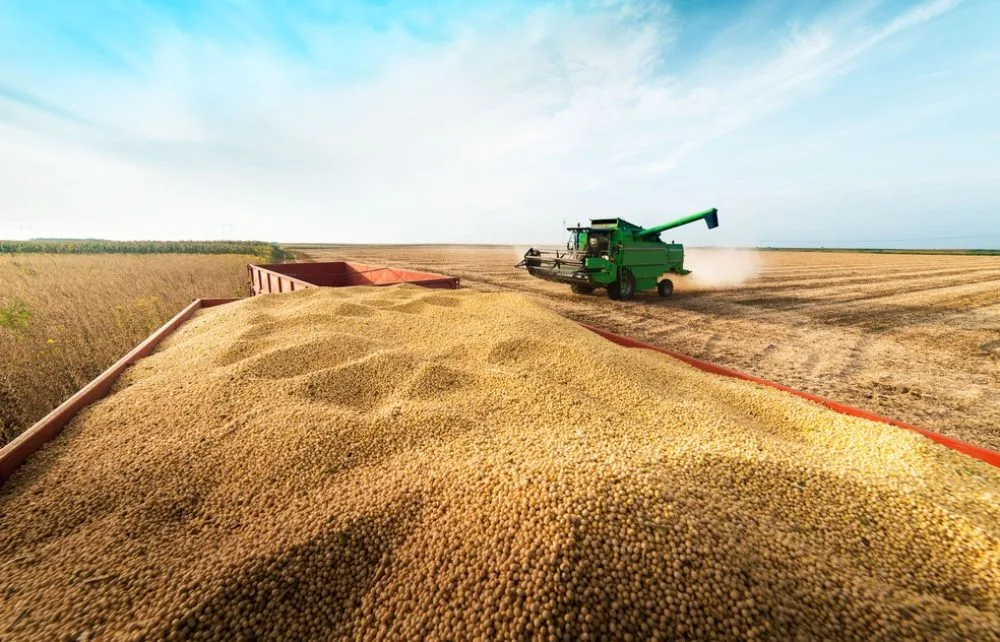
The national soybean production for the 2023/24 season is now estimated at 142.82 million tons.
This decline in production has global market implications, contributing to fluctuations in futures prices on the Chicago Board of Trade CBOT.
Floods have worsened conditions for farmers, who already face droughts and waterlogged fields.
Approximately 40% of the soybean planting area remains underwater, significantly affecting harvest quality and quantity.
Background
These losses reflect a pattern of increasing climate-related disruptions in agriculture worldwide.
Continued volatility emphasizes the need for adaptive farming strategies and resilient agricultural infrastructure.
The agricultural sector’s ability to bounce back from such disruptions is crucial for both local and global food security.
Rio Grande do Sul plays a critical role in Brazil’s agriculture, a major component of the global food supply chain.
Disruptions here ripple out, affecting food prices and availability worldwide. Adaptation and resilience in farming practices are essential to mitigate such impacts in the future.
These losses highlight the urgency for better climate adaptation strategies.
More: Brazil news in English, every day from The Rio Times.
This article was produced by The Rio Times’ automated newsroom system. How we use AI · Report an error
Read More from The Rio Times