Festival Sangue Novo Returns to Salvador, Brazil on 17–18 October 2026
BRAZIL · FESTIVALS
Key Facts
- —The country Salvador is Brazil’s first capital and the centre of its Afro-Brazilian musical tradition.
- —What happens Festival Sangue Novo runs on 17 and 18 October 2026 at Trapiche Barnabé, across two stages.
- —The line-up Céu, Zaynara, Rachel Reis, Juliana Linhares, Zé Ibarra and Getúlio Abelha all play.
- —The money Day tickets start at R$80, about US$15, and are sold through Sympla.
- —The catch The venue reopened recently, so seating and circulation are still settling in.
Festival Sangue Novo brings Céu, Zaynara and Rachel Reis to a restored 18th-century wharf in Salvador.
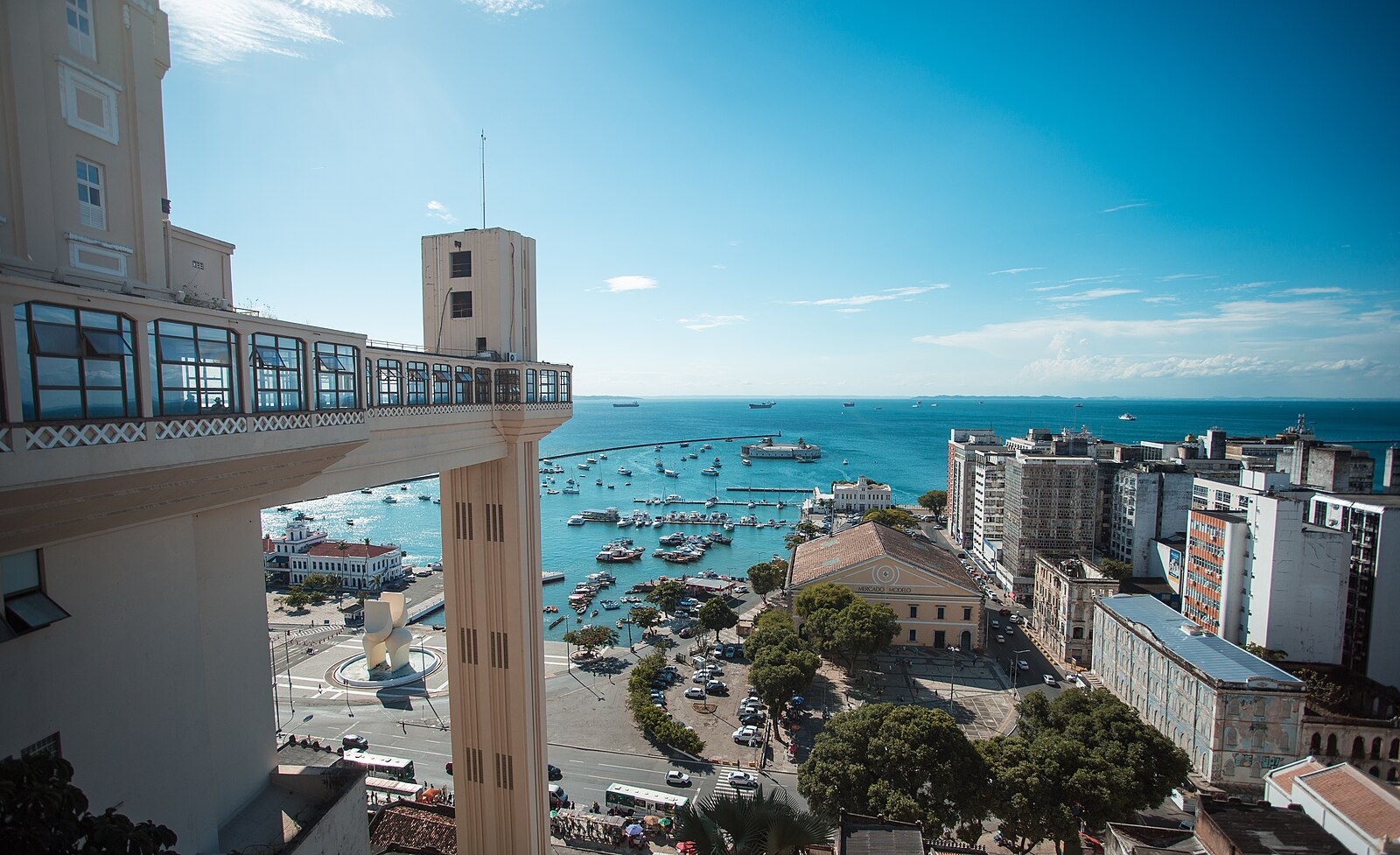
Festival Sangue Novo returns to Salvador, Brazil, on Saturday 17 and Sunday 18 October 2026. The eighth edition runs at Trapiche Barnabé in the Comércio district.
What happens on 17 and 18 October
The eighth edition of the festival runs over one weekend. Saturday 17 and Sunday 18 October 2026 each carry a full bill.
There are two stages. The TIM stage takes the headline acts, and the Maré stage runs smaller sets and DJs.
Saturday’s TIM stage has Guigga Maraká, Juliana Linhares, Zaynara and Céu. The Maré stage that day has Brega a Dois and Totô de Babalong.
Sunday’s TIM stage has Bia Soull, Getúlio Abelha, Zé Ibarra and Rachel Reis. DJs Nate Mônaco, Ubunto and Rick Nogueira close the Maré stage.
Each day is ticketed separately. A visitor can take one day or both.
Where Festival Sangue Novo is held
Trapiche Barnabé sits in Comércio, the low-lying district beside Salvador’s port. The theatre entrance is at Rua do Pilar 40.
The building is an 18th-century wharf. Coffee, sugar and tobacco left Brazil through this stretch of waterfront when Salvador’s harbour led South American trade.
It fell out of use as the modern port moved elsewhere. The structure reopened as a cultural centre in 2025 after years of decay.
The festival is one of the first large music events held there. That is part of the draw and part of the risk.
The events space has a second address at Avenida Jequitaia, 5. Both entrances serve the same complex.
The music and where it comes from
Céu is a São Paulo singer who mixes samba, soul and electronic production. She has toured widely outside Brazil.
Zaynara comes from Pará, in the north, and plays a style local to Belém. Her set is billed as her Salvador debut.
Rachel Reis is Bahian and sings in a pop register built on local rhythms. She is one of the state’s best-known younger artists.
The bill mixes regions on purpose. That is the festival’s stated idea: new blood, drawn from across Brazil rather than from Bahia alone.
Getúlio Abelha works in brega, a northeastern pop style once dismissed as cheap. A younger generation of Brazilian artists has rebuilt it.
What it costs and how to plan
Day tickets start at R$80, about US$15. They are sold through Sympla, a Brazilian ticketing platform.
Currency conversions here use the rate of 25 September 2026, when US$1 bought about 5.18 Brazilian reais.
Comércio is reached from the upper city by the Lacerda Lift, a public elevator that runs for a few cents. Taxis and ride apps also serve the area.
The district is busy by day and quiet at night. Travel in a group or by car after dark, as you would in most port districts.
October in Salvador is warm and humid, with rain possible. The site is partly covered, so a light rain jacket is enough.
Why this matters beyond the weekend
Salvador has spent a decade trying to bring life back to Comércio. Restoring a wharf and filling it with music is part of that effort.
Whether it holds depends on what happens in the quieter months. One festival does not revive a district.
For residents and visitors, the practical gain is a new mid-size venue. Salvador has long had few rooms between small bars and Carnival-scale streets.
A mid-size room changes which artists can tour there. Acts too big for a bar and too small for an arena now have somewhere to play.
The wider pattern is familiar across Latin America. Port cities from Buenos Aires to Valparaíso have turned disused warehouses into cultural space.
Salvador’s music economy runs on Carnival. Events outside that season spread the work across the year for local crews and suppliers.
What is not yet known
Set times had not been published when this article was written. Festivals in Brazil often release them in the final week.
The upper ticket tiers are also unconfirmed. Only the entry price of R$80, about US$15, has been announced.
Capacity for the site has not been made public. That matters for anyone deciding how early to arrive.
No information has been released about accessibility at the restored building. Anyone who needs it should contact the venue directly.
The organisers have not said whether either day is close to selling out. Demand for the Saturday bill is usually higher.
FAQ
When is Festival Sangue Novo 2026?
Saturday 17 and Sunday 18 October 2026, in Salvador, Bahia. It is the eighth edition of the festival.
Who is playing?
Céu, Zaynara, Juliana Linhares and Guigga Maraká on Saturday. Rachel Reis, Zé Ibarra, Getúlio Abelha and Bia Soull on Sunday.
How much are tickets?
Day tickets start at R$80, about US$15, through the Sympla platform. Higher tiers had not been published when this article was written.
Where is Trapiche Barnabé?
In the Comércio district beside Salvador’s port, with the theatre entrance at Rua do Pilar 40. The Lacerda Lift connects it to the upper city.
Sources: Bahia Notícias line-up announcement; Billboard Brasil; Salvador da Bahia tourism board venue file; Alô Alô Bahia.
This article was produced by The Rio Times’ automated newsroom system. How we use AI · Report an error
In depth
Read More from The Rio Times