Falklands Offshore Licences Extended Five Years Amid Argentine Pressure
Argentina · Energy
Key Facts
- —What happened The Falkland Islands Government said on 21 September 2026 it will extend all existing offshore hydrocarbons production licences for five years.
- —Who holds them Navitas, Rockhopper and its subsidiaries, Borders & Southern and JHI, according to the government’s licence register.
- —Why it matters Every licence phase in the register was due to expire on 31 December 2026, including the Sea Lion discovery area.
- —The catch The extension depends on satisfactory progress against work programmes, and the statement gave no new expiry dates.
- —What Argentina says Its foreign ministry calls the licensees illegitimate and has opened 60 administrative proceedings; no response to the extension was reported.
- —The project at stake Sea Lion, sanctioned in December 2025 at US$2.1 billion to completion, targets first production in 2028.
The islands’ government has given every offshore licence holder, including the partners behind the Sea Lion project, five more years. Argentina spent September warning suppliers to stay away.
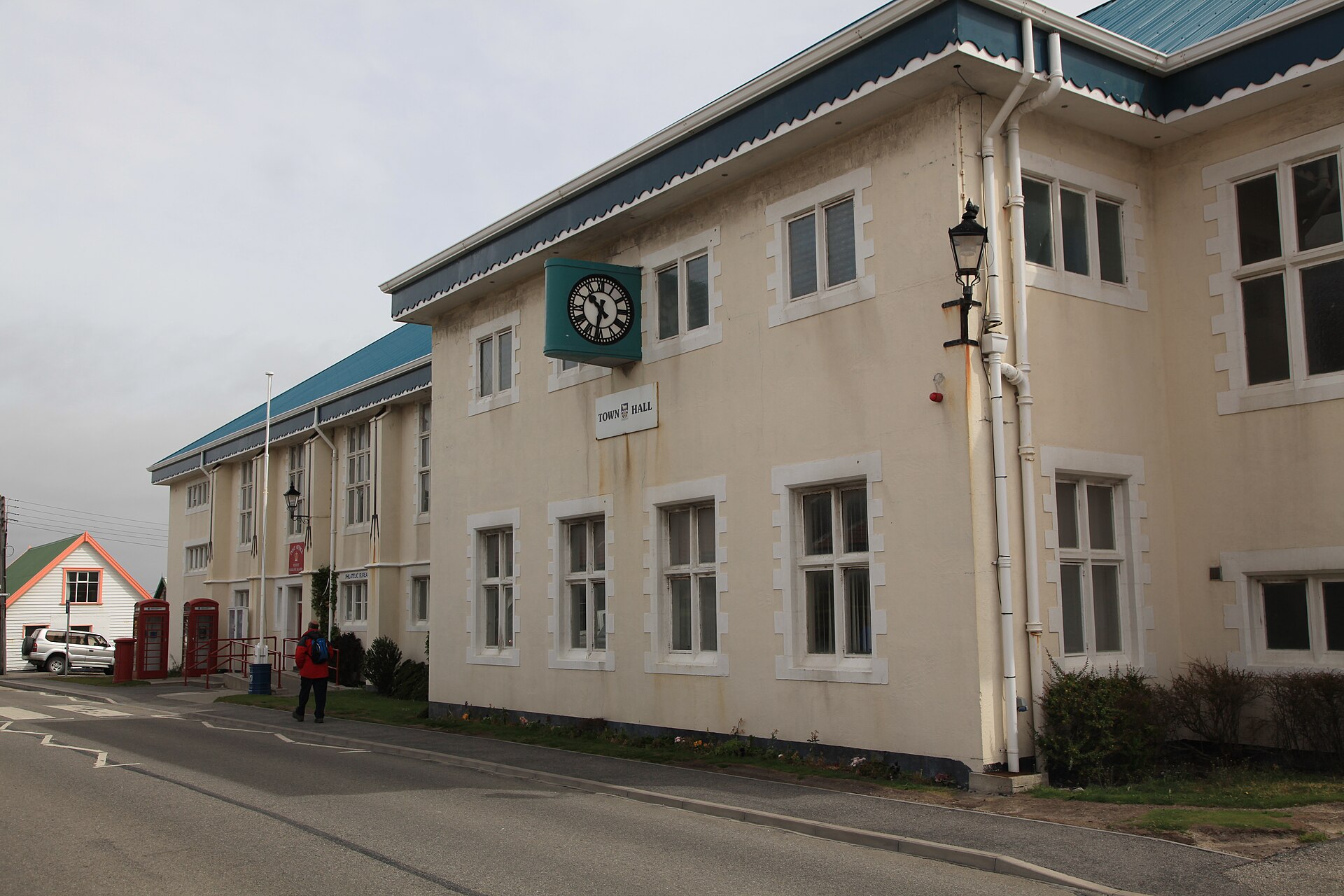
The Falklands offshore licences held by Navitas, Rockhopper and two smaller explorers will be extended for five years. The Falkland Islands Government, which runs the British-ruled South Atlantic archipelago, announced the decision on Monday 21 September 2026.
Every licence phase was due to expire on 31 December 2026, according to the government’s own register. The extension, once issued, lifts that deadline in a basin that Argentina claims as its own.
What the government announced
The statement covers “all existing offshore hydrocarbons production licences”, which it says are all still in their exploration term. The decision, it adds, has “the full support of the UK Government”.
The five years come with an optional two further years at the government’s discretion. Both depend on “satisfactory progress by the licensees against their work programmes”.
The Department of Mineral Resources, the islands’ licensing regulator, is now drafting enhanced work programmes with the companies. The government says these will include commitments to drill additional appraisal wells.
The statement does not list the licences one by one or give new expiry dates.
Cheryl Roberts, the elected legislator who holds the trade, industry and mineral resources portfolio, spoke for the government. “These extensions provide security to operators, enabling them to continue to invest and develop their acreage,” she said.
She added that the resources would be developed “responsibly, in line with best global practice with regards to environmental and safety standards”.
The government also approved a 65% stake in licence area PL001 for Navitas Petroleum Atlantic Limited. Officials hope this will “accelerate the assessment and development” of the block.
In March that block of about 1,125 square kilometres belonged entirely to JHI Falkland, a subsidiary of JHI Associates. MercoPress, the South Atlantic news agency, reports that JHI keeps 35%.
Who holds the acreage
The government’s March register lists 15 licence areas and two declared discovery areas. The Israeli company Navitas operates eight of those areas and the Sea Lion discovery, each with a 65% share.
Rockhopper Exploration, a British company listed in London, holds the partner stakes in those areas through subsidiaries including Desire Petroleum. Its Falkland Oil and Gas subsidiary also holds three licences outright.
Borders & Southern Petroleum holds three more licences and the Darwin discovery area. JHI completes the list with PL001, in which the government has approved a 65% stake for Navitas.
Sea Lion, the project behind the extension
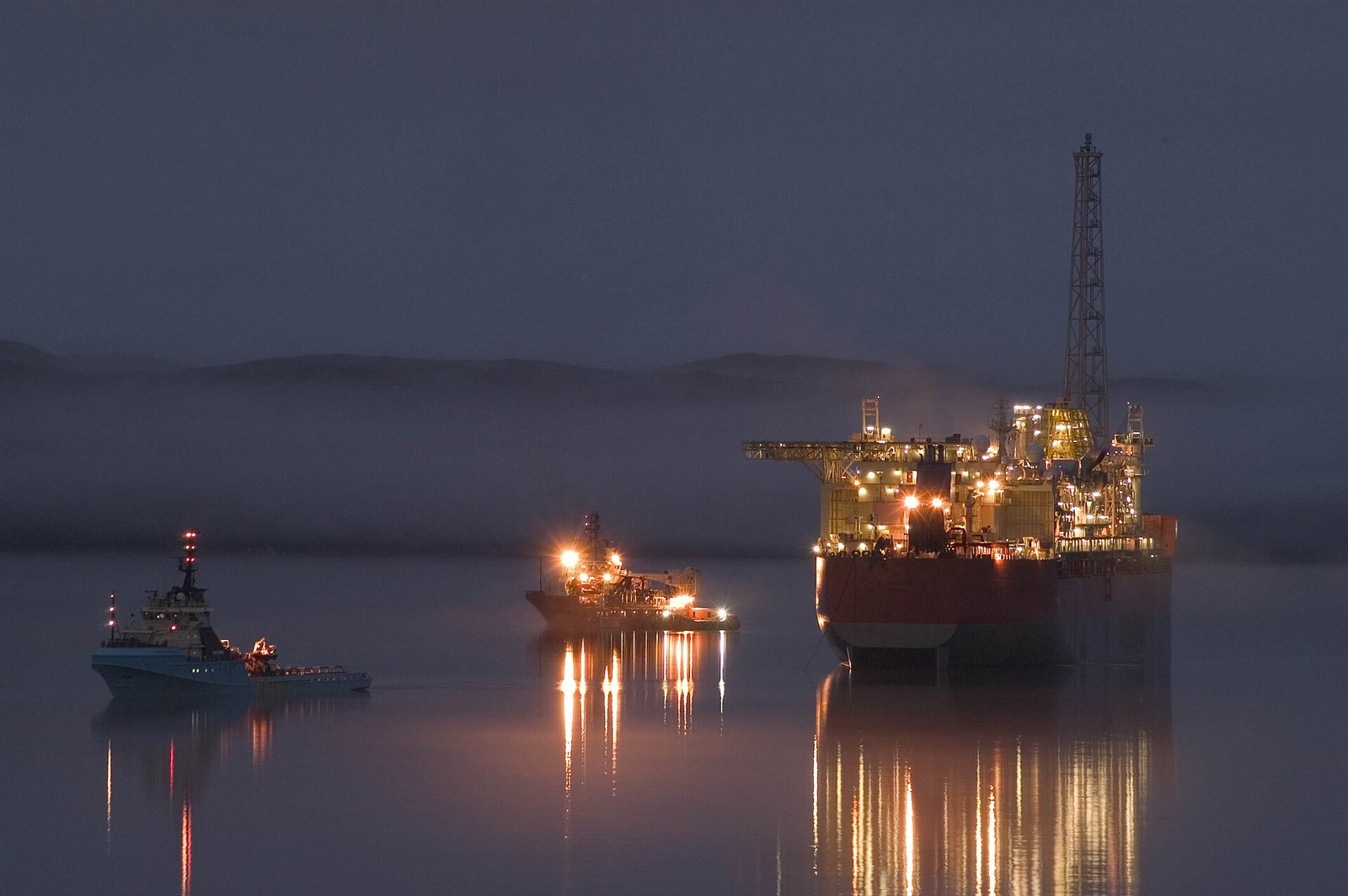
The centrepiece is Sea Lion, a field in the North Falkland Basin declared a discovery in 2010. Navitas and Rockhopper took the final investment decision on its first phase on 10 December 2025.
Rockhopper put the funding need at US$1.8 billion to first production and US$2.1 billion to completion. Phase one targets 170 million barrels, at a peak of about 50,000 barrels a day.
In December 2025 Rockhopper said the Sea Lion licences would move into a 35-year exploitation phase after government approvals. Monday’s statement describes every licence as still in the exploration term.
In May 2026 Rockhopper said the operator, Navitas, had moved the Aoka Mizu vessel upgrade to Asia because of the Iran conflict. The switch added about US$45 million to costs, it said.
The operators plan to start drilling in early 2027 and expect first production in the first half of 2028. On 4 September 2026 Offshore Energy reported their view that recent developments would not have “a material effect” on the work.
Argentina’s campaign against suppliers
No Argentine response to the extension had been reported by Monday. A week earlier, on 15 September 2026, the foreign ministry protested against British guidance for companies trading with the islands.
That statement called Rockhopper and Navitas illegitimate licensees. It said Argentina had summoned the British and Israeli ambassadors to hand over protest notes after the Sea Lion investment decision.
The ministry said it had sent about 180 warning letters to people and firms in 30 countries. It has also opened 60 administrative proceedings and filed three criminal complaints covering ten companies and their directors.
MercoPress reported that no penalty has yet been applied in any of the 60 administrative proceedings. It added that none of the allegations has been proven.
The legal basis is Laws 26,659 and 26,915, which punish unauthorised hydrocarbon work on the continental shelf Argentina claims. President Javier Milei reinforced them this month with Decree 868/2026.
Argentine media then carried statements from three of the world’s largest oilfield-service companies. SLB said it was neither participating nor planning to participate in hydrocarbon work around the islands.
Baker Hughes said much the same, and Halliburton said it was not involved in Sea Lion. None of the three was reported to hold a Sea Lion contract.
A dispute older than the war
Argentina, which calls the islands Las Malvinas, invaded on 2 April 1982 and surrendered to British forces on 14 June. The 74-day war killed 649 Argentine and 255 British military personnel and three islanders.
In a 2013 referendum, 99.8% of voters chose to remain a British Overseas Territory. Argentina still claims sovereignty and cites United Nations resolutions calling for negotiations.
What comes next
For the companies, the Falklands offshore licences should no longer face a December deadline. The next test is the enhanced work programmes, which will show how many appraisal wells the licensees commit to drilling.
For Buenos Aires, the move adds to a list of licensing steps it rejects. Its foreign ministry says such steps breach UN General Assembly Resolution 31/49, which urges both sides to avoid unilateral changes.
More: Argentina coverage, every day from The Rio Times.
Frequently Asked Questions
Are these exploration licences or production licences?
They are production licences. The Falkland Islands Government says all of them are still in their exploration term, the stage before a field is developed. Separate Falklands exploration licences exist for seismic and other surveys, but they do not allow drilling deeper than 350 metres below the sea bed.
What is Sea Lion?
Sea Lion is a field in the North Falkland Basin, operated by Navitas with Rockhopper as a 35% partner. The two companies took the final investment decision on its first phase on 10 December 2025. Rockhopper says phase one needs US$2.1 billion to completion and should start producing in the first half of 2028.
Did SLB, Halliburton and Baker Hughes pull out of Sea Lion?
No contract between any of the three and Sea Lion was reported. In statements carried by Argentine media in early September 2026, SLB and Baker Hughes said they were not taking part in Falklands hydrocarbon work and did not plan to. Halliburton said it was not involved in Sea Lion.
How has Argentina responded to the Falklands offshore licences?
Argentina says the licences are illegitimate because it claims the islands and the surrounding seabed. Its foreign ministry said on 15 September 2026 that it had opened 60 administrative proceedings and filed three criminal complaints. No Argentine response to the 21 September 2026 extension had been reported that day.
Sources: Falkland Islands Government press statement of 21 September 2026, Falkland Islands Government production licence status table, March 2026, Department of Mineral Resources on exploration licences, MercoPress on the extension, Argentine Foreign Ministry statement of 15 September 2026, Rockhopper on the Sea Lion investment decision, Rockhopper’s Sea Lion update of May 2026, Offshore Energy on the Sea Lion schedule, La Tercera on the service companies’ statements, Ámbito on Decree 868/2026, Falklands War background, 2013 referendum background
This article was produced by The Rio Times’ automated newsroom system. How we use AI · Report an error
Read More from The Rio Times