Europe Intelligence Brief August 19, 2026: Britain’s Energy Bill Lands, Sweden Barely Notices
Executive Summary
Europe Intelligence Brief August 19: British inflation rose to 2.9% on a 13% energy cap rise, with July rates running from 0.3% to 8.2%.
Rio Times · Europe Intelligence Brief August 19
Key Facts
—British prices rose to 2.9% Consumer inflation climbed from 2.6% in June to a four-month high in July, the Office for National Statistics reported on 19 August.
—One decision did most of it Household gas prices rose 14.7%, the largest increase since October 2022, after a 13% rise in the regulator’s price cap took effect in July.
—British core prices ran hotter than expected The measure excluding food and energy held at 2.6%, above the 2.5% forecast, against a Bank of England target of 2%.
—Germany confirmed at 2.8% Destatis confirmed German July inflation at 2.8% on 12 August and INSEE confirmed France at 2.4% on 14 August, both up on June; Eurostat published the euro-area picture on 19 August.
—Spain is running at 3.9% The Spanish harmonised rate is a point and a half above the French one, in two economies sharing a currency and a central bank.
—Sweden has the lowest rate in the union On the harmonised measure Sweden is the lowest in the union, but the Riksbank targets CPIF, which was 0.7% in July, and it sets its policy rate on 20 August from 1.75%.
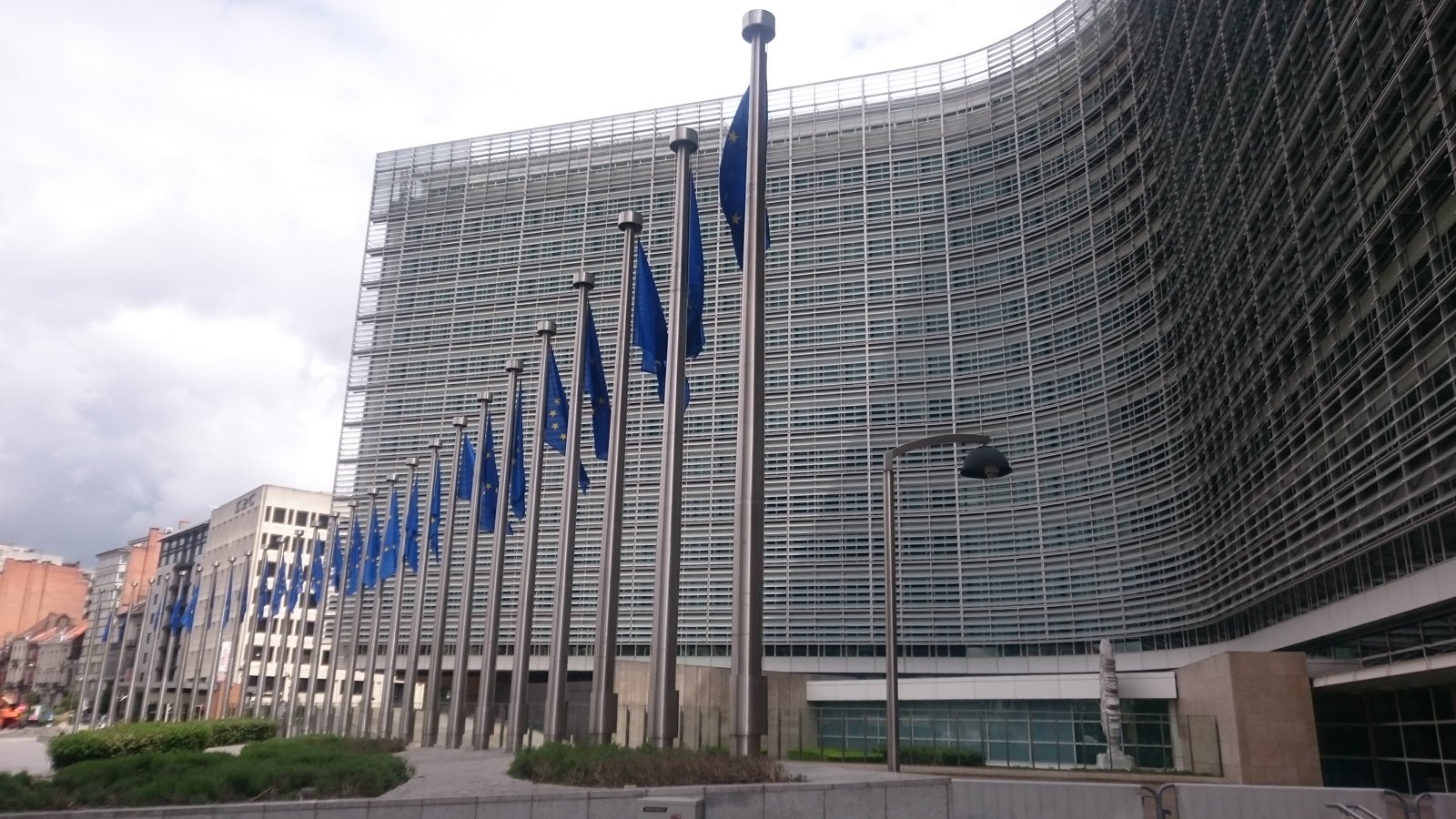
This edition was read across German, French, Italian, Spanish, Dutch and English sources, and it takes its evidence from national releases rather than from any single continental average.
United Kingdom – A Bill Written In May, Paid In July
Two point nine, and up from two point six
British consumer prices rose 2.9% in the year to July, up from 2.6% in June and the highest in four months. The figure matched what economists had forecast.
The largest push came from housing and household services, where the annual rate jumped to 4.6% from 1.2% on the CPI measure. That is one line in a statistical release doing most of the work.
A regulator’s decision, arriving on schedule
The energy regulator raised its household price cap by 13% with effect from July. Gas prices duly rose 14.7%, the sharpest increase since October 2022, and electricity 3.6%.
This was not a surprise and not a market movement. It was an administrative decision announced on 27 May, five weeks before it applied, landing on households exactly when it said it would.
The part the Bank of England will read twice
Core prices, which exclude food and energy, held at 2.6% against a forecast of 2.5%. Transport inflation actually slowed to 3.6% from 5.7%, helped by diesel falling nearly nine pence a litre, and food eased to 1.3%.
So the underlying picture is calmer than the headline and still above target. The Bank’s rate stands at 3.75% against a 2% target, and it next decides on 17 September.
Germany – Confirmed At Two Point Eight
The final figure matched the first one
German harmonised inflation for July was confirmed at 2.8% on 12 August, up from 2.4% in June. Energy drove most of the change in the rate, as it did almost everywhere on the continent.
The German difficulty is that this arrives on top of an economy that grew 0.2% in the second quarter. Berlin cut its own growth expectation for the year to 0.5% back in April.
Prices up, output flat, borrowing still cheap
Germany continues to borrow among the most cheaply in the currency union. It does so while posting the joint-weakest growth among the large economies, level with France and Italy at 0.2%.
That combination is a statement about credibility rather than about performance. Lenders are pricing the institution, not the quarter.
Sweden reported 0.3% and Romania 8.2% for the same month, on the same harmonised measure, inside the same single market — a spread of nearly eight points that no continental average can honestly describe.
France – The Cheapest Prices Among The Big Four
Two point four, and rising more slowly
French inflation was confirmed at 2.4% for July, up from 2.0% in June. That is the lowest of the four largest economies in the currency area.
France has spent this cycle with visibly milder consumer prices than its neighbours. A large regulated electricity supply is a substantial part of the reason.
Mild prices are not the French problem
The French difficulty this year has been budgetary and political rather than monetary. Cheap energy has bought the state very little room elsewhere.
A country can hold the best inflation number in its peer group and still be the most constrained. France is currently demonstrating exactly that.
Spain – Growing Fastest, Paying Most
Three point nine against France’s two point four
Spanish harmonised inflation ran at 3.9% in July, up from 3.6% in June. That is more than a full point above France, in two economies sharing one currency and one central bank.
Spain has also been the fastest-growing of the large economies through this period. The two facts are related rather than contradictory.
One rate, two very different households
A single policy rate that is roughly right for Spanish demand is too tight for German output. A rate right for Germany would be too loose for Spanish prices.
This is the oldest unresolved argument in the currency union. July’s figures put numbers on it again.
Sweden – Nought Point Three, And A Decision Tomorrow
The lowest rate in the union
Sweden recorded 0.3% harmonised inflation in July, though CPIF — the measure the Riksbank actually targets — was 0.7%, the lowest of any member state. Czechia followed at 1.3%, with Denmark and Hungary both at 1.6%.
At the other end sat Romania at 8.2%, Lithuania at 5.4%, and Cyprus and Bulgaria both at 4.4%. Inflation fell in fifteen member states in July, held steady in three and rose in nine.
Which makes Thursday interesting
Sweden sets its policy rate on 20 August from a current 1.75%. Norway, immediately next door and outside both the union and the currency, has been holding at 4.25%.
Two neighbouring economies sit two and a half points apart on borrowing costs. Each is answering its own question rather than a shared one.
What This Means From Latin America
Administered prices are the hidden variable
Most of Britain’s July increase came from a regulator’s decision announced five weeks earlier, not from a market. France’s mildness owes much to how its electricity is priced rather than to demand.
Latin American economies with regulated tariffs and fuel subsidies carry exactly the same mechanism. Where the state sets the price, the inflation calendar is partly a political one.
And one rate never fits everybody
Spain at 3.9% and France at 2.4% share a central bank and get the same decision. Sweden at 0.3% and Romania at 8.2% share a single market and set their own.
Every regional integration project eventually meets this problem. It is worth watching how Europe handles it, because the mechanics travel.
The Bigger Picture
British consumer inflation rose to 2.9% in July from 2.6% in June, a four-month high, driven almost entirely by a 13% increase in the household energy price cap that took effect that month. Gas prices rose 14.7%, the most since October 2022, while core inflation held at 2.6% against a 2.5% forecast.
Final figures published the same day put German inflation at 2.8% and French at 2.4%, with Spain at 3.9% and the Netherlands at 3.0%. Energy contributed nearly a full percentage point across the currency area.
The national range is what the average conceals. Sweden reported 0.3% and Romania 8.2% on the same measure, and Sweden sets its policy rate on 20 August from 1.75% against Norway’s 4.25%.
Europe Intelligence Brief August 19: What We Are Watching
- 20 August – Sweden’s rate decision from 1.75%, with the lowest inflation in the union.
- Coming weeks – Whether British core inflation, stuck at 2.6%, starts to move at all.
- By 26 August – Ofgem’s next British energy price cap, for October to December, which sets the following inflation step.
- 7 September – The next estimate of second-quarter output for the currency area.
- 9 and 10 September – The rate-setting meeting in Berlin, hosted by the Bundesbank.
- Ongoing – Oil prices, though July’s energy step in Britain was an administered price cap and Germany’s largest single driver was the expiry of its fuel discount on 30 June.
Go Deeper
The full Europe Intelligence Dossier — the interactive risk dashboard and the people who matter — is updated daily by the Rio Times Intelligence Desk.
More from the Rio Times Intelligence Desk on August 19: the Africa Intelligence Brief, the Asia Intelligence Brief and the USA & Canada Intelligence Brief. For how these stories developed, see the Europe Intelligence Brief for August 18 and the Europe Intelligence Brief for August 17.
The Big Picture
Europe: The Long Adjustment — how the continent is repricing energy, defence and growth
Background: BRICS Just Got Bigger — Who’s In, Who’s Still Out, and Why It Matters.
Background: Brazil Economic Outlook 2026: Growth, Inflation, and Key Risks.
Frequently Asked Questions
Why did British inflation rise in July 2026?
Consumer prices rose 2.9% in the year to July, up from 2.6% in June, with the largest upward contribution from housing and household services, where the annual rate jumped to 4.6% from 1.2%. The cause was a 13% increase in the energy regulator’s household price cap taking effect that month, which lifted gas prices 14.7%, the most since October 2022, and electricity prices 3.6%.
What was British core inflation in July?
Core inflation, which excludes food and energy, held at 2.6% in July, unchanged from June but above the 2.5% economists had forecast. Transport inflation slowed to 3.6% from 5.7% as diesel fell by close to nine pence a litre, and food inflation eased to 1.3% from 1.7%, leaving the underlying picture calmer than the headline yet still above the Bank of England’s 2% target with its policy rate at 3.75%.
How much do European inflation rates differ?
Eurostat’s final July figures, published on 19 August, recorded the lowest annual rates in Sweden at 0.3%, Czechia at 1.3%, and Denmark and Hungary at 1.6%, against the highest in Romania at 8.2%, Lithuania at 5.4%, and Cyprus and Bulgaria at 4.4%. Among the largest economies, Spain ran at 3.9%, the Netherlands at 3.0%, Germany at 2.8% and France at 2.4%.
What is Sweden deciding on 20 August?
Sweden sets its policy rate on 20 August from a current level of 1.75%, doing so with the lowest harmonised inflation rate of any member state at 0.3%, though its own target measure, CPIF, was 0.7% in July. Norway, immediately next door but outside both the union and the single currency, has been holding its own rate at 4.25%, leaving two neighbouring economies two and a half percentage points apart on borrowing costs.
Sources: Office for National Statistics, Eurostat, FXStreet, Trading Economics
This article was produced by The Rio Times’ automated AI newsroom. Editorial responsibility: Matthias Camenzind, Publisher and Editor-in-Chief. The Rio Times also runs Ask Rio Times, which answers from 100,000+ of our own articles, the daily Latin America Power Map, and prediction-market odds on elections and markets.. How we use AI · Report an error
LatAm Markets: Live Signals → — real-time movers, turnover leaders and FX across Latin America.
Read More from The Rio Times