Dominican Republic FDI Hits Record as Cuba Opens Oil to Foreigners
Caribbean Investment Shift
Key Facts
—Dominican Republic FDI. Inflows reached US$3,276.5 million in the first half of 2026, a 7.7% year-on-year increase.
—Sector Leaders. Energy drew 27.8% of inflows, followed by tourism at 20.1%, and real estate and mining each at 12.4%.
—Cuba’s Reform Package. The National Assembly approved 176 economic reforms in June 2026, opening fuel, oil, mining, and electricity to private and foreign capital.
—End of State Monopoly. Foreign investors no longer need a state partner, and can acquire equity stakes in state-owned energy enterprises.
—Driving Crisis. Severe fuel shortages and U.S. sanctions on Cuba’s state oil firm CUPET forced the government to seek external capital.
Dominican Republic FDI surged to a first-half record of US$3.28 billion in 2026, while Cuba dismantled its state monopoly on oil and gas, inviting private and foreign firms into upstream operations for the first time in decades.
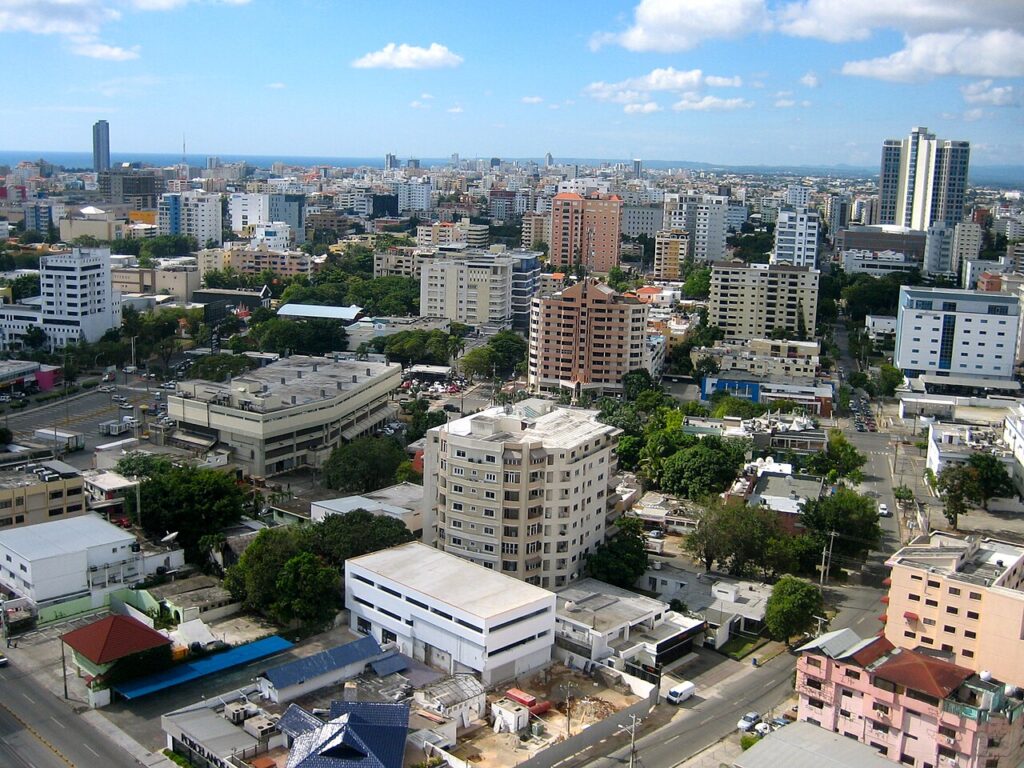
Dominican Republic FDI Breaks Another Record
Foreign direct investment into the Dominican Republic reached US$3,276.5 million between January and June 2026, according to preliminary data from the Central Bank (BCRD). The figure marks a US$233.4 million, or 7.7%, increase over the same period in 2025.
New capital contributions accounted for roughly two-thirds of the total, at US$2,194.6 million. The second quarter alone drew US$1,604.6 million, building on a first quarter that had already risen 6.4% year-on-year to US$1,536.7 million.
Where the Money Is Going
Energy was the top destination for Dominican Republic FDI in the first half, capturing 27.8% of all inflows. Tourism followed at 20.1%, with real estate development and mining each drawing 12.4%.
The pattern extends a multi-year trend. In 2025, the country logged its fourth consecutive annual FDI record at US$5,032.3 million, an 11.3% jump over 2024, with tourism and energy as the leading sectors.
The central bank credited sustained social peace, legal certainty, tax incentives, and modern infrastructure for the continued momentum. Combined foreign-currency income from FDI, remittances, tourism, and exports surpassed US$26.5 billion in the half, roughly US$2.8 billion more than a year earlier, supporting exchange-rate stability.
Cuba Opens Its Oil Sector to Private Capital
In a parallel but sharply different Caribbean story, Cuba’s National Assembly approved 176 economic reforms in mid-June 2026. The package dismantles the state monopoly over fuel importation, marketing, and retail distribution, and explicitly opens oil and mining operations to private and foreign firms.
A July 22 decree, reported internationally on July 29, confirmed that pharmacies, gas stations, electricity generation, and oil and mining operations are now liberalised. Foreign investors are no longer required to partner with state-owned companies and can acquire equity stakes in state enterprises, including energy-related ones.
Sanctions and Crisis Forced Havana’s Hand
The reforms are a direct response to an acute energy emergency. A U.S. “maximum pressure” campaign since early 2026 has included an oil blockade and financial sanctions on CUPET, Cuba’s state oil firm, cutting off critical fuel supplies.
President Miguel Díaz-Canel framed the changes as necessary to confront macroeconomic instability, rampant inflation, and widespread shortages. The government is explicitly emulating elements of China and Vietnam’s economic liberalisation, pairing market mechanisms with continued Communist Party control.
The reforms also allow state companies to use foreign platforms for fuel payments and apply a tax of up to 1% on fuel imports, with reductions for investments in renewable energy. Micro, small, and medium-sized enterprises can now import fuel directly, further decentralising the sector.
What the Dominican Republic FDI Story Means for Investors
The Dominican Republic’s consistent FDI growth reinforces its status as one of Latin America’s most reliable investment destinations. The diversification across energy, tourism, real estate, and mining reduces sector-specific risk.
For expats and international professionals, the inflows underwrite continued infrastructure improvement and property-market buoyancy, particularly in coastal and tourism-linked zones. The central bank’s emphasis on exchange-rate stability also matters for anyone earning or holding pesos.
Cuba’s Opening: Opportunity and Risk
Cuba’s pivot presents a high-risk, high-reward frontier for energy investors. The removal of mandatory state partners and the ability to take equity in state enterprises are structural shifts, not cosmetic adjustments.
However, U.S. sanctions remain the dominant variable. Washington has signalled some flexibility, allowing certain resales of Venezuelan oil to Cuba if they benefit the private sector, and permitting gas and petroleum exports to qualifying private Cuban entities.
Investors must weigh the legal exposure of operating in a sanctions environment against the potential first-mover advantage in a newly opened market. The reforms also explicitly encourage investment from the Cuban diaspora, creating a potential bridge for capital with U.S. ties.
Two Caribbean Paths, One Investment Lesson
The Dominican Republic and Cuba represent opposite poles of Caribbean investment strategy. One offers predictability, institutional continuity, and steady compounding; the other offers a dramatic liberalisation born of desperation.
For portfolio allocators and direct investors, the contrast sharpens the risk-reward calculus across the region. The Dominican Republic’s record Dominican Republic FDI run is a story of stability rewarded; Cuba’s opening is a bet on whether crisis-driven reform can survive political and geopolitical headwinds.
More: Latin America news in English, every day from The Rio Times.
Frequently Asked Questions
How much foreign direct investment did the Dominican Republic receive in the first half of 2026?
The Dominican Republic received US$3,276.5 million in FDI from January to June 2026, a 7.7% increase over the same period in 2025. New capital contributions made up roughly two-thirds of the total, at US$2,194.6 million.
What sectors attracted the most Dominican Republic FDI in 2026?
Energy led with 27.8% of first-half inflows, followed by tourism at 20.1%. Real estate development and mining each accounted for 12.4%, with the remainder spread across commerce, free zones, and financial services.
Can foreign companies now invest in Cuba’s oil and gas sector?
Yes. Cuba’s mid-2026 reform package opens fuel importation, marketing, retail distribution, and oil and mining operations to private and foreign capital. Foreign investors no longer need a state partner and can acquire equity in state-owned energy enterprises, though U.S. sanctions remain a major constraint.
This article was produced by The Rio Times’ automated newsroom system. How we use AI · Report an error
LatAm Markets: Live Signals → — real-time movers, turnover leaders and FX across Latin America.
Read More from The Rio Times