Côte d’Ivoire Investment Agency Pushes to Turn Announcements into Real Projects
Côte d’Ivoire · INVESTMENT
Key Facts
- —What happened The Centre for Investment Promotion in Côte d’Ivoire approved 812.67 billion CFA francs (about US$1.45 billion) in private investment in 2025, up 9.6 percent from 741.46 billion CFA francs (about US$1.32 billion) in 2024.
- —The gap Under the 2021-2025 National Development Plan, only 4.242 trillion CFA francs (about US$7.6 billion) of private investment was actually mobilised, equal to 66 percent of the 6.4 trillion CFA-franc target (about US$11.4 billion).
- —The numbers CEPICI approved 154 projects and helped create 26,948 new companies through its one-stop shop in 2025.
- —Who invests In 2023, 49 percent of invested funds came from Côte d’Ivoire and 51 percent from abroad, led by Burkina Faso at 11 percent and Turkey at 7 percent.
- —What comes next The 2026-2030 plan targets 114,838.5 billion CFA francs (about US$205 billion) in total investment, with 70.2 percent expected from the private sector.
Côte d’Ivoire’s Centre for Investment Promotion, known as CEPICI, is shifting its focus from announcing approved projects to getting money actually deployed on the ground. The agency approved 812.67 billion CFA francs (about US$1.45 billion) in private investment in 2025, but its own data shows a stubborn gap between approval and realisation. Weeks ago, a CEPICI mission to Shanghai opened talks with China’s Xinyi Glass over a US$150 million automotive glass plant, the Chinese group’s first in Africa.
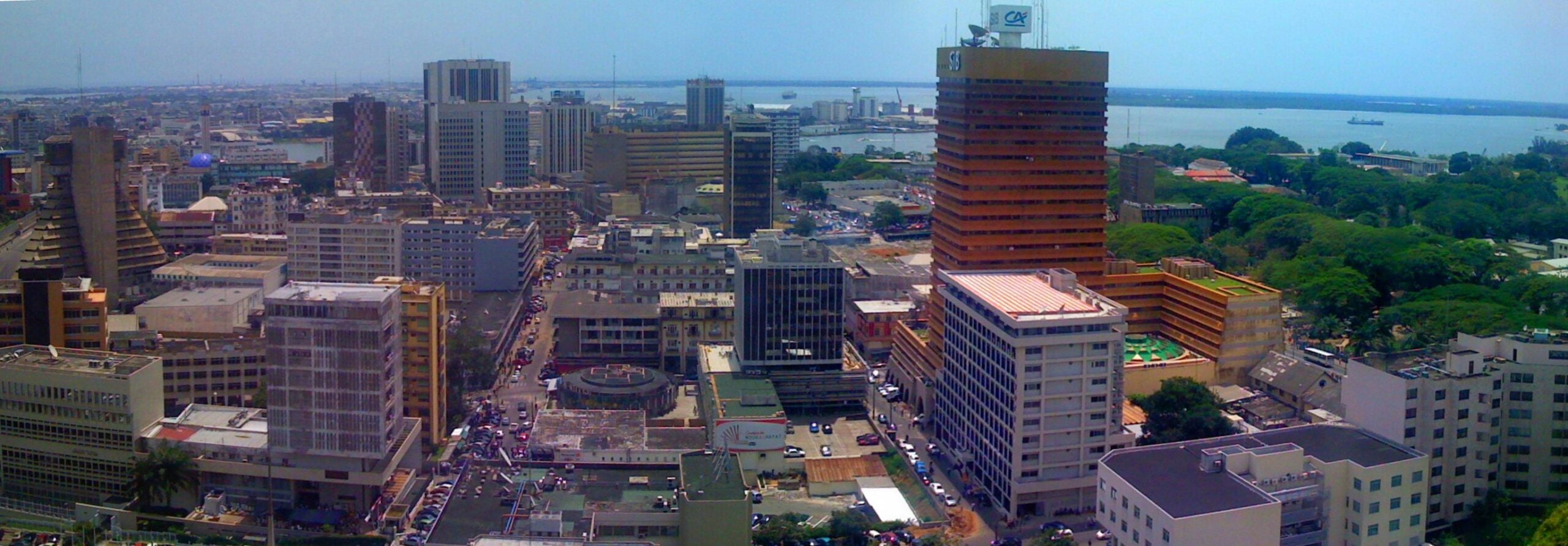
The Centre for Investment Promotion in Côte d’Ivoire wants to move from announced investment to realised investment. Its 2025 annual review shows approved private investment rose to 812.67 billion CFA francs, yet cumulative mobilisation under the outgoing development plan reached only 66 percent of target.
The approval gap that CEPICI investment realisation must close
CEPICI approved 812.67 billion CFA francs (about US$1.45 billion) in private investment in 2025, a 9.6 percent increase from 741.46 billion CFA francs (about US$1.32 billion) in 2024. The agency also approved 154 projects and helped create 26,948 new companies through its one-stop shop.
But approval is not the same as deployment. Under the 2021-2025 National Development Plan, CEPICI said cumulative private investment mobilised reached 4.242 trillion CFA francs (about US$7.6 billion).
That figure equals 66 percent of the 6.4 trillion CFA-franc target (about US$11.4 billion) set for the period. The shortfall is the core problem CEPICI now wants to address.
A much bigger ambition for 2026 to 2030
The next plan is far larger. Côte d’Ivoire’s 2026-2030 National Development Plan sets total investment needs at 114,838.5 billion CFA francs (about US$205 billion).
Of that, 70.2 percent is expected to come from the private sector. That puts enormous pressure on CEPICI to convert interest into financed, built assets.
The government’s challenge is to turn memoranda, expressions of interest and approved projects into bankable ventures. Without that shift, the headline approval numbers will keep outpacing actual economic impact.
Where the money comes from
A CEPICI strategy document shows that in 2023, 49 percent of invested funds came from Côte d’Ivoire itself. The remaining 51 percent came from abroad.
Burkina Faso led external investors at 11 percent, followed by Turkey at 7 percent. China and France also featured among the main sources.
Côte d’Ivoire’s foreign direct investment inflows were about 1.7 billion US dollars in 2024, up from 1.58 billion US dollars in 2023. Major investors included Burkina Faso, Turkey, China, France and Togo, with rising interest from the United Arab Emirates and Gulf states.
A regional contest for capital and influence
Côte d’Ivoire sits in the middle of a wider competition over infrastructure, trade and influence in West Africa. China is the dominant external commercial player in much of the region.
France remains a major investor and historical power broker. The United Arab Emirates and other Gulf states are also showing growing interest.
This multi-polar scramble for access and assets mirrors patterns seen across the continent. For more on that wider contest, see Africa: The New Scramble.
What CEPICI must do next
CEPICI’s stated priority is clear: move from announced investment to realised investment. The agency’s own figures make the case for urgency.
The newest example of that push came in early September 2026. A CEPICI delegation led by director-general Solange Amichia held talks in Shanghai with Xinyi Glass Group over a US$150 million plant to make vehicle windshields and mirrors in Côte d’Ivoire. A feasibility study is planned for October 2026. If it goes ahead, it would be Xinyi’s first factory in Africa.
Approved investment grew in 2025, but the 2021-2025 plan closed with a 34 percent shortfall in mobilised private capital. The 2026-2030 plan raises the stakes dramatically.
Investors and analysts will watch whether CEPICI can improve its conversion rate. The test will be measured in built factories, operating infrastructure and jobs, not just approval certificates.
Why this matters for global investors
For international investors, Côte d’Ivoire offers a fast-growing economy and a government actively courting private capital. The country’s FDI inflows rose from 1.58 billion US dollars in 2023 to about 1.7 billion US dollars in 2024.
But the gap between approval and realisation is a signal to watch. It suggests that regulatory approval is easier to obtain than financing, land, permits or execution.
CEPICI’s push to close that gap could make Côte d’Ivoire a more reliable destination for patient capital. The next two years will show whether the agency can deliver.
Frequently Asked Questions
What is CEPICI in Côte d’Ivoire?
CEPICI is the Centre for Investment Promotion in Côte d’Ivoire, the state agency that approves private investment projects and runs the one-stop shop for company creation.
How much private investment did CEPICI approve in 2025?
CEPICI approved 812.67 billion CFA francs (about US$1.45 billion) in private investment in 2025, up 9.6 percent from 741.46 billion CFA francs (about US$1.32 billion) in 2024.
What is the gap between announced and realised investment in Côte d’Ivoire?
Under the 2021-2025 National Development Plan, only 4.242 trillion CFA francs (about US$7.6 billion) of private investment was mobilised, equal to 66 percent of the 6.4 trillion CFA-franc target (about US$11.4 billion).
Connected Coverage
Sources
This article was produced by The Rio Times’ automated newsroom system. How we use AI · Report an error
LatAm Markets: Live Signals → — real-time movers, turnover leaders and FX across Latin America.
Read More from The Rio Times