Dominican Republic Expels Nine Cuban Diplomats, and Havana Blames US Pressure
Dominican Republic · Politics
Key Facts
- —The order On Thursday, August 13, 2026, the Dominican foreign ministry asked nine members of Cuba’s diplomatic mission, plus their families, to leave.
- —The deadline The ministry gave them seven days to depart, and pointedly declined to explain why.
- —The disputed count Santo Domingo said nine officials; Havana insists the real number is ten, and neither side has explained the gap.
- —Cuba’s charge Its foreign ministry called the expulsion an act of ‘submission to pressure from the U.S. government.’
- —The backdrop US Secretary of State Marco Rubio has spent 2026 tightening sanctions on Cuba, vowing there are ‘no escape valves.’
Santo Domingo gave no public reason for the move. Which lands squarely inside a widening US campaign to squeeze Cuba across the region.
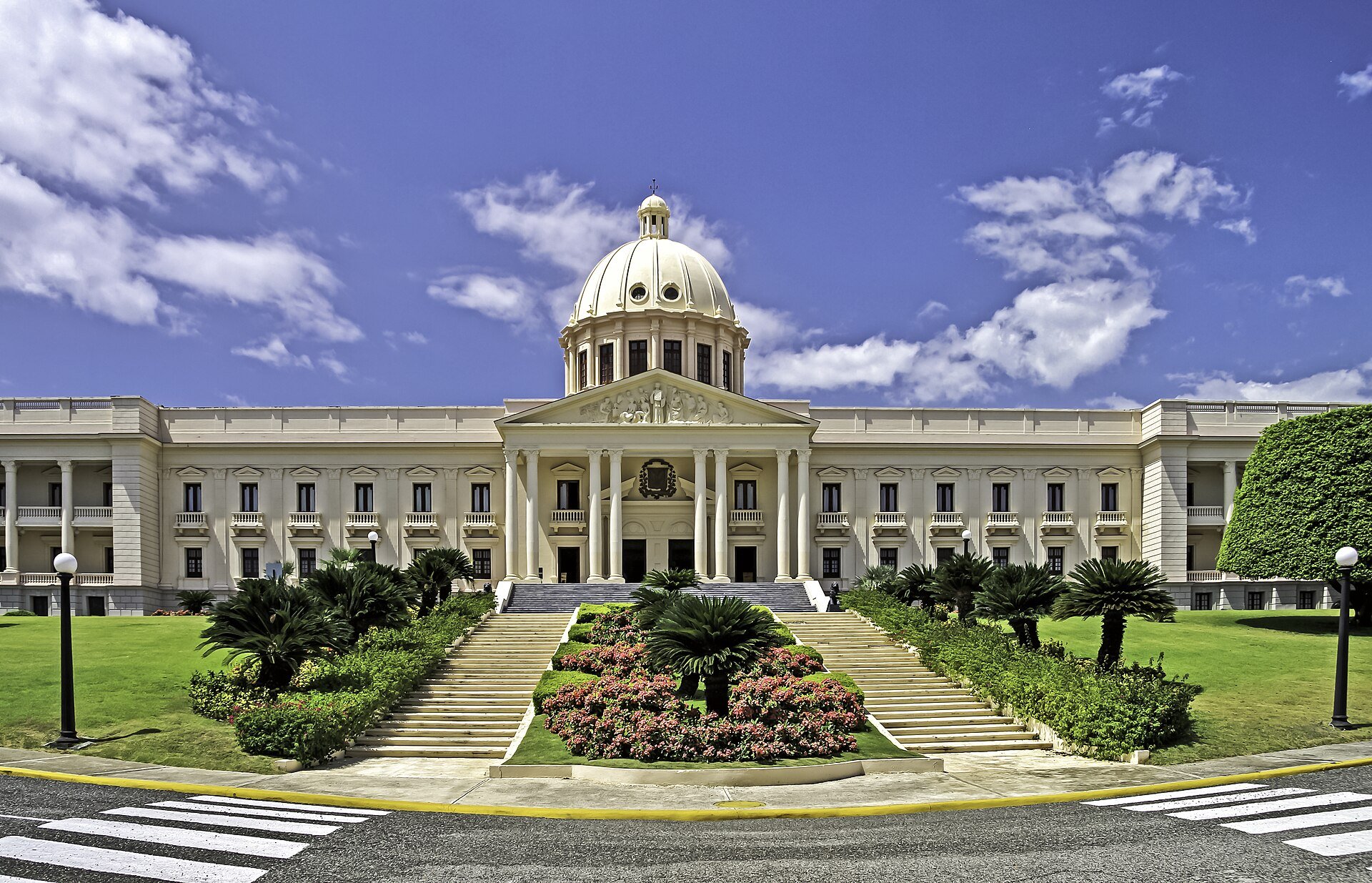
The Dominican Republic has told nine Cuban diplomats to pack up and go, and it will not say why. On Thursday, August 13, 2026, its foreign ministry gave the officials and their families seven days to leave the country.
Cuba, for its part, wasted no time framing the move as a favor to Washington.
What the Dominican Republic just did
On August 13, 2026. The Dominican foreign ministry announced it had asked Cuba to withdraw nine members of its embassy in Santo Domingo.
Their relatives were told to leave as well, all within seven days. The statement was strikingly brief.
Because the matter touched on diplomatic communications, the ministry said, it would offer no further detail and name no one.
The number both sides dispute
Here is the first oddity. Santo Domingo put the figure at nine, while Havana countered that ten of its officials were being pushed out.
Neither government has explained the one-person gap. Still, wire services from Reuters to AFP reported the Dominican count of nine, so that is the figure on the official note.
Why no reason was given
The Dominican Republic leaned on international law rather than on any accusation. It cited the Vienna Convention on Diplomatic Relations, and specifically Article 9.
Which lets a host country ask a diplomat to leave without stating a cause. Foreign Minister Roberto Alvarez later confirmed the expulsion and stressed it was handled with discretion.
As a result, the public was left with the action but not the motive.
How Cuba answered
Havana’s reply was fast and pointed. Its foreign ministry said there was ‘no other explanation for this action than the Dominican Republic government’s submission to pressure from the U.S. government.
Foreign Minister Bruno Rodriguez echoed that line, calling the decision hostile and part of a broader effort to isolate the island. In short, Cuba turned a quiet diplomatic note into a public accusation against Washington.
The US pressure campaign in the background
Cuba’s framing did not come from nowhere. Throughout 2026, the United States has tightened the screws on Havana, from tourism and banking to the officials who run key ministries.
Secretary of State Marco Rubio has led that push. In early August he told Axios there were ‘no escape valves’ for Cuba.
Warning the pressure would not fade ‘for the next 2 and a half years.
What Washington has, and has not, said
Here is the important caveat. No public evidence shows that the State Department, or Rubio personally, ordered this specific expulsion.
So the US-pressure link is Cuba’s interpretation, not a documented instruction. Yet it fits a pattern, because Washington has openly courted regional governments to keep Cuba at arm’s length.
Why the Dominican Republic and Cuba are entangled
The two Caribbean neighbors share deep ties in trade, travel and, for years, Cuban medical staff working abroad. That last thread matters, since US sanctions in 2026 have targeted Cuba’s overseas doctor programs directly.
For Santo Domingo, the calculus is delicate. Because its economy leans heavily on US tourism and investment, staying on good terms with Washington carries real weight.
A quiet break, not a full rupture
Despite the sharp words, this is not a severing of relations. Alvarez signaled the move was aimed at specific individuals, not at the Cuban state as a whole.
Embassies on both sides remain open for now. Even so, expelling nine or ten diplomats at once is a serious jolt to a relationship that has stayed cordial for decades.
What happens next for the Dominican Republic
The immediate clock is the seven-day window for the diplomats to leave. After that, attention turns to whether Havana retaliates in kind against Dominican staff on the island.
The bigger question is regional. If other governments feel similar pressure, Cuba could find its diplomatic footprint shrinking across Latin America, one expulsion at a time.
More: Latin America news in English, every day from The Rio Times.
Frequently Asked Questions
How many Cuban diplomats did the Dominican Republic expel?
The Dominican foreign ministry said nine members of Cuba’s mission were asked to leave, with seven days to do so. Cuba disputes the count and says ten officials were affected.
Why did the Dominican Republic expel the Cuban diplomats?
Officially, no reason was given. Santo Domingo cited the Vienna Convention, Article 9, which allows a host state to request a diplomat’s withdrawal without explaining the cause.
What did Cuba say in response?
Cuba’s foreign ministry called the move ‘submission to pressure from the U.S. government,’ and Foreign Minister Bruno Rodriguez described it as hostile and part of a US effort to isolate the island.
Is the United States behind the expulsion?
There is no public proof that Washington ordered it. The US-pressure claim is Cuba’s interpretation, though it fits a 2026 sanctions campaign led by Secretary of State Marco Rubio.
Connected Coverage
Sources: Reuters; AFP; UPI; 14ymedio; Deutsche Welle; CGTN.
This article was produced by The Rio Times’ automated newsroom system. How we use AI · Report an error
Read More from The Rio Times