DOJ Working Group Examines Alleged Government Misconduct in the U.S. Under Biden
A senior U.S. Justice Department official outlined new investigations into alleged political abuses by federal agencies during a television interview yesterday.
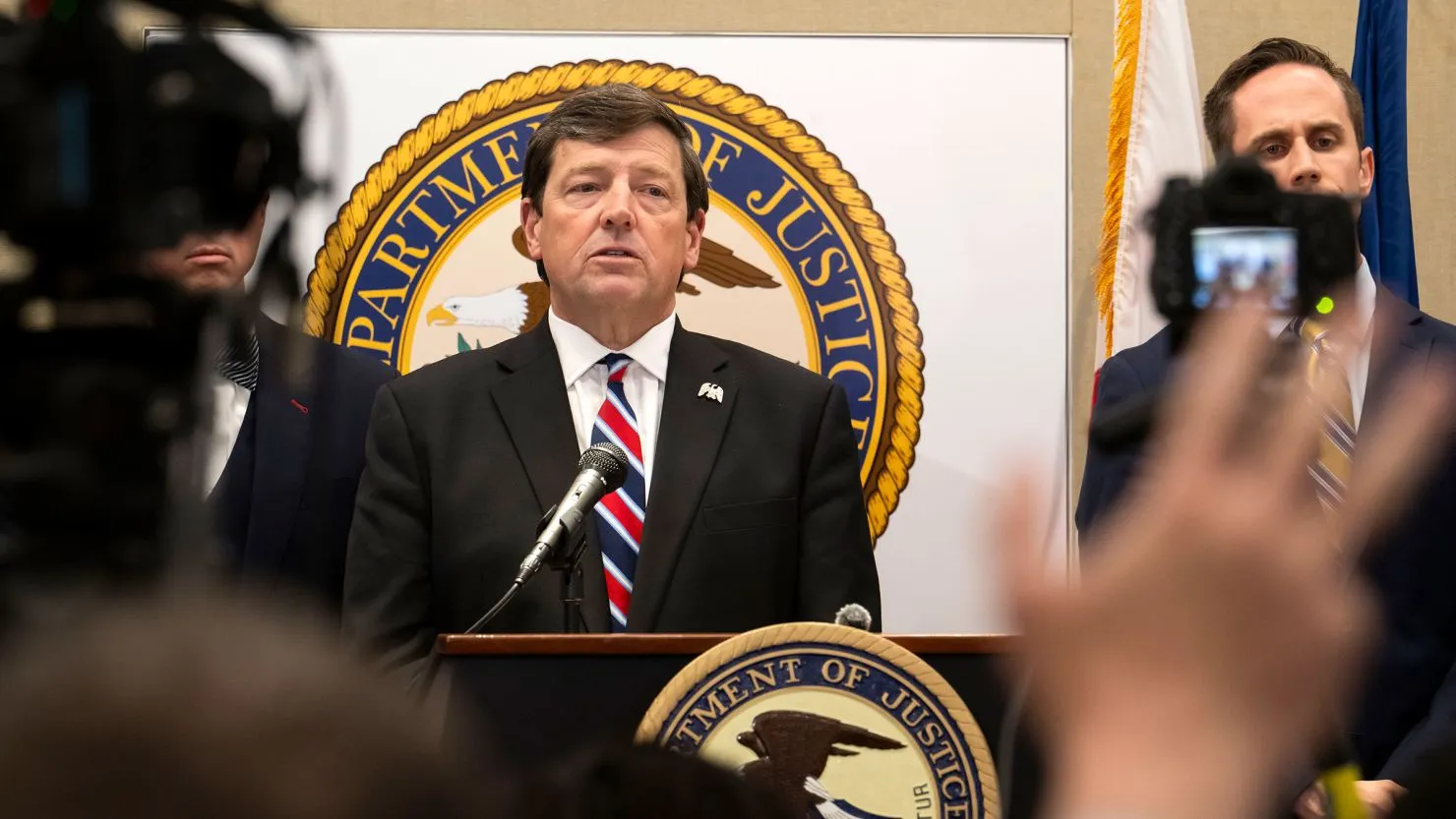
Ed Martin, director of the DOJ’s Weaponization Working Group, said the unit is reviewing claims of partisan actions against political opponents and ordinary citizens during President Joe Biden’s term.
The group was established in February 2025 by Attorney General Pam Bondi following Donald Trump’s return to the presidency.
Martin said inquiries focus on surveillance, audits, and prosecutions that critics argue targeted Trump supporters, parents at school board meetings, and religious groups.
He cited whistleblower allegations involving Senator Adam Schiff, who reportedly approved classified leaks to damage Trump during his first administration. Related documents were declassified by former FBI official Kash Patel and referred to the DOJ.
The group is also examining events tied to the 2016 election and the Russia investigation, which Martin linked to an Obama-era meeting in December 2016.
He claimed these actions shaped later disputes, including Trump’s impeachments and the 2020 suppression of Hunter Biden laptop reports.
Investigations extend to financial matters, including a referral involving New York Attorney General Letitia James over alleged mortgage fraud. Martin noted parallels between those claims and James’s prior prosecutions of Trump’s business dealings.
Other areas under review include federal handling of the January 6, 2021 Capitol riot, potential destruction of committee records, and treatment of detainees.
Martin also raised questions about Biden’s late-term pardons, citing the possible use of mechanical signatures without direct approval.
According to Martin, the working group’s mission is to restore public trust in government by disclosing findings and pursuing referrals where warranted.
He argued that unresolved allegations of misconduct continue to erode institutional credibility, with potential effects on governance and markets.
This article was produced by The Rio Times’ automated newsroom system. How we use AI · Report an error · Editorial responsibility: Matthias Camenzind, Editor-in-Chief