Workers in the U.S. Better Off as Wages Rise and Cars Become Affordable, With Tariff Burden on Automakers
For the second consecutive month, buying a new car in the United States became slightly easier. According to Cox Automotive, affordability in July improved as car prices and loan rates eased.
The number of weeks of median income needed to purchase a new vehicle fell from 37 in June to 36.8 in July. Monthly payments averaged $748, down 0.4% from June and the lowest since March, though still well below the peak of $795 in December 2022.
Average auto loan rates held at 9.63% in July, 108 basis points lower than a year ago. Vehicle prices dipped 0.1% last month, while manufacturer suggested retail prices (MSRPs) declined 0.3% from June but remain 2.4% higher year over year.
Wages also supported affordability: Bureau of Labor Statistics data showed real average hourly earnings up 1.2% annually and 0.1% from June, while overall income growth reached 3.4% year over year.
Cox analysts credited higher incentives, lower prices, and rising incomes for these gains, noting that wealthier households, benefiting from strong stock markets and wage growth since the pandemic, drove much of the demand.
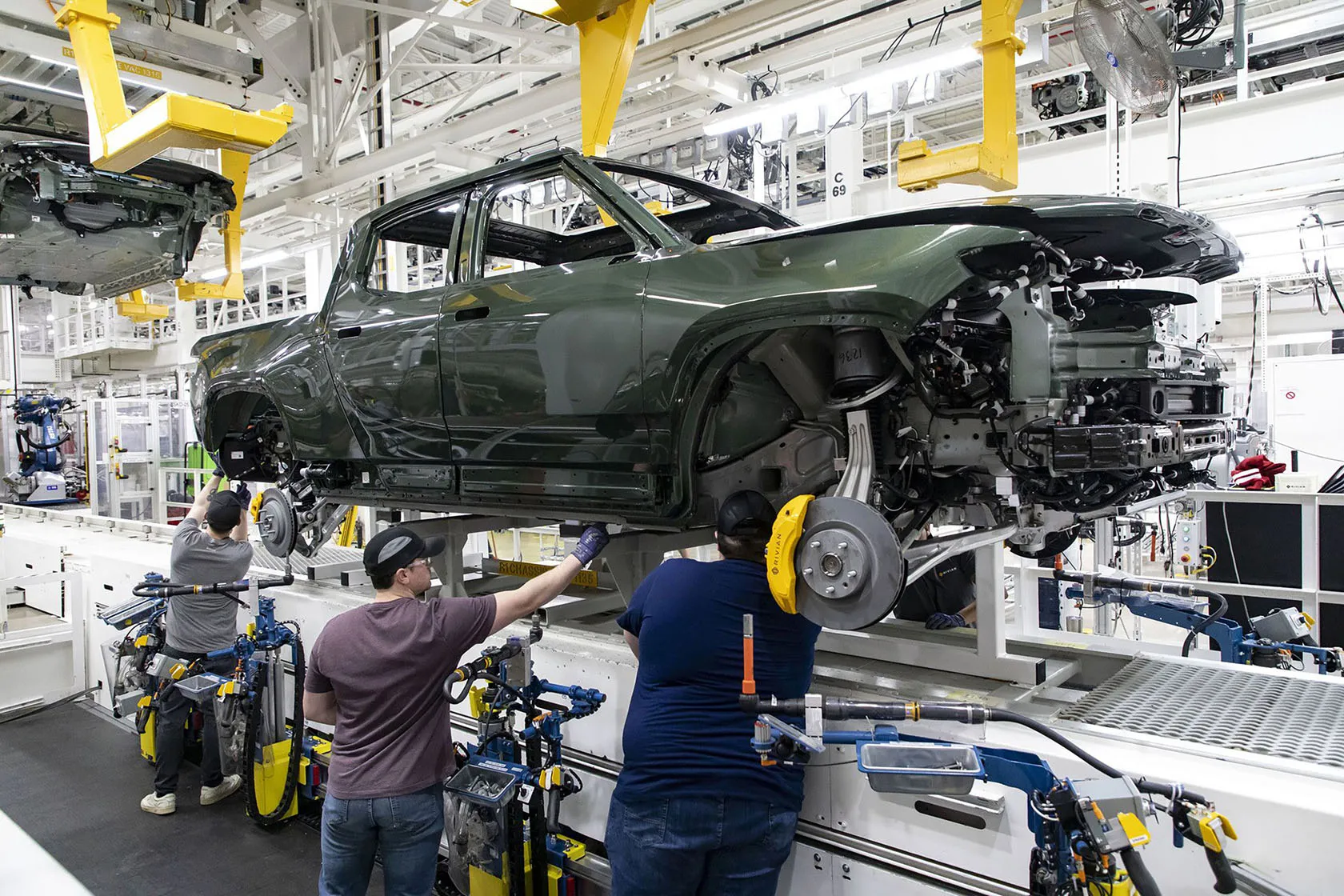
At the same time, U.S. tariffs on vehicles and auto parts, introduced earlier this year, have significantly raised costs for manufacturers.
Auto Tariffs Raise Costs Amid Strong U.S. Sales
The Trump administration set 25% tariffs on car imports in April, followed by the same rate on auto parts in May, with exemptions under the U.S.–Mexico–Canada Agreement to preserve supply chains.
Toyota has forecast $9.5 billion in extra costs this year, while Ford expects $3 billion in impacts and General Motors up to $5 billion. Despite these challenges, automakers are expanding U.S. operations. Hyundai plans to invest $21 billion by 2028.
Honda has shifted Civic hybrid production to Indiana. GM announced $888 million for its Buffalo propulsion plant, along with $4 billion in additional U.S. investments.
Sales remained robust, with July volumes hitting 1.33 million units, up from 1.25 million in June, supported by incentives and pent-up demand.
This article was produced by The Rio Times’ automated newsroom system. How we use AI · Report an error · Editorial responsibility: Matthias Camenzind, Editor-in-Chief