U.S. Antitrust Push Targets Google’s Core as DOJ Seeks to Break Search Monopoly
The U.S. Department of Justice (DOJ), backed by a coalition of state attorneys general, has launched a sweeping challenge to Google’s dominance in online search, as reported by Reuters and confirmed by court documents.
The DOJ argues that Google’s business practices, including multi-billion-dollar payments to device makers like Apple and Samsung, have locked out competition and entrenched its position as the default search engine for most internet users.
The case, now in its remedies phase, follows a federal judge’s ruling that Google held an illegal monopoly in search by paying $20 billion in 2022 alone to secure default status on Apple’s Safari browser.
The DOJ contends that these exclusive agreements freeze the search ecosystem, making it nearly impossible for rivals to compete, especially as search technology merges with generative AI.
Chrome, Google’s browser, accounts for 35% of all Google search queries and generates billions in revenue, further cementing the company’s market power.
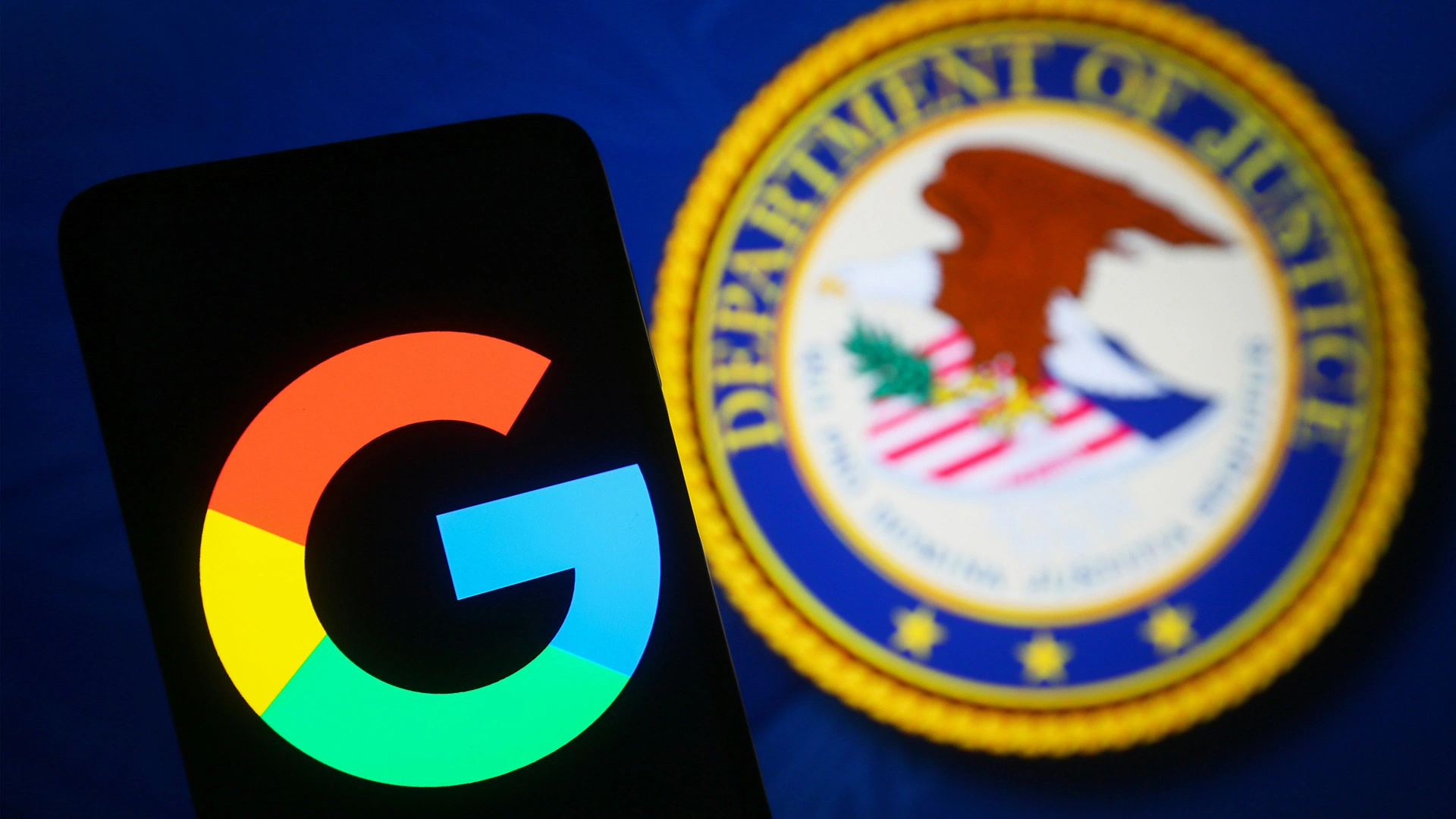
Prosecutors now seek remedies that would force Google to divest Chrome and potentially spin off its Android operating system if competition does not improve within five years.
DOJ Targets Google’s Search Dominance
The government also wants Google to end all exclusive default search agreements, share search data with competitors, and increase transparency for advertisers.
These measures aim to open the market and give new entrants a fair chance, particularly as AI-driven search becomes more central to how people find information.
Google’s legal team rejects the DOJ’s proposals as unnecessary and harmful, arguing that users choose Google for its quality, not because of lack of choice.
The company claims that ending default payments would raise costs for device makers and threaten the viability of companies like Mozilla, which rely on Google’s payments for revenue.
Google has stated it will appeal any ruling that forces a breakup or major changes to its business model. The court’s decision, expected by summer, could reshape the online search and advertising landscape.
If the DOJ prevails, the ruling would mark the most significant government intervention in the tech sector since the breakups of AT&T and Standard Oil, with direct consequences for digital advertising, AI development, and the future of internet competition.
This article was produced by The Rio Times’ automated newsroom system. How we use AI · Report an error · Editorial responsibility: Matthias Camenzind, Editor-in-Chief