The Plea Deal Behind Brazil’s Judicial Crisis Is About a Film
BRAZIL · BANCO MASTER
Key Facts
- —The deal Justice André Mendonça homologated the plea agreement of businessman Antonio Carlos Freixo Júnior, known as Mineiro.
- —Who he is Head of Grupo Entre and the payments processor Entrepay. Mineiro is a reference to his home state of Minas Gerais.
- —The money Seven bank transfers through 2025 totalling US$12.3 million to a United States entity called Havengate.
- —What it paid for Dark Horse, a biographical film about Jair Bolsonaro, allegedly at the request of Daniel Vorcaro.
- —Not a fund Havengate is the vehicle the money moved through. Dark Horse is the film. Early coverage blurred the two.
- —The open question Investigators are examining whether the money covered only film production or also expenses abroad for Eduardo Bolsonaro.
Live tonight
Brazil’s runoff, live
The official TSE count for Flávio Bolsonaro and Lula, updated every minute (voting closed at 7 p.m. Brasília, 6 p.m. ET).
Brazil runoff polls · Polymarket and Kalshi odds · When results come · Brazil election poll data (CSV)
Prediction markets · who wins the runoff
Implied chance of winning Brazil’s presidency on 25 October, from traders’ prices.
Polymarket
Flávio Bolsonaro – · Lula – (US$249 million traded)
Kalshi (regulated in the US by the CFTC)
Flávio Bolsonaro 0.4% · Lula 99.6%
As of 25 October, 11:40 pm ET (03:40 Lisbon), updated every 20 minutes. Prices are bets, not polls, and can move fast.
Why we show this: prediction markets turn real-money bets into a live probability that moves within minutes of the news, which is why investors, campaigns and newsrooms in the United States now follow them closely. We show them next to polls and official results, never instead of them.
A plea deal about a payments processor, a US$12.3 million wire trail and a film nobody has seen is now the document underneath Brazil’s judicial crisis.
The trigger for a week that has produced three emergency Supreme Court decisions is a colaboração premiada homologated by Justice André Mendonça, and its subject is a biopic.
Who Mineiro Is
Antonio Carlos Freixo Júnior heads Grupo Entre and its payments processor, Entrepay. His nickname, Mineiro, marks him as a native of Minas Gerais. It is not, as some machine-translated summaries have rendered it, a description of nationality.
His plea agreement was homologated by Mendonça. The material it contains is what set the rest of the week in motion.
The Transfers
Freixo Júnior describes seven bank transfers over the course of 2025, totalling US$12.3 million, to a United States entity called Havengate.
The money, according to his account, financed Dark Horse, a cinematic biography of Jair Bolsonaro, and it moved at the request of Daniel Vorcaro, the controller of Banco Master.
The distinction between the two names has been repeatedly garbled in coverage. Havengate is the American vehicle. Dark Horse is the project the money was said to be for. Descriptions of Dark Horse as an investment fund are wrong.
Investigators are reportedly still working out whether the sums went only to film production or also covered expenses for Eduardo Bolsonaro during his time in the United States. That question is open and no conclusion has been reported.

Why This Reached the Court
Banco Master was liquidated in November 2025. Vorcaro has since been the subject of multiple lines of investigation, including a CVM penalty and a separate federal police examination of central bank supervision.
The plea material fed into Petição 16.662, the file containing federal police reports on alleged contacts between Vorcaro and Justice Alexandre de Moraes. That file goes to the full Supreme Court on 15 September.
The sequence matters. A homologated plea deal is not proof of anything against anyone it names. It is a statement by a cooperating witness, given in exchange for sentencing benefits, which becomes usable only to the extent it is corroborated.
What Is Not Established
That the film exists in any completed form. That the money reached the purposes described. That anyone named by the collaborator committed an offence.
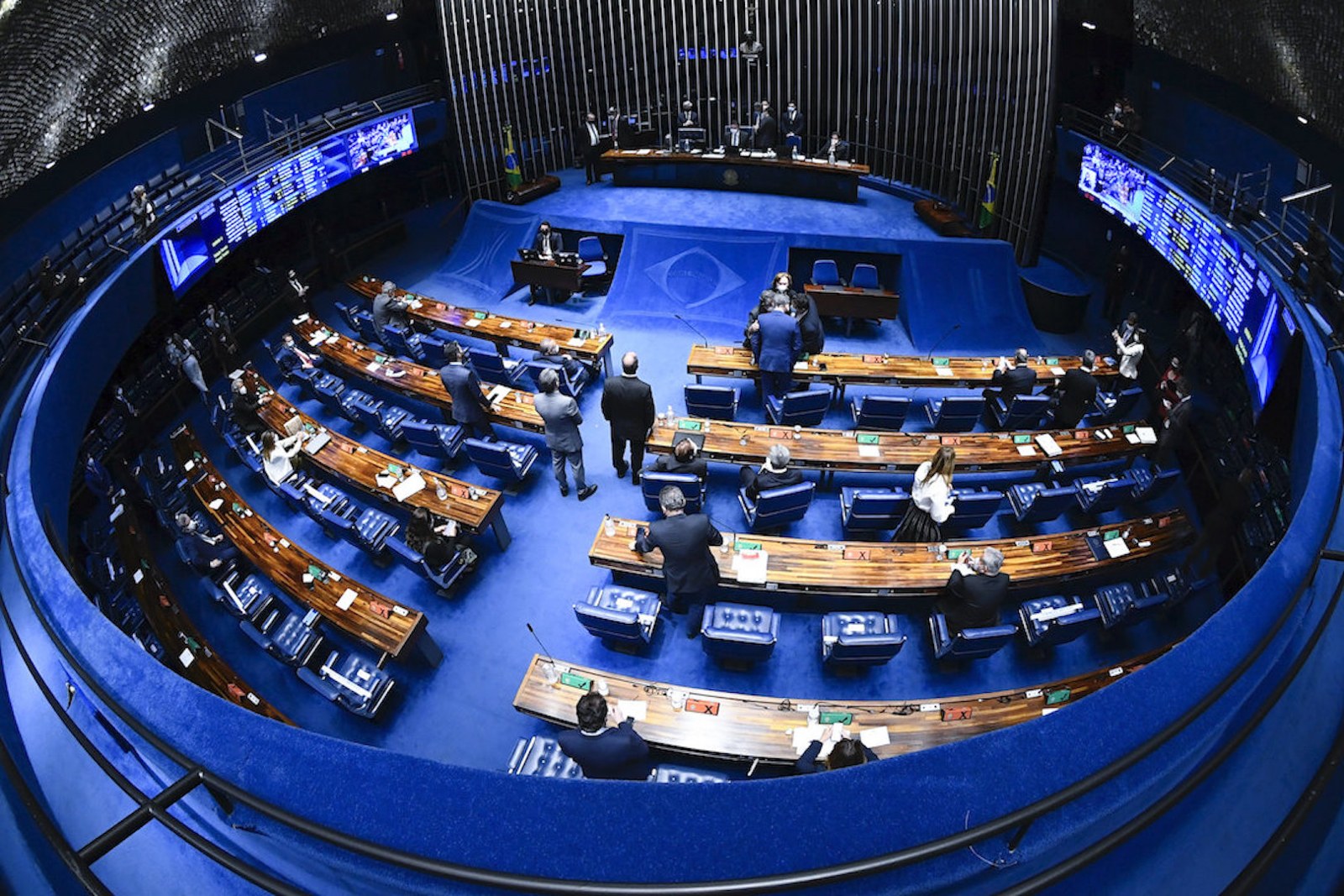
What is established is that a justice homologated the agreement, that the material entered the court’s files, and that within days the chief justice had suspended two colleagues’ orders, removed a third from a long-running inquiry and called an extraordinary session.
For a document whose ostensible subject is a movie, that is an unusual amount of institutional consequence.
What a Colaboração Premiada Is
The instrument entered Brazilian practice at scale during Operation Car Wash. A person under investigation agrees to describe what they know and to supply corroborating material, in exchange for reduced sentencing.
The agreement must be homologated by a judge, who checks that it was entered voluntarily and that it is legally regular. Homologation is not a finding that the content is true.
The law is explicit on this point. A conviction cannot rest on a collaborator’s statement alone. It requires independent corroboration, and the collaborator loses the benefits if the statements prove false.
That structure exists because the incentives are obvious. A person facing prison who is rewarded for naming others has every reason to name as many as possible, and Brazilian courts have spent a decade learning what that produces.
What Entrepay Does
Freixo Júnior’s Grupo Entre operates in payment processing, an industry that sits at the junction of retail commerce and the banking system and moves large volumes on thin margins.
Payment processors are recurring figures in Brazilian financial investigations for a structural reason. They handle transaction flow at scale, they hold regulatory registrations that permit money movement, and their books contain the record of who paid whom.
That makes their principals valuable collaborators. It also makes them exposed, because the same visibility that lets them describe a flow means their own compliance is on the record.
The Corroboration That Would Matter
Seven transfers to a named United States entity is a checkable claim. Bank records exist on both sides, and the sums are large enough to have generated reporting obligations in the United States.
Whether Havengate spent the money on a film is also checkable, through production filings, contracts and payment records. Films leave paper.
Where the claim becomes harder is intent: whether the transfers were made at Vorcaro’s direction, and whether anyone treated them as something other than film finance. That rests on testimony and on communications rather than on ledgers.
The open question investigators are reported to be examining, whether the funds covered only production or also expenses abroad for Eduardo Bolsonaro, is exactly the kind of question that ledgers alone do not settle.
None of it has been established. What has been established is that the material was homologated, entered the court’s files, and was followed within days by the most significant institutional intervention the Supreme Court has made in years.
More: Brazil news in English, every day from The Rio Times.
Frequently Asked Questions
What is Dark Horse?
According to the plea agreement, a biographical film about Jair Bolsonaro. It is not an investment fund, despite early reporting that described it that way.
Who is Mineiro?
Antonio Carlos Freixo Júnior, head of Grupo Entre and the payments processor Entrepay. The nickname refers to Minas Gerais.
How much money is involved?
Seven transfers through 2025 totalling US$12.3 million, sent to a United States entity called Havengate.
Does the plea deal prove anything?
No. A homologated colaboração premiada is a cooperating witness’s account given for sentencing benefits. It becomes evidence only to the extent it is corroborated.
What happens next?
The related file, Petição 16.662, goes before the full Supreme Court on 15 September.
Sources: CNN Brasil, Jornal Opção, Poder360, Gazeta do Povo.
This article was drafted with automated assistance and reviewed before publication. How we use AI · Report an error · Editorial responsibility: Matthias Camenzind, Editor-in-Chief