Cosan Narrows Q2 Loss as Deleveraging Drive Takes Hold
Brazilian Conglomerates
Key Facts
—Net loss. Cosan posted a R$946 million (US$186 million) net loss, R$719 million narrower than a year earlier.
—Gross debt. Gross debt fell to R$21.5 billion (US$4.2 billion), helped by liability-management actions over twelve months.
—Net debt. Net debt held steady at R$17.5 billion (US$3.4 billion) during the quarter.
—Drivers. The improvement reflected non-recurring effects in the year-ago period, including tax credits at Raízen and Vale divestment impacts.
—Strategy. Cosan said deleveraging remains the priority, with asset sales and capital-market actions used exclusively to cut leverage.
Brazil’s Cosan narrowed its second-quarter net loss to R$946 million as a disciplined deleveraging drive reshaped the conglomerate’s balance sheet, offering investors a clearer view of a leaner group.
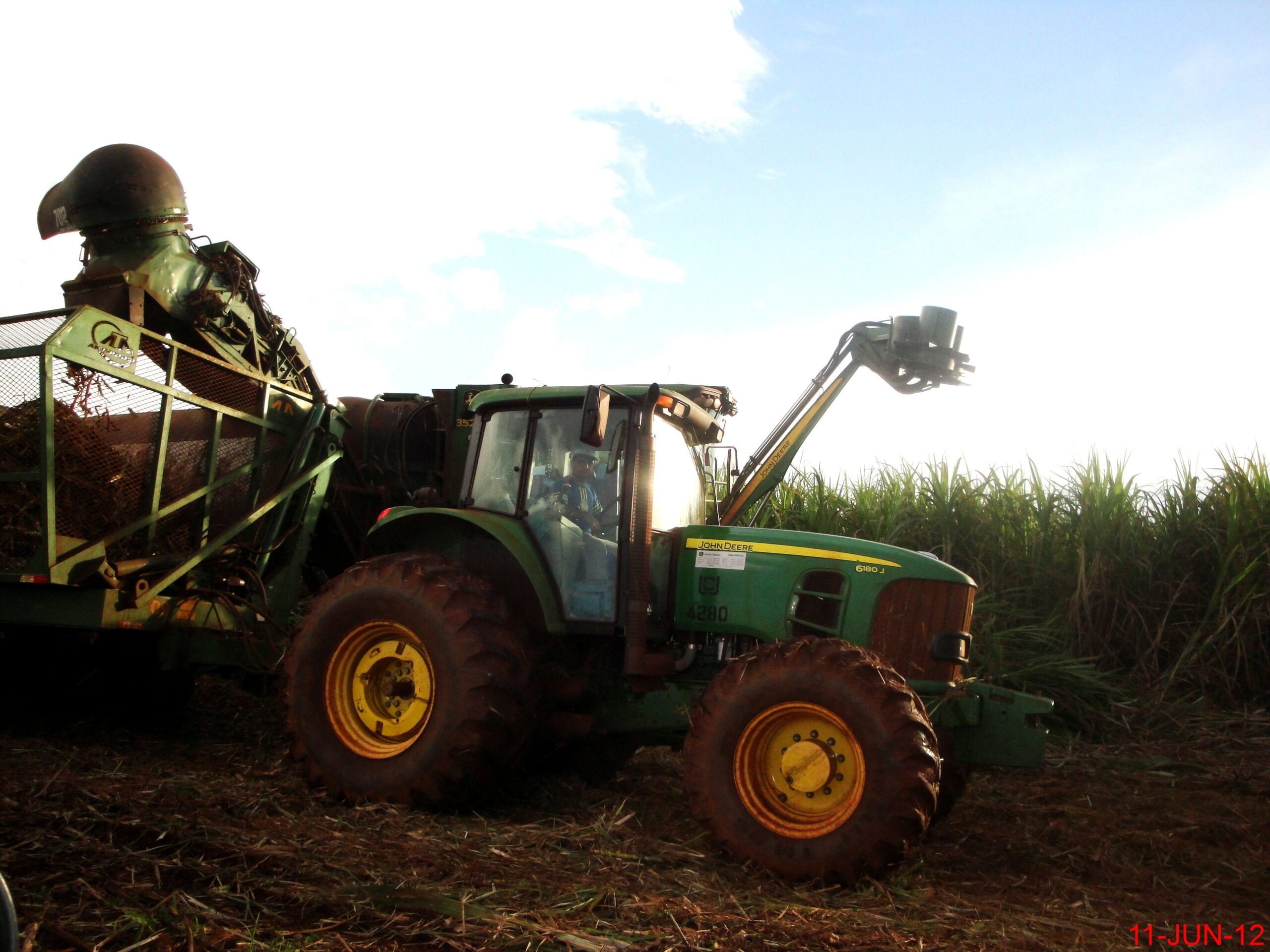
The Numbers Behind the Cosan Deleveraging Drive
Cosan reported a net loss of R$946 million (US$186 million) for the second quarter of 2025, a R$719 million improvement from the same period a year earlier. The company attributed the narrower loss largely to non-recurring effects that had weighed on the prior-year comparison, including tax credits at its Raízen joint venture and the financial impact of Vale’s divestment.
Those one-off items were partly offset by the Rumo Malha Sul impairment that had affected the earlier period. The net result, while still in the red, signalled that management’s focus on balance-sheet repair is beginning to show through the income statement.
Gross debt declined to R$21.5 billion (US$4.2 billion), down from higher levels a year ago, as liability-management actions taken over the preceding twelve months fed through. Net debt remained stable at R$17.5 billion (US$3.4 billion) during the quarter, a figure that analysts are watching closely as a gauge of the group’s financial resilience.
A Conglomerate Under Pressure
Cosan is one of Brazil’s most sprawling industrial groups, with interests spanning sugar and ethanol through Raízen, logistics via Rumo, lubricants and energy distribution, and a stake in mining giant Vale. That diversification has historically been a strength, but it also exposed the group to rising interest rates that pushed up debt-servicing costs across its operations.
Earlier quarterly losses had been linked directly to higher interest expenses, a challenge that prompted management to make deleveraging its stated top priority. The latest results suggest that message is more than rhetoric, with asset sales and targeted capital-market moves now visibly reducing the debt load.
The company has been explicit that proceeds from any divestments are being used exclusively to pay down leverage, not to fund new spending or acquisitions. That discipline marks a shift in tone from a group that once pursued growth across multiple fronts simultaneously.
Live Company IntelligenceCosan S.A — the full investor dossier
Valuation & profitability
Price & risk
$3.0952-wk high
$6.90
Revenue trend · 6y
Ownership
Dividend
What the Cosan Deleveraging Drive Means for Investors
For international investors and expats with exposure to Brazilian equities, Cosan’s trajectory offers a real-time case study in how a highly leveraged conglomerate navigates a high-rate environment. The narrowing loss and stable net debt suggest the deleveraging programme is gaining traction, even if a full turnaround remains some way off.
The group’s complexity means that headline net income can be swayed by non-cash items and one-off effects at subsidiaries, making the debt figures a cleaner signal of progress. The decline in gross debt to R$21.5 billion is a concrete marker that the balance sheet is being repaired.
Market analysts have noted that Cosan’s strategy follows a clear sequence: reduce leverage first, then rebuild growth. That sequencing matters because it determines when the group might return to the expansionary posture that once defined it, and whether it can do so without re-inflating its debt burden.
The Latin America Read-Through
Cosan’s experience mirrors a broader pattern across Latin America’s corporate landscape, where highly indebted groups are being forced to choose between deleveraging and growth. Rising global interest rates and persistent inflation in Brazil have made carrying large debt loads far more expensive than during the cheap-money years of the 2010s.
The group’s decision to prioritise balance-sheet health over expansion echoes moves by other major Brazilian corporates that have sold non-core assets and trimmed capital spending. For foreign investors, the signal is that management teams are responding to the rate cycle with greater caution than in previous episodes.
Cosan’s exposure to both energy and logistics also makes it a bellwether for two of Brazil’s most important sectors. Raízen’s performance reflects global sugar and ethanol dynamics, while Rumo’s results track the country’s agricultural export machine, giving the conglomerate an outsized role in how international markets read Brazil’s economic health.
What to Watch Next
The key metric for the coming quarters will be whether net debt continues to decline or merely stabilises at current levels. A further reduction would confirm that asset-sale proceeds and operational cash flow are being effectively channelled toward deleveraging, rather than being absorbed by working-capital needs or subsidiary-level spending.
Investors should also watch for any signals that Cosan is preparing to pivot from defence to offence. The company has been clear that growth comes second, but the timing of any shift will be critical for the share price, particularly if interest rates in Brazil begin to ease from their current elevated levels.
The performance of Raízen and Rumo as standalone entities will also matter, since Cosan’s consolidated results are heavily influenced by their trajectories. Any major operational surprises at either subsidiary would flow directly into the parent company’s deleveraging arithmetic.
Frequently Asked Questions
What was Cosan’s net loss in Q2 2025?
Cosan reported a net loss of R$946 million (approximately US$186 million) for the second quarter of 2025. This was a R$719 million improvement from the same period a year earlier, driven mainly by non-recurring effects in the comparison quarter.
How is Cosan reducing its debt?
Cosan is using asset sales and capital-market actions exclusively to reduce leverage, which management has identified as the group’s top priority. Gross debt fell to R$21.5 billion in the quarter, helped by liability-management actions over the preceding twelve months, while net debt remained stable at R$17.5 billion.
What businesses does Cosan own?
Cosan is a diversified Brazilian conglomerate with interests in sugar and ethanol through its Raízen joint venture, logistics via rail operator Rumo, lubricants and energy distribution, and a stake in mining giant Vale. The group’s complexity means its consolidated results are influenced by performance across multiple sectors.
Connected Coverage
Brazil WTO Complaint Targets US Tariffs as Election Looms
Gol Fitch Upgrade to B- Signals Turnaround for Brazil Airline
Sources: Cosan.
This article was produced by The Rio Times’ automated newsroom system. How we use AI · Report an error
LatAm Markets: Live Signals → — real-time movers, turnover leaders and FX across Latin America.
Read More from The Rio Times