Coronavirus Amplifies Inequality and Increases Economic Gap
RIO DE JANEIRO, BRAZIL – The coronavirus crisis has generated platitudes at the same rate that it destroys others, deeply rooted in the economic imaginary: while the “unprecedented” is used as a crutch for everything, the mantra that pandemics reduce inequalities falters.
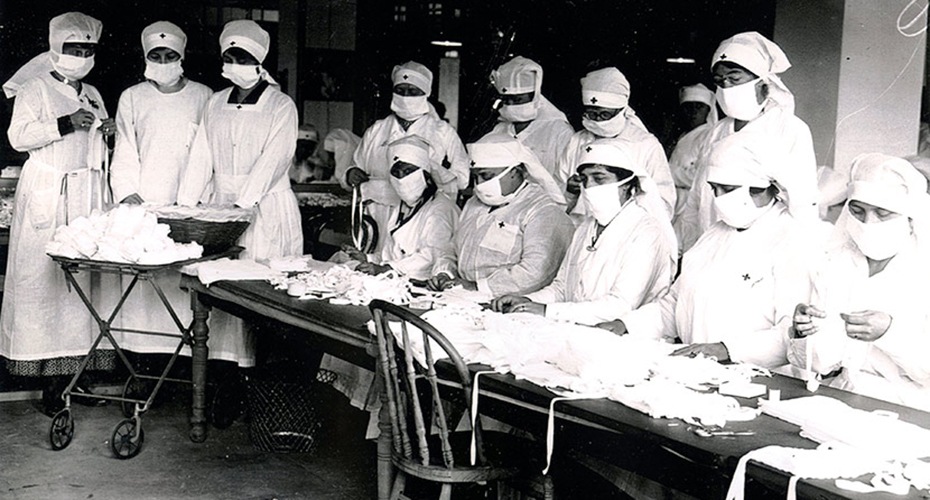
Not because it is wrong in itself – it proved right during the black plague in the 14th century, and, to a lesser extent, in the 1918 flu epidemic, particularly among younger workers – but because this time the circumstances do not allow it to be so. In the past, the pandemic spread most among the working-age population, reducing available labor and leading to an increase in wages; this time, however, it has the elderly as its main victims.
If this pandemic is doing anything – quarantine included – it is creating inequalities, according to more than a dozen historians and economists consulted.
![The disease, says Nobel Laureate Joseph Stiglitz, author of The Price of Inequality, "reaches the low end of the socioeconomic level, losing its jobs disproportionately [in relation to the average]. They get the worst share".](https://www.riotimesonline.com/wp-content/uploads/2020/06/Corona2.jpg.webp)
Likewise, despite the severe losses in the stock market, everything suggests that capital will recover its pace earlier than the labor markets. The result of this cocktail, according to a dozen historians and economists, can only be one: those who reached the crisis in a more difficult moment will also come out worse.
Historian Walter Scheidel illustrated in his book “The Great Leveler: Violence and the History of Inequality from the Stone Age to the Twenty-First Century”, the only factors capable of leveling the balance of power between rich and poor are war, revolution, the collapse of the state and plagues – the “Four Horsemen of Leveling”, in his words.
Without them, he says, there is no improvement. The Black Plague (tens of millions of dead in the 14th century, perhaps the most disastrous of all time, with a reduction of between 25 to 45 percent of the world’s population) led to a reduction in inequality and increased the well-being of those who managed to survive.
The 1918 flu, although to a much lesser extent (40 million deaths, just over two percent of the world’s population), also reduced the labor force and had a similar, though lesser, impact. “Pandemics strike and kill people and leave families with lower living standards. The direct impact on poverty and well-being is great and persistent. The resulting joy of improved equality sounds empty: how great that we are more equal in misery,” says James Foster of the Elliott School of International Affairs in George Washington University.
With the new coronavirus, not even this conjunctural improvement will be experienced: the number of deaths is as great in absolute terms (330,000 people) as it is devastating in morale, but of very little statistical relevance in a world with almost eight billion inhabitants, 20 times more than in the Black Plague times.
Nothing will change in the balance between capital and labor: Nora Lustig, a professor at Tulane University and one of the best Latin American economic historians of our time, and Òscar Jordà, of the University of California at Davis and co-author of one of the first papers on the long-term economic consequences of Covid-19, both recall that what makes this pandemic different is that (fortunately) in relative terms, deaths are significantly lower than on previous occasions.
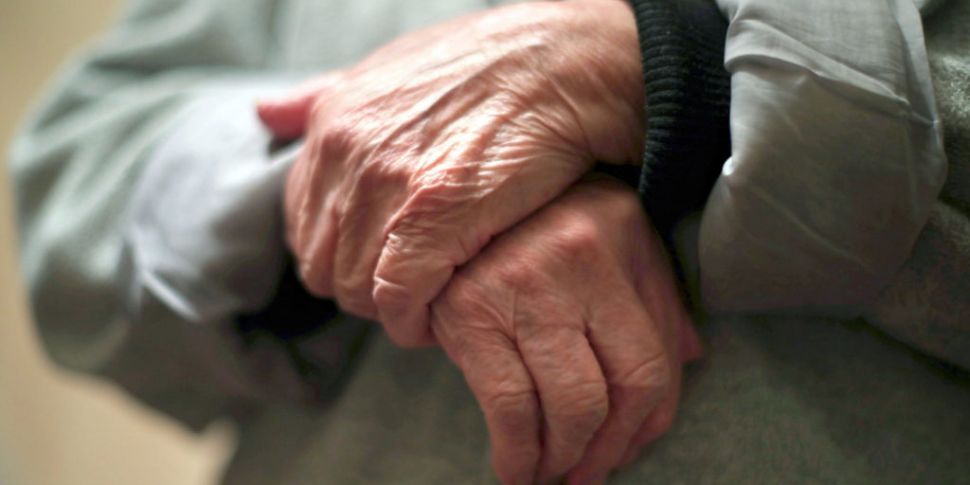
“The most affected are retirees, with savings and capital, but who are already out of the labor market,” Jordà says. And, on the other hand, other fundamental variables to inequality will worsen.
“This time it’s different: there will be no shortage of manpower and the average worker’s salary will not increase,” says Walter Scheidel, a professor at Stanford University. “In fact, in the short term the coronavirus will probably increase inequality, with greater differences between workers in relatively stable sectors, and those who will be left with the worst part of confinements”.
“Everything depends on the context and the institutions”, adds Guido Alfani, historian at the Bocconi University of Milan: “It would be more accurate to say that some pandemics, like the Black Plague, the most deadly in history, have reduced inequality. But not all of them: that of the 17th century [also a plague] in southern Europe, which in Italy killed between 30 and 40 percent of the population, did not cause any significant and lasting reduction”.
Still lacking raw data – we’ll have to wait years – everything points to the fact that this time inequality will not drop, but rather greatly increase: in the same way that the virus strikes some countries (those that rely on tourism and services, like Spain) more heavily than others (the most closed economies), it also strikes the low-income strata more.
“It’s a myth that all pandemics have a socially neutral effect,” says Svenn-Erik Mamelund of the Metropolitan University of Oslo and one of the researchers who has delved most into the economic and demographic derivatives of health issues.
“The poor have always been the most affected in medical terms (hospitalizations and deaths) and economic terms: they are also the ones who are ultimately impoverished even more. This is something we see today with the blacks and Navajo Indians in the US, but also with the poorest in Madrid, Paris, Oslo and Stockholm: those who say that Covid is an equalizer are wrong”.
The disease, says Nobel Laureate Joseph Stiglitz, author of The Price of Inequality, “reaches the low end of the socioeconomic level, losing its jobs disproportionately [in relation to the average]. They get the worst share”.
Crises always leave shame and expose the hidden, and not so hidden, vices in economies. And this pandemic is cruelly exposing the gaps that existed before the virus emerged: mortality rates are higher among the most fragile communities in virtually every city in the West, and the disabilities of economies in many cases destroyed by the Great Recession, underscores everything. Those who entered the crisis in debt are less likely to do well than those with a safety net and a stable, well-paid job.
“It will destroy debtors, tenants and those who have loans they cannot repay due to their declining incomes,” alerts James K. Galbraith of the University of Texas. “Unless there is general relief for these debts, creditors will retain the assets at liquidation prices. Without this fresh start, there will be a prolonged depression and a massive impoverishment of the middle classes”.
The impact of confinements remains unknown: it is, as Alfani notes, the first time in human history that this many countries have decided on measures “so strict that we cannot rely on past events to try to project what will happen”.
But for now, some initial conclusions may be drawn: in the labor market, the coronavirus is roughly creating two groups of workers: those who can continue to perform their task with almost total normality – white-collar workers, in Anglo-Saxon terms – and those who cannot do so – blue-collar workers who are unemployed, either temporarily or permanently. Just when the wound of the former crisis on income was beginning to heal.
The labor markets obey, with few exceptions, the following pattern: lower salaries, fewer options to work at home and higher unemployment. In the US, for instance, four out of every ten workers dismissed earned less than US$40,000 (R$213,000) per year, although the average wage was above US$50,000 (R$266,000).
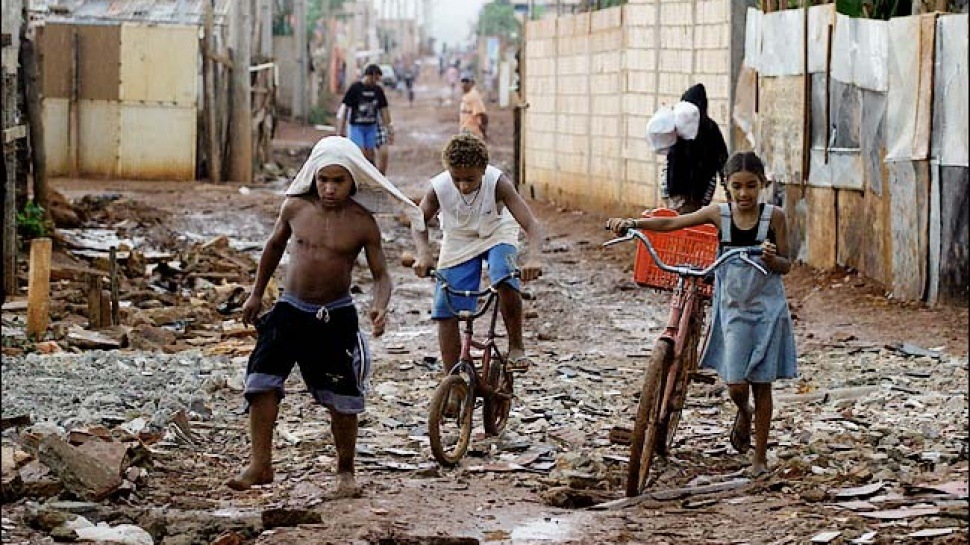
This is the case in more advanced economies. In emerging countries, the dilemma is much harder – to shelter or to eat. Millions of casual workers – who were worst off before the pandemic – are now forced to do literally whatever it takes to make a living for themselves and their families, while more skilled workers can carry out their home offices with no major changes. Nor should we forget that inequality was at the root of last year’s protests in Latin America, a region in which economic imbalances continue to advance unrestrained.
The luxury of staying home and gender inequality
Staying home is now more than ever a luxury. That cliché will not end the crisis. “We can see that in the US, yes, but also in a wealthy country like Norway: those with less schooling and resources are the hardest hit both in terms of unemployment and income. And the history of the crisis tells us that they are, likewise, the ones with the most difficulty in returning to the job market after a period of unemployment”, Mamelund points out.
“By affecting the poorest the most, those who have no savings and are the most unprotected, will lead to social mobility for the lower classes,” adds Lustig, who bluntly calls for a specific tax on the wealth “of billionaires” in order to prevent the wave of inequality that is to come.
“The recession is so tied to the increase in unemployment and the collapse of small businesses, such as cafés and restaurants, that it’s difficult to imagine a horizon in which the poor benefit in relation to the rich,” says Peter Lanjouw of the Free University of Amsterdam. To put it bluntly: the crisis will impoverish everyone (or almost everyone: some, as always, will go unscathed), but not equally.
Nor will the financial dynamics help to close the gap. The initial impact on the Stock Markets was very hard, scraping the assets of those owning large fortunes – the fourth richest man in the world, Warren Buffett, has already lost US$50 billion since the start of this crisis – but the financial markets have already begun to recover (very slowly) part of the losses.
“If the 2008 Great Recession serves as a guide, the investments of the wealthy will rebound before the labor markets do,” Scheidel projects. The other preferred investment target of the wealthiest, the real estate market, seems to be deeply impacted. But here the middle class who went into debt to own property will also take a blow, and the equalizing effect will be – if at all – discreet.
“People’s ability to protect their families and weather the storm varies greatly,” point out Sabina Alkire and Ricardo Nogales of Oxford University. “While some people have formal and stable jobs, healthy relationships, comfortable homes and strong mental health, others only earn income from casual sources and are facing a situation of vulnerability and poverty, with compromised conditions at home. They are mainly the elderly and women.” In fact, gender is a key variable in the analysis: UNESCO estimates that 1.5 billion children worldwide are not currently going to school, with the consequent impact on families, who need to take care of them when they should be in the classroom.
“And given the existing gender norms and taking into account the historical distribution of household chores, we can say, unmistakably, that this additional burden is being placed disproportionately on women,” says Olga Shurchkov of Wellesley College.
This disparity between women and men is being observed in virtually all areas: since the first attack of the virus, productivity has plummeted among female researchers, while it has grown among their male peers. Also in terms of employment: while in the 2008 crisis job losses occurred in very male-dominated sectors (building, plants), this time the worst part fell on services, such as nursing and teaching, where women have a greater role. “The finding is clear: gender inequality has increased and will continue to increase as long as this recession lasts,” notes Shurchkov.
The significance of public policies and political pressure
The starting point is worrying in itself. Despite the decline of the Western middle classes and the fact that the upper classes have not stopped adding to their share of the pie, the improvement of their emerging peers has balanced the global picture of inequality. Within countries, the picture is different. Since the sixties, income concentration has grown tremendously – mainly in the US, but also in the UK, Germany, Italy and Spain.
Concurrently, inequality has been growing in public debate: the financial crisis, which continued to widen the gap, turned it into a recurring discussion topic, showing that the concern extends far beyond social justice and also acts as a growth inhibiting factor. Beyond the ethical issue, it is, in short, an obstacle in the economic wheel’s path.
Public policies, commonly relegated to the bottom of a social debate consistently marked by cultural war and polarization, emerge as the key to the vault in the social structure that results from this crisis. The welcome protection measures thus far implemented – mainly in Europe, with several countries covering part of wages, minimum income schemes and specific aid for vulnerable groups: a socialization of losses at best – do not seem to be enough.
This is shown by the 100,000 people who have applied for food aid in Madrid, and Stiglitz’s fears on the other side of the Atlantic. “In the US, a disproportionate share of the US$3 [R$16] trillion injected into the economy has ended up in the hands of those who have the most, including large corporations. The costs of this crisis are primarily borne by the poor, and the money is not helping them, which amplifies inequalities,” emphasizes the Nobel laureate.
In emerging countries, the economic crisis will be just as hard. And that will be felt in global inequality, a gap that had narrowed with globalization and now risks going the opposite way, according to Lanjouw of the Free University of Amsterdam. “The process of convergence between poor and rich countries is likely to slow down or be directly reversed,” notes the Dutch academic, who has devoted much of his life to developmental economics.
Faced with the ills of today – poverty, inequality – a new perspective and vision of tomorrow is required. On a slightly longer horizon, few doubt that the covid-19 pandemic will be more than an economic and health shock: it will also rock the field of ideas. According to philosopher Adela Cortina, “Whatever will happen in the future will largely depend on how we exercise our freedom, whether we do it from an inclusive ‘we’ or from a fragmentation of individuals”. This is even more valid for the purely economic plan.
The public debate on inequality, anticipates Lanjouw, will change for the better: the focus will be greater on those who are worse off. “It can bring about a lasting change in ideological direction and in public policy,” says Samuel Bowles of the Santa Fe Institute. “As in the Great Crisis, the pandemic is a blow to unregulated markets and small states [in terms of public spending] without a minimal economic safety net for workers. If covid-19 is able to expose the deadly risks of economic policies based solely on free markets and individualistic ideology, it can also foster a more equal future”.
The coronavirus crisis, Scheidel concludes, has the “potential” to increase political pressure in favor of a more progressive agenda. Particularly if it extends over time and poverty and dissatisfaction levels, “it could lead to nationalizations, basic income programs and greater progressivity in the monitoring of wealth. This could reduce the current concentration of income and wealth”.
The initial blow could be reversed in the long term. Only a change in mentality is needed. A deep one.
Source: El País
More: Brazil news in English, every day from The Rio Times.
Live Company IntelligenceGrupo Aeroportuario del Pacífico S.A.B. de C.V — the full investor dossier
Valuation & profitability
Price & risk
$341.7952-wk high
$512.65
Revenue trend · 6y
Ownership
Dividend
This article was produced by The Rio Times’ automated newsroom system. How we use AI · Report an error
Read More from The Rio Times