Commercial Strength Offsets Financial Outflows in Brazil’s Economy
Brazil’s economic landscape in 2024 presents a complex picture of resilience and challenges. The country’s currency flow has shown remarkable strength, defying global economic headwinds.
In October 2024, Brazil recorded a positive currency flow of US$3.094 billion. This figure highlights the nation’s ability to attract foreign capital despite ongoing financial outflows.
The commercial channel played a crucial role in this positive outcome. It contributed a substantial US$6.660 billion to the overall flow.
This robust performance in trade underscores Brazil’s competitive edge in exports. It also reflects the country’s capacity to maintain strong international trade relationships.
However, the financial channel tells a different story. It experienced a net outflow of US$3.565 billion in the same period.
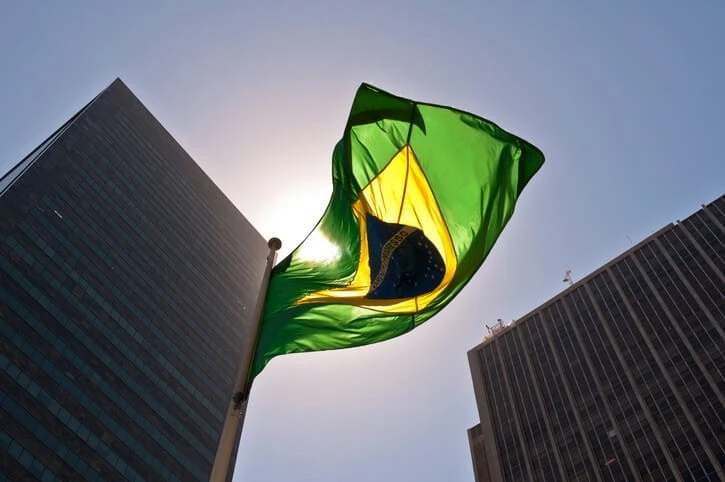
This outflow encompasses various financial transactions, including foreign investments and profit remittances. The contrast between the commercial and financial channels reveals the multifaceted nature of Brazil’s economic interactions.
The year-to-date figures further emphasize this trend. By November 1, 2024, Brazil had accumulated a positive currency flow of US$10.752 billion.
Brazil’s Economic Resilience
This cumulative figure demonstrates the country’s consistent ability to maintain a net inflow of foreign currency. It serves as a testament to Brazil’s economic resilience in the face of global uncertainties.
These positive currency flows have significant implications for Brazil’s economy. They contribute to the stability of the Brazilian real, potentially easing inflationary pressures.
A stable currency can make imports more affordable and support the central bank’s monetary policy objectives.
Yet, Brazil’s economic narrative is not without its challenges. The International Monetary Fund has projected a significant increase in the country’s public debt-to-GDP ratio.
This projection raises concerns about fiscal sustainability and potential impacts on credit ratings. It underscores the need for careful fiscal management to maintain investor confidence.
The Brazilian government faces the task of balancing fiscal discipline with economic growth. Finance Minister Fernando Haddad has emphasized the importance of strengthening the fiscal framework.
His comments at a G20 ministers’ meeting addressed concerns about Brazil’s fiscal management. Haddad dismissed claims of neglecting public finances as exaggerated.
Brazil’s economic performance in 2024 also reflects broader global trends. Commodity prices, crucial to Brazil’s export-driven economy, have experienced fluctuations.
These price movements have impacted major companies like Vale and Petrobras, influencing stock market performance. The country’s inflation rate has shown improvement, decreasing to around 4%.
This reduction, coupled with a low unemployment rate of 6.6%, has contributed to an increase in real income. These factors have supported domestic consumption and economic activity.
Brazil’s central bank has played a crucial role in managing these economic dynamics. After maintaining the Selic rate at 10.5% for several months, it raised the rate to 10.75% in September.
In short, this decision reflected concerns about strong GDP growth, tight labor market conditions, and rising inflation expectations.
More: Brazil news in English, every day from The Rio Times.
This article was produced by The Rio Times’ automated newsroom system. How we use AI · Report an error · Editorial responsibility: Matthias Camenzind, Editor-in-Chief
Brazil runoff, Sunday, October 25: Brazil runoff: date, poll closing times and when results start. Latest: Brazil runoff polls, Flávio 51%, Lula 49%.