Colombia Visa Guide: Every Option for Living and Working
Colombia · Step by Step
Key Facts
- Three families. Colombian visas come in three types — Visitor (V), Migrant (M) and Resident (R).
- Short stays. Visitor (V) visas and the 90-day tourist stamp cover tourism, remote work and short projects.
- Settling in. Migrant (M) visas are for those putting down roots — work, retirement, marriage, investment or study.
- The long game. The Resident (R) visa is the near-permanent status that follows years on an M visa or a big investment.
- One thread. Whatever the route, you register the visa with Migración Colombia and carry a cédula de extranjería.
Lost in the alphabet soup of V, M and R? This Colombia visa guide lays out every main route to living and working in the country, what each is for, and how they connect into a path toward permanent residency.
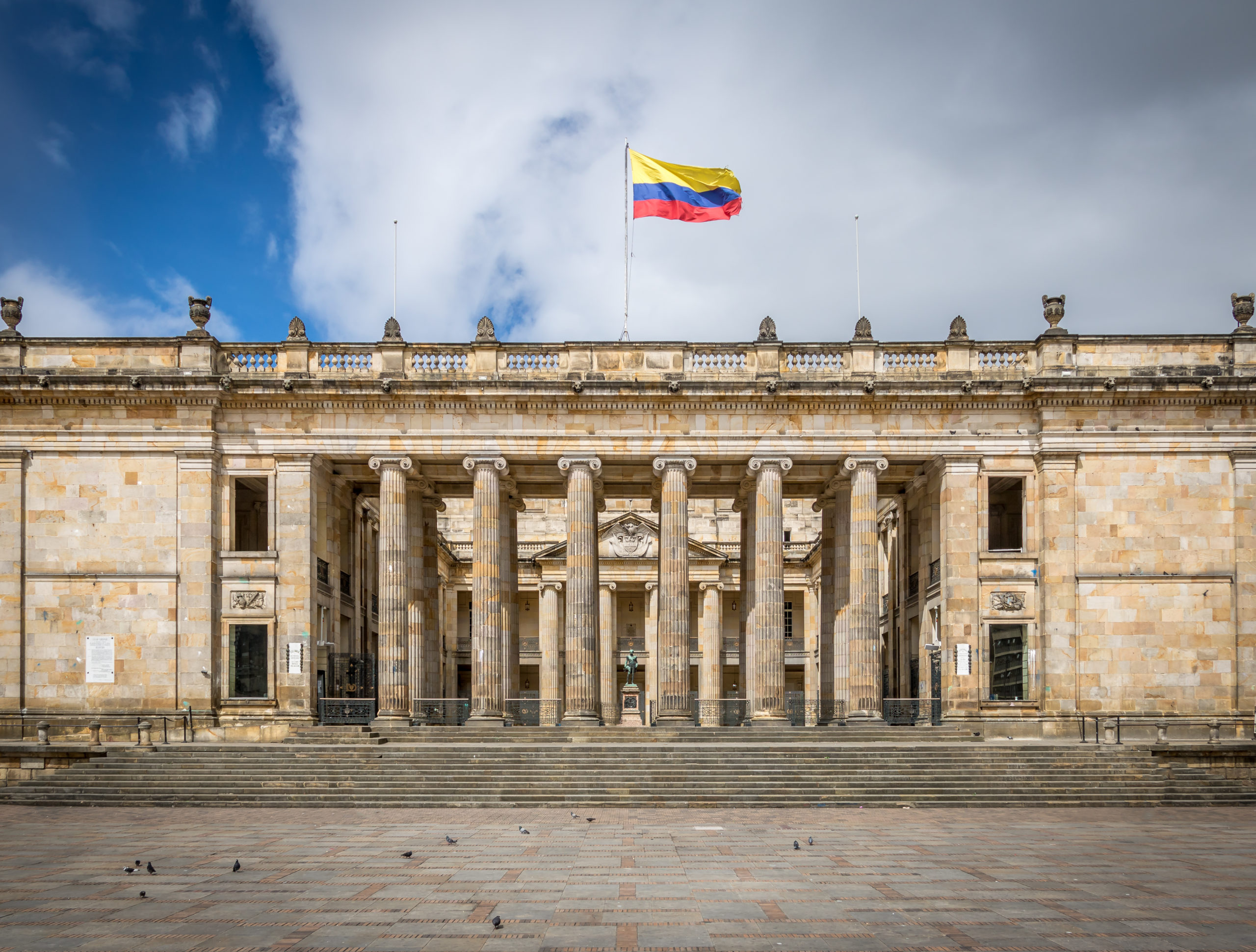
The three visa families
Since the 2022 overhaul of the rules, every Colombian visa falls into one of three classes, and learning them is the fastest way to cut through the confusion. The Visitor visa, marked V, covers temporary or specific purposes; the Migrant visa, marked M, is for people who intend to settle; and the Resident visa, marked R, is the long-term, near-permanent status.
You generally climb the ladder over time, moving from a V or M visa toward an R visa as your years in the country add up. Each visa is issued for a set period, attaches to a specific purpose, and must be registered with the authorities once granted.
Visitor (V) routes
The V family suits shorter or single-purpose stays and is where most first-timers start beyond the simple tourist stamp. It includes the Digital Nomad visa for remote workers earning from abroad, plus visas for tourism, business activities, study, medical treatment, and short technical assignments.
Most V visas are issued for up to two years and, on their own, do not convert directly into residency, so they are best seen as a legal way to live in Colombia for a defined chapter. Above them sits the ordinary tourist stamp many nationalities receive on arrival, valid for up to 90 days and extendable to a maximum of 180 days in a calendar year, which is fine for a visit but not a base for settling.
Migrant (M) routes
The M family is where expats putting down roots usually end up, and it is the broadest category. It includes the employer-sponsored work visa, the Pensionado visa for retirees with a qualifying pension, the spouse or permanent-partner visa for those married to or partnered with a Colombian, the investor visa, including the route based on buying property above a set threshold, and the business-owner visa for those who form a company.
M visas typically run for up to three years, allow you to live and in most cases work in line with the visa’s purpose, and crucially the time you hold them counts toward the next step.
Resident (R) and citizenship
The Resident visa, R, is the goal for long-stayers because it grants near-permanent status with broad rights to work and live without re-justifying a narrow purpose each time. You generally reach it after accumulating several years on M visas, usually five, though the period drops to two years for the spouses and partners of Colombian citizens and for investors above a higher threshold.
Holding an R visa, and before that a continuous record of legal residence, also opens the path to Colombian naturalisation after a qualifying period, which for many nationalities can be surprisingly attainable. Throughout, your visa is only as valid as your registration, so treat each new visa as a two-step process: the grant, then the paperwork that follows.
Registering, costs and choosing well
Whatever visa you hold, if it is valid for more than three months you must register it with Migración Colombia within fifteen days, which is how you receive your cédula de extranjería, the foreigner ID card that unlocks banking, healthcare and contracts. Government fees vary by category but generally split into a study fee and an issuance fee, and most applications are now filed online through the Cancillería portal.
The right choice depends less on what is cheapest than on where you are heading: a remote worker testing the waters leans to the Digital Nomad visa, a retiree to the Pensionado, a hire to the work visa, and a buyer or founder to the investor or business routes. When in doubt, a Colombian immigration abogado can map your particular situation to the cleanest path in a single consultation.
More: Colombia news in English, every day from The Rio Times.
Frequently Asked Questions
What are the main Colombian visa types?
Three: Visitor (V) for temporary stays, Migrant (M) for settling in, and Resident (R) for near-permanent status.
Which visa do digital nomads use?
The Visitor (V) Digital Nomad visa, for remote workers earning from foreign sources, valid for up to two years.
Which visa leads to residency?
Migrant (M) visas — work, retirement, marriage, investment — accumulate toward a Resident (R) visa, usually after five years.
Do I need to register my visa?
Yes. Register with Migración Colombia within 15 days of a visa valid over three months, which gives you your cédula de extranjería.
Can I get citizenship?
Yes, after a qualifying period as a resident — generally five years, or two for spouses of Colombians and some others.
This guide is general information, not legal, tax, immigration or financial advice. Colombian rules change often, so confirm current requirements with official sources — the DIAN, Migración Colombia, the Cancillería and the Banco de la República — and consult a qualified Colombian lawyer or contador before acting. Information is current as of June 2026.
This article was produced by The Rio Times’ automated newsroom system. How we use AI · Report an error · Editorial responsibility: Matthias Camenzind, Editor-in-Chief
Expat Guide to Colombia
What The Rio Times publishes for foreigners who live in or move to Colombia.
Start here
- Colombia SIM Card and Internet for Foreigners in 2026
- Colombia Rent Increase Limit Is 5.10% in 2026
- Bancolombia Explained, Colombia's Largest Bank in 2026
- Cost of Living in Colombia for Expats in 2026: Rent, Transport and Health in Five Cities
City guides
Medellín, Bogotá, Cartagena, Cali
Coming up in Colombia
- Fonseca El Campín Concert Set for 24 October 2026 in Colombia 24 Oct
- Ryan Castro El Campín Halloween Show Set for 31 October in Colombia 31 Oct
- Los Tigres del Norte Play Bogotá's El Campín Stadium on 7 November 7 Nov
- Cartagena Independence Festivities: 11 to 16 November 2026 11 Nov
Understand Colombia