Colombia Resident Visa Transfer: Old Residente Holders Have Until October 31, 2026
COLOMBIA · VISAS
Key Facts
- —What happened Colombia extended the deadline for transferring old Residente Permanente visas to October 31, 2026.
- —How big About seven weeks remain, and the foreign ministry has already extended this deadline once.
- —What it means Affected holders must move an old visa into the system created in 2022.
- —The catch Nothing is stamped cancelled, but without the transfer you cannot renew the cédula daily life needs.
- —Who it hits It covers Residente Permanente visas issued before Resolución 5477 de 2022 changed the rules.
- —What comes next Applications run through the foreign ministry, and a new foreigner ID card follows approval.
The Colombia resident visa transfer has one hard date, October 31, 2026. Holders of old Residente Permanente visas have about seven weeks left.
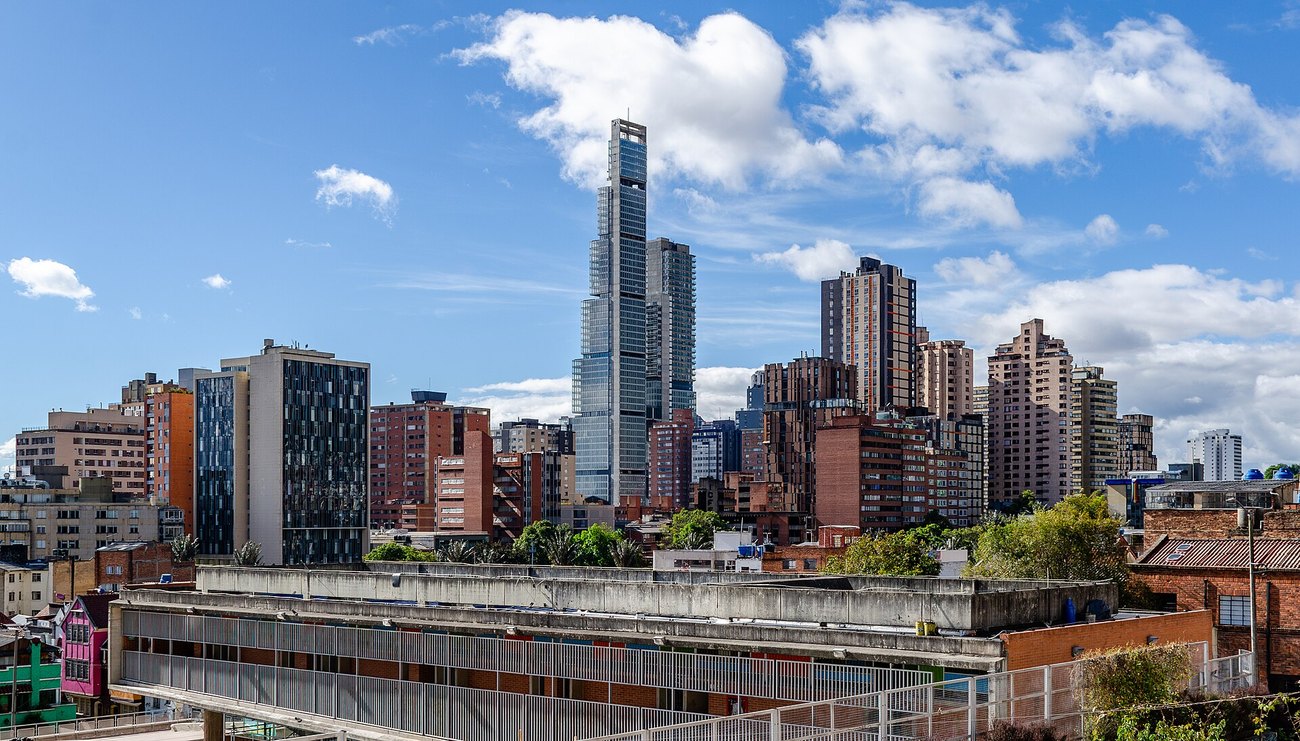
Foreign residents in Colombia face a date they cannot move, because the Colombia resident visa transfer closes on October 31, 2026. The rule reaches people who hold an old Residente Permanente visa, granted before the system changed in 2022.
Who has to move an old visa
The rule targets one group, holders of a Residente Permanente visa. That was Colombia’s old permanent residence stamp, issued for an indefinite period.
It applies to visas granted before Resolución 5477 de 2022 reorganised the whole system. Visas issued in 2022 or later are already inside the current framework.
The move into that framework is called the traspaso, which is Spanish for transfer. It is not a fresh visa application, and it does not reset your years of residence.
The 2022 overhaul cut the old list down to three letters, V for visitor, M for migrant and R for resident. Older R visas stayed valid, but they sit outside that structure.
If you are unsure which category you hold, the type letter on the visa is the quickest check. Our Colombia Residency and Visa Guide 2026 sets out the current categories in full.
What the October deadline covers
The date comes from Resolución 9316 de 2024. The Cancillería, Colombia’s foreign ministry, signed it in late September 2024 and moved the deadline to October 31, 2026.
This is the first extension of that deadline. The original cut-off fell in October 2024, two years after the 2022 rules took effect.
No further extension appears in the ministry’s later resolutions. As of mid-September 2026, October 31 stands as the working date.
That leaves roughly seven weeks. Gathering certificates and booking an appointment takes time, so a start date in late October is tight.
The application itself runs online through the ministry’s visa portal. The file is reviewed in Bogota, and approval is followed by a new foreigner ID card.
The documents the resolution lists
Article 106 lists five requirements, not four. The first is to meet the general visa application requirements that apply to any visa file.
Then come the specific papers. You need a copy of the old visa and of your Cédula de Extranjería, the ID card that foreign residents carry.
You also need a Certificado de Movimientos Migratorios. That is the travel record issued by Migración Colombia, the immigration authority, listing your entries and exits.
Next comes proof of what you actually do in the country. Employment papers, a company registration, study enrolment or pension statements all answer that question.
The resolution also asks for a short letter explaining the reason for the transfer. A Salvoconducto, the temporary safe-conduct permit, is no longer required, because the resident visa has no expiry date.
The special case of visas issued before 2000
Paper visas from the last century go missing, and the ministry allowed for that. Holders of visas issued before the year 2000 can apply without the original document.
In its place you file a sworn statement. It has to explain why the original visa cannot be produced, and it is submitted with the rest of the file.
You then add an extended migration certificate reaching back to the year the visa was issued. The last foreigner ID card from your stay goes with it.
This branch of the rule matters for long-settled families. People who arrived in the 1980s or 1990s are exactly the group most likely to have lost the paperwork.
What happens if you miss October 31
Nothing is stamped cancelled on the day itself. The practical trouble arrives later, when your Cédula de Extranjería comes up for renewal.
Without a transferred visa, immigration advisers say the card can no longer be issued or renewed. That card is what opens bank accounts, rental contracts and health cover.
Some advisers go further. One Bogotá immigration firm warns the residence itself may be treated as ended, with a 30-day window of regular status.
The ministry’s own text does not spell any of this out. Colombia’s visa rules give a 30-day exit window only after a visa is formally cancelled.
What the transfer costs
Resolución 9316 sets no price, but a separate tariff resolution does. Resolución 3969 de 2026 fixed the ministry’s fees in March 2026.
Its table prices a traspaso de visa at US$56 for the study stage and US$56 for issuance. That is US$112 in total, and stamp tax is charged on top.
Advisory sites still quote figures of their own. Some list about US$65 per stage, which sits above the published tariff.
Timing is the real gap in the rules. No service standard is published for the decision itself, so file early rather than late.
One clock is fixed. Once a visa is approved and paid for, the ministry has ten working days to issue the electronic visa.
More: Colombia news in English, every day from The Rio Times.
Frequently Asked Questions
Who has to do the traspaso in Colombia?
Only holders of a Residente Permanente visa issued before Resolución 5477 de 2022. Visas granted in 2022 or later need no transfer.
What documents do I need for the traspaso?
A copy of the old visa, your cédula, and a Migración Colombia travel certificate. You also add proof of your current activity and a short covering letter.
What happens if I miss the October 31, 2026 deadline?
The resolution does not say. Advisers warn that a new foreigner ID card can then no longer be issued or renewed, which ends residence in practice.
How much does the traspaso cost and how long does it take?
The official tariff is US$56 for the study stage and US$56 for issuance, so US$112 in total. No processing time is published for the decision.
Sources: Cancillería de Colombia, full text of Resolución 9316 de 2024; Cancillería, Resolución 3969 de 2026 on fees; Cancillería newsroom, deadline extension announcement; Resolución 5477 de 2022; KPMG GMS Flash Alert 2024-213; expatgroup.co.
This article was produced by The Rio Times’ automated newsroom system. How we use AI · Report an error
Read More from The Rio Times