Colombia Plans US$17.2 Billion Farm-Loan Payment Freeze as Drought Bites
COLOMBIA · BUSINESS
Key Facts
- The country. Colombia, 53.9 million people, has been led by President Abelardo de la Espriella since 7 August 2026. His hard-right government replaced the first left-wing one, under former president Gustavo Petro.
- The money. The peso trades at about 3,173 to the US dollar. Oil, coal and coffee earn the foreign currency, alongside a growing nearshoring industry.
- The legal route. Article 215 of the constitution lets the president and the full cabinet declare an economic, social and ecological emergency and act by decree. El Niño is a periodic warming of the Pacific that shifts Colombia’s rainfall.
- What happened. Agriculture Minister Indalecio Dangond told a Senate committee on Tuesday 22 September 2026 that the decree is planned for Monday 28 September. It covers about 55 trillion pesos (US$17.2 billion) of farm credit.
- What would change. Banks could pause payments for three to four months without marking borrowers late, then spread the debt over about two years. The minister described relief, not cancellation.
- What it means for you. Anyone holding Colombian farm credit should read the published decree before acting. For residents, food prices are the direct channel; for bank shareholders, delayed loan income.
- The catch. No decree text exists yet, so eligibility, regions and crop lists are unknown. The Constitutional Court reviews every emergency automatically and struck the previous government’s down on 9 April 2026.
An announced decree, a constitutional clause with a hard history, and farmers still waiting for rain.
Colombia’s agriculture minister has said the government will declare a Colombia El Niño emergency on Monday, 28 September 2026. The plan would let banks freeze farm loan payments for three to four months.
What Colombia’s Agriculture Minister Announced
Agriculture Minister Indalecio Dangond told the Senate’s Fifth Committee on Tuesday, 22 September 2026, that the government would declare an emergency. He set the date for Monday, 28 September 2026.
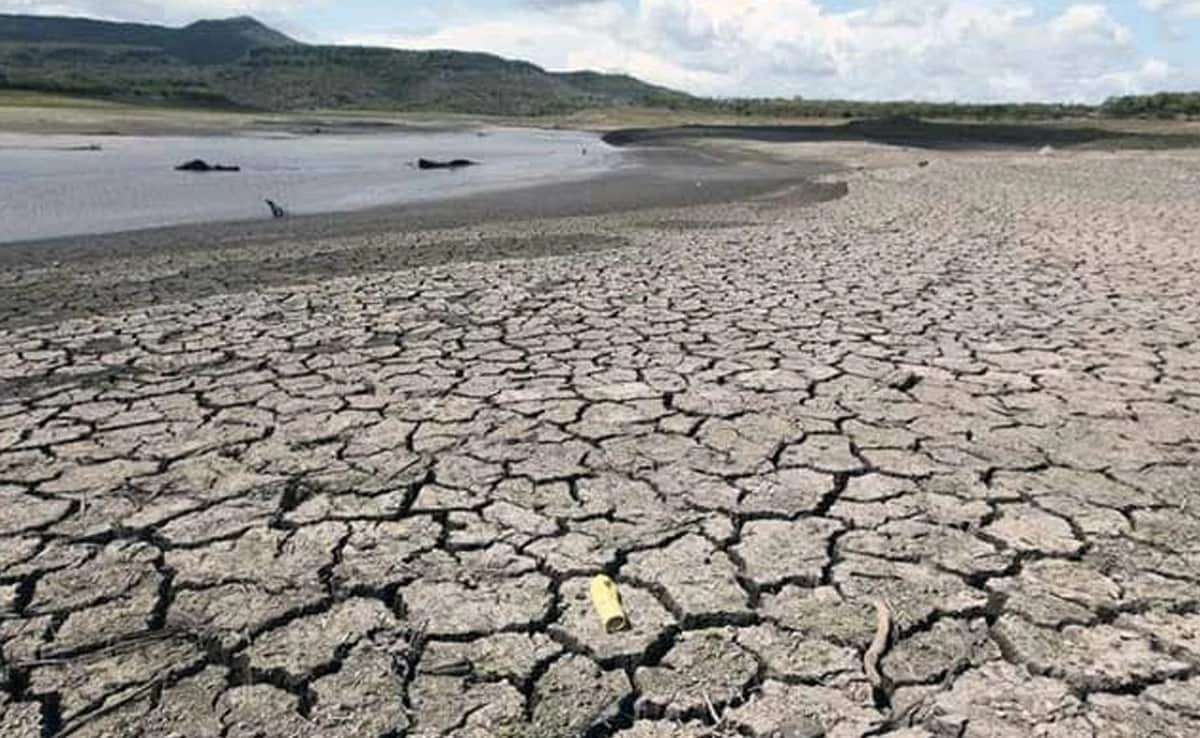
The measure would answer drought losses linked to El Niño, a periodic warming of the Pacific Ocean. It shifts rainfall patterns across Colombia.
President Abelardo de la Espriella and his cabinet would have to sign the decree. Dangond said the signing was planned for that Monday.
This would be the government’s second economic emergency in under two months. The first followed the earthquake of 10 August 2026.
Dangond made the announcement during a political control debate. He said the administration did not inherit a budget plan big enough for this climate shock.
What The Debt Freeze Would Cover
Dangond said the farm credit portfolio at issue is about 55 trillion Colombian pesos (US$17.2 billion). That is at 23 September 2026 rates of about 3,200 pesos to the dollar.
With the emergency in force, the financial regulator could let banks pause payments for three to four months. Borrowers would not be marked as late.
Debts would then be spread over about two years, which lowers each monthly payment. The minister described relief, not cancellation of what farmers owe.
Dangond said seven export sectors are worth about US$11 billion a year. They include coffee, flowers, sugarcane, cacao, palm oil, avocado and citrus.
The tax agency would also speed value-added tax refunds for exporters. Officials said the wait could fall from about three months to one.
The ministry is also preparing longer farm credit terms of 10 to 15 years. It wants better port handling for imported fertilizer.
The Colombia El Niño Emergency Legal Route
The Colombia El Niño emergency would rest on Article 215 of the country’s constitution. It allows an economic, social and ecological emergency when events gravely threaten the economic order.
A declaration is signed by the president and the full cabinet. It then goes to the Constitutional Court for review.
That review is why the announcement is not the end of the story. The Court can let an emergency stand or strike it down.
What The Court’s Record Suggests
On 9 April 2026 the Constitutional Court struck down the previous government’s economic emergency. That decree, numbered 1390 and dated 22 December 2025, was declared unconstitutional.
The Court found the measure clashed with democratic principles and the separation of powers. Six justices backed the ruling and two dissented in part.
The current government’s earthquake emergency, Decree 1261 of 19 August 2026, is still before the Court. Justice Juan Carlos Cortés is the rapporteur.
Emergency decrees go to the Court automatically, without anyone needing to sue. No ruling on the earthquake decree had been published by 23 September 2026.
So the legal route is available but closely policed. A decree can take effect quickly and still be undone later.
Why This Matters For Expats And Investors
Colombia exports coffee, flowers, sugar and bananas, so drought there can touch prices well beyond its borders. How much is not yet measurable.
For investors in Colombian banks, a payment pause delays loan income for months. It changes cash flow rather than the value of the loans.
For expats living in Colombia, food prices are the more direct channel. Official price data would be needed to confirm any effect by product.
A weaker farm sector also slows rural spending and can drag on growth. Bond and peso investors will watch how wide the decree reaches.
Anyone with Colombian farm credit should read the published decree before acting. The announcement sets intent, not terms.
What Is Still Not Known
No decree text has been published, so eligibility rules are not public. The 28 September date remains a target.
It is unclear whether every agricultural loan would qualify or only some categories. Regions and crop lists have not been set out.
Banks have not said publicly how they would apply a pause. The cost to the financial system has not been stated.
Nor has the government explained how it would check that lenders comply. Drought damage has not been quantified in hectares or tonnes.
It is also unknown whether a pause would be automatic or need a request from each borrower. No application process has been described.
What To Watch Next
Watch for the decree itself, and then for the rules the financial regulator issues. Those rules will decide who actually gets relief.
Watch the Constitutional Court, which will review any declaration automatically. Its record shows it is willing to say no.
Watch bank statements on how the pause is applied to existing loans. Farmers will feel the difference in their monthly bills.
Until the text appears, the plan is an intention with a date attached. Colombia’s farmers, and their lenders, will know more on Monday.
More: Colombia news in English, every day from The Rio Times.
Frequently Asked Questions
Has Colombia declared the El Niño emergency yet?
No. The agriculture minister said the decree is planned for Monday, 28 September 2026.
What would the debt freeze do?
Banks could pause farm loan payments for three to four months. Debts would then be spread over about two years.
Can the Constitutional Court block it?
Yes. The Court reviews emergency declarations and struck down the previous government’s in April 2026.
Connected Coverage
Sources: Agriculture Minister Indalecio Dangond’s remarks to the Senate’s Fifth Committee, 22 September 2026, as reported by El Colombiano, Infobae, Semana, La República, El País (Cali), El Heraldo and Agronegocios; Colombian Constitutional Court decisions reported by Infobae and Pulzo.
In depth
This article was produced by The Rio Times’ automated AI newsroom. Editorial responsibility: Matthias Camenzind, Publisher and Editor-in-Chief. The Rio Times also runs Ask Rio Times, which answers from 100,000+ of our own articles, the daily Latin America Power Map, and prediction-market odds on elections and markets.. How we use AI · Report an error