The world aims to double renewable energy output by 2030 but will miss the target to triple it.
The International Energy Agency (IEA) reported a shortfall despite 150 countries agreeing on ambitious targets in December.
However, few have taken significant policy steps to achieve these goals.
The IEA’s director emphasized that the goal is still “ambitious but achievable.” Governments need to turn promises into action plans and include precise targets in their climate strategies.
China leads the pack by a significant margin. In 2023, China’s renewable energy capacity surpasses the rest of the world combined. This addition contributed to over 50% of the global increase.
China’s installed renewable energy capacity surpassed thermal power for the first time. By 2028, it is expected to account for nearly 60% of new renewable capacity.
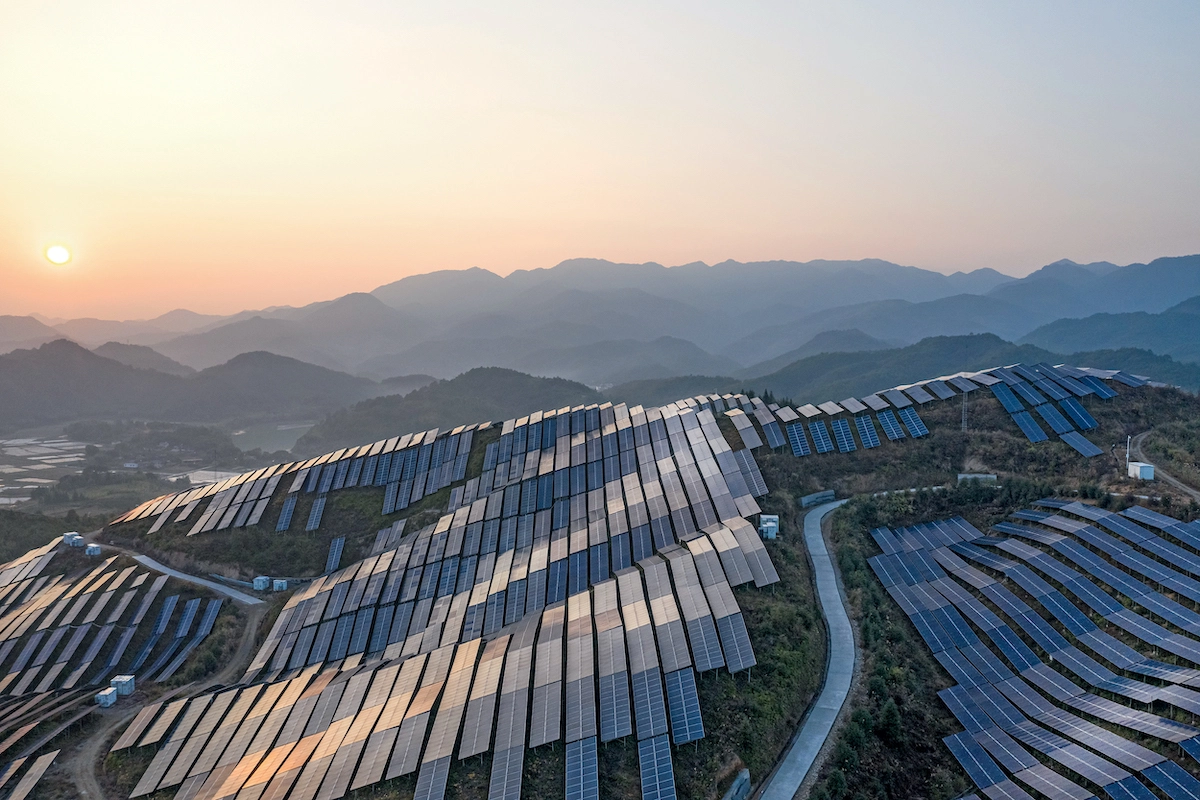
This growth stems from China’s robust policies, technological advancements, and significant investments in solar, wind, and nuclear power.
These efforts have reduced costs both domestically and globally, making renewable technologies more affordable and accessible worldwide.
China’s renewable energy boom serves as a model for other nations. Rapid deployment and technological innovation are feasible with the right support and investment.
For example, China’s advancements in solar photovoltaic manufacturing have drastically reduced global solar module prices.
This reduction enhances the economic attractiveness of solar projects globally.
Despite these strides, global renewable energy adoption remains uneven. Nearly 95% of electric vehicle sales occur in China, the United States, and Europe.
The IEA calls for stronger international cooperation to spread these technologies to emerging and developing economies. This spread is crucial for meeting global climate targets.
Global Energy Transition
Financial and policy support from developed nations and international institutions will be vital in aiding these countries’ transitions to clean energy.
China’s approach, which combines aggressive domestic policies with international cooperation, sets a critical example.
By exporting technology and expertise, China plays a key role in the global energy transition. This highlights the necessity for coordinated international efforts to achieve climate goals.
Climate change poses a global threat that requires urgent action. Renewable energy is essential for reducing greenhouse gas emissions and curbing global warming.
The transition to renewable energy also promotes energy security and economic growth. However, the uneven adoption of clean energy technologies hinders progress.
International cooperation and support for developing nations are crucial to ensuring a comprehensive global response to climate change.
This article was produced by The Rio Times’ automated newsroom system. How we use AI · Report an error
Read More from The Rio Times