China’s Renewable Energy Outpaces Thermal Power for the First Time
China has taken the lead in green energy, with renewable sources now exceeding thermal power, making over half of its electricity green for the first time.
The National Energy Administration reports that China’s renewable capacity, including wind, solar, hydro, and biomass, reached 1,450 million kilowatts this year.
Overall, the nation’s power capacity increased by 12.9 percent.
Efforts to boost wind and solar power are paying off, with these sources now generating over 1,000 million kilowatts.
This represents a significant portion of China’s new power. About one-third of the country’s energy now comes from renewables, reshaping its energy landscape.
This move places China at the forefront of global green energy, influencing markets and politics.
By prioritizing renewables, China cuts carbon emissions and lessens its reliance on imported fuels, enhancing its self-reliance.
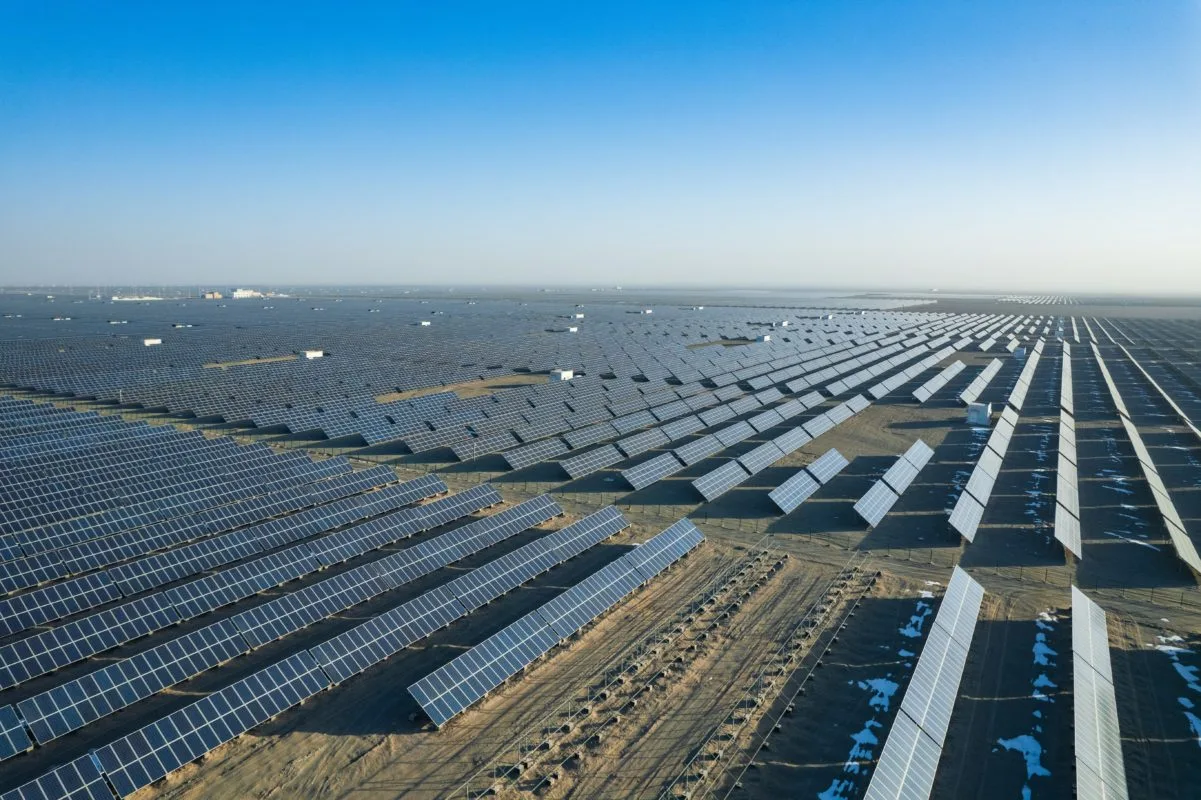
Regionally, China sets a standard for Asia, inspiring a shift away from thermal energy. Its green technology investments could encourage wider regional collaboration.
Globally, China’s progress sparks competition, especially with the US and Europe. This rivalry is likely to drive innovation and reduce costs for green technology.
Significant global influence
China’s dominance in producing key green technology components, like solar panels and wind turbines, gives it significant global influence.
This could create dependencies for countries seeking to expand their green energy capacity, affecting international trade and relations.
As China’s green sector expands, it establishes new environmental standards.
Other nations may feel pressured to accelerate their green transitions, potentially adopting China’s practices.
This is particularly relevant for developing countries seeking cost-effective green solutions.
In summary, China’s green energy advancement is reshaping global energy, politics, and environmental strategies.
It’s a significant step in the worldwide effort to combat climate change, influencing how nations approach energy and the environment.
This article was produced by The Rio Times’ automated newsroom system. How we use AI · Report an error
Read More from The Rio Times