The personal computing landscape is transforming rapidly as industry leaders like Intel, AMD, and Qualcomm compete to dominate the emerging AI PC market.
This surge is driven by AI’s potential to enhance computing, marking the most significant evolution in personal computers in decades.
At the heart of this revolution are AI-optimized PCs capable of executing over 40 trillion operations per second (TOPS).
This advancement was highlighted at the recent Computex trade show in Taipei, where companies showcased groundbreaking innovations.
Qualcomm, for instance, introduced its Snapdragon X Elite chip, set to power new notebooks from HP and Dell, available this month.
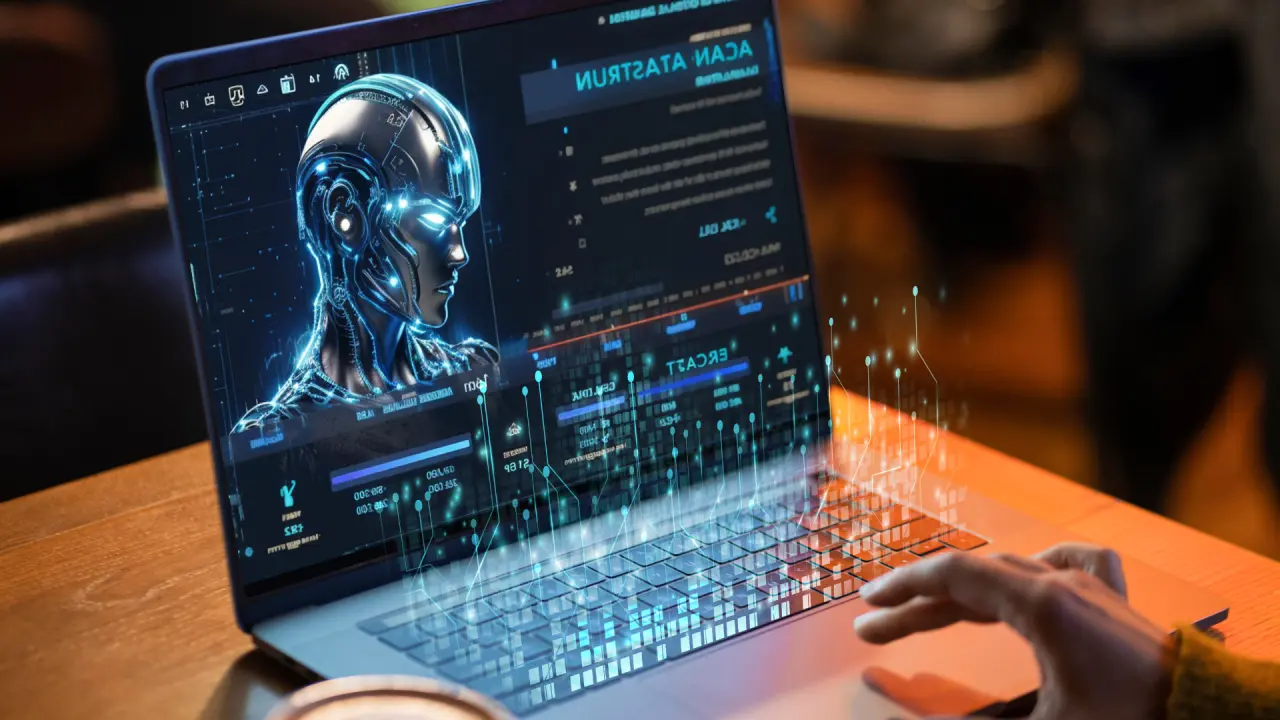
These devices will be the first to meet Microsoft’s stringent AI PC criteria, thanks to their robust processing capabilities.
Not to be outdone, Intel unveiled its Lunar Lake chipset, equipped with a neural processor boasting 48 TOPS. However, devices featuring this technology will debut later this year.
Meanwhile, AMD’s Ryzen AI 300 series has made waves by claiming the title of the “most powerful” AI chipset with 50 TOPS, with laptops incorporating these chips expected to be available starting in July.
AI’s Influence and Future Prospects
The allure of AI PCs extends beyond raw processing power. These devices promise to bring cloud-based features directly to users, such as real-time translation and AI-driven personal assistants.
This shift not only enhances functionality but also signifies a pivotal change in how PCs are used and perceived.
They are moving beyond traditional functions to a more dynamic, AI-enhanced experience.
The adoption of AI PCs is expected to grow rapidly, with projections indicating that 80% of personal computers will be AI-enabled by 2028.
The integration of energy-efficient ARM-based architectures into the PC domain fuels this growth.
Qualcomm and other chip manufacturers are betting big on this transition, anticipating that half of all PCs will soon operate on Arm’s architecture, further accelerated by Microsoft’s AI enhancements.
Despite the optimistic projections, the success of AI PCs heavily depends on consumer reception of their new features.
The industry is keenly observing whether these advanced capabilities will persuade users to upgrade from traditional PCs.
The affordability and pricing of these advanced features will also influence adoption rates.
The Future of Personal Computing
In summary, the PC market is on the brink of a major upheaval as AI becomes integral to personal computing.
Companies like Qualcomm, Intel, and AMD are not just competing on hardware but are also shaping a future where AI and computing are deeply intertwined.
This new era promises a dynamic and innovative user experience, fundamentally transforming how personal computers are used in everyday life.
As we move towards this AI-dominated future, it is crucial to consider the broader implications.
Enhanced processing capabilities can revolutionize various sectors, from education to healthcare, by providing unprecedented computational power and intelligence.
For consumers, the shift to AI PCs means more intuitive, responsive, and efficient devices, potentially transforming daily interactions with technology.
The ongoing advancements in AI and computing technology underline the importance of staying updated with these trends. They are set to redefine the technological landscape in profound ways.
This article was produced by The Rio Times’ automated newsroom system. How we use AI · Report an error
Read More from The Rio Times