Chile’s Decade of Church Arsons: Counting 296 Attacks—and Confronting the Silence
A new Chilean documentary, “Ardieron en Silencio” (“They Burned in Silence”), has done something no authority or newsroom had done before: compile a national, case-by-case count of church arsons.
The tally is stark—296 churches and chapels deliberately burned between 2013 and 2025—cutting across a country that is still largely Catholic but increasingly diverse in faith.
The film’s team pieced the picture together the hard way, pulling lists from police and prosecutors via transparency requests, cross-checking with local reporting and church records, and excluding accidents to isolate intentional attacks.
The pattern that emerges is twofold. First, a long, rural wave centered in the south—especially La Araucanía—where Catholic and Evangelical temples in small communities were attacked, often at night.
Second, a surge around the 2019–2020 protest period, when urban symbols in Santiago were targeted and fires became national spectacles.
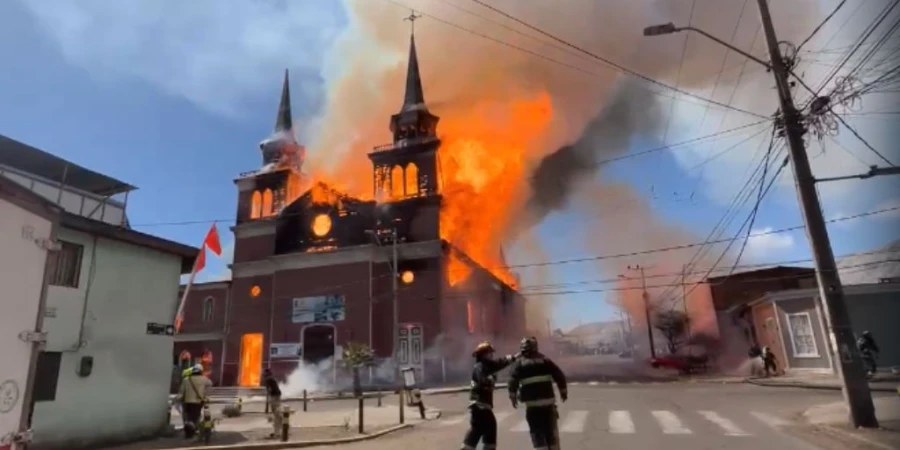
Two scenes tell the story. In central Santiago, Iglesia de la Veracruz, a 19th-century landmark, was torched in 2019 and still bears the scars.
Chile Reckons With Church Attacks and Renewal
A year later, the spire of Parroquia La Asunción collapsed in flames during demonstrations; the parish has since reopened after reconstruction.
Away from the cameras, dozens of smaller chapels were reduced to blackened beams, with congregations left to hold Mass in community halls or outdoors.
The “story behind the story” is the silence that followed many of these crimes. Chilean public life did not mount a broad, sustained rebuilding push; long stretches passed with little official urgency.
Aid groups such as ACN Chile helped fund repairs, but much of the work fell to parishioners and local donors. The documentary’s point is not to relitigate politics; it’s to put verified facts on the table so the country can move from outrage or denial to accountability and repair.
Why this matters beyond Chile: when sacred buildings burn, communities lose more than worship spaces. They lose classrooms, soup kitchens, youth programs—places where social trust is made.
The film forces a simple set of questions any democracy must answer: how to protect these spaces, how to bring arsonists to justice, and how to rebuild—physically and civically—before the next fire.
More: Chile news in English, every day from The Rio Times.
This article was produced by The Rio Times’ automated newsroom system. How we use AI · Report an error
Read More from The Rio Times