IBOV 185,637.52 ▼ 0.51% IPSA 11,421.92 ▲ 0.56% IPC MEX 63,536.96 ▲ 0.25% MERVAL 2,990,605 ▼ 0.28% COLCAP 2,570.03 ▲ 0.17% BVL PERÚ 59,529.36 ▲ 0.20% USD/BRL5.11▲ 0.05% USD/MXN17.28▲ 0.36% USD/CLP945.32▼ 0.41% USD/COP3,212▲ 1.14% USD/PEN3.35▼ 0.63% USD/ARS1,513▼ 0.08% USD/UYU40.06▲ 2.88% USD/PYG5,918▲ 3.14% USD/BOB11.85▲ 25.24% USD/DOP59.17▲ 3.53% USD/CRC445.27▲ 2.84% USD/GTQ7.63▲ 3.24% USD/HNL26.86▲ 3.32% USD/NIO36.62▲ 2.80% USD/VES850.29▼ 0.13% USD/PAB1.00— 0.00% USD/BZD2.00— 0.00% USD/JMD 157.28 — 0.00% USD/TTD6.74▲ 2.48% EUR/BRL5.85▼ 0.81% BRENT 88.88 ▼ 0.03% WTI 83.11 ▼ 0.11% IRON ORE 161.91 — — COPPER 6.61 ▲ 0.03% GOLD 4,461 ▲ 1.78% SILVER 65.59 ▲ 1.26% SOY 1,184 ▲ 3.20% CORN 480.50 ▲ 10.02% WHEAT 655.00 ▲ 3.93% COFFEE 317.25 ▼ 5.51% SUGAR 16.43 ▼ 1.79% ORANGE JUICE 138.55 ▼ 0.47% COTTON 85.03 ▲ 2.33% COCOA 5,719 ▲ 3.18% BEEF 223.60 ▼ 3.93% CATTLE 339.10 ▼ 3.16% LITHIUM 75.20 ▲ 1.47% PETR4 41.64 ▼ 0.05% VALE3 72.97 ▲ 0.83% ITUB4 38.60 ▼ 1.03% BBDC4 16.85 ▲ 0.36% ABEV3 14.89 ▼ 0.80% BBAS3 19.37 ▲ 0.47% B3SA3 14.26 ▼ 0.21% WEGE3 47.59 ▲ 0.49% PRIO3 59.14 ▼ 0.19% SUZB3 41.33 ▲ 2.35% RENT3 34.68 ▼ 0.09% AZZA3 15.89 ▼ 2.63% CSAN3 3.22 ▼ 1.83% RAIZ4 0.25 — 0.00% PCAR3 2.75 ▼ 0.36% GMAT3 3.65 ▼ 1.08% PSSA3 48.13 ▼ 0.54% CVCB3 1.33 ▼ 2.92% POSI3 3.36 ▲ 2.44% SLCE3 13.34 ▲ 0.30% NATU3 8.14 ▼ 0.73% IBOV 185,637.52 ▼ 0.51% IPSA 11,421.92 ▲ 0.56% IPC MEX 63,536.96 ▲ 0.25% MERVAL 2,990,605 ▼ 0.28% COLCAP 2,570.03 ▲ 0.17% BVL PERÚ 59,529.36 ▲ 0.20% USD/BRL 5.16 ▲ 0.01% USD/MXN 17.06 ▼ 0.24% USD/CLP 913.98 ▲ 0.04% USD/COP 3,140 ▲ 0.03% USD/PEN 3.36 ▼ 0.66% USD/ARS 1,493 ▲ 0.10% USD/UYU 40.27 ▲ 1.24% USD/PYG 5,939 ▲ 1.68% USD/BOB 11.64 ▼ 0.76% USD/DOP 58.34 ▲ 1.25% USD/CRC 445.92 ▲ 0.89% USD/GTQ 7.62 ▲ 2.21% USD/HNL 26.79 ▲ 1.57% USD/NIO 36.62 ▲ 0.69% USD/VES 762.44 ▼ 0.13% USD/PAB 1.00 — 0.00% USD/BZD 2.00 — 0.00% USD/JMD 157.28 — 0.00% USD/TTD 6.70 ▲ 0.61% EUR/BRL 5.95 ▲ 1.01% BRENT 88.88 ▼ 0.03% WTI 83.11 ▼ 0.11% IRON ORE 161.91 — — COPPER 6.61 ▲ 0.03% GOLD 4,461 ▲ 1.78% SILVER 65.59 ▲ 1.26% SOY 1,184 ▲ 3.20% CORN 480.50 ▲ 10.02% WHEAT 655.00 ▲ 3.93% COFFEE 317.25 ▼ 5.51% SUGAR 16.43 ▼ 1.79% ORANGE JUICE 138.55 ▼ 0.47% COTTON 85.03 ▲ 2.33% COCOA 5,719 ▲ 3.18% BEEF 223.60 ▼ 3.93% CATTLE 339.10 ▼ 3.16% LITHIUM 75.20 ▲ 1.47% PETR4 41.64 ▼ 0.05% VALE3 72.97 ▲ 0.83% ITUB4 38.60 ▼ 1.03% BBDC4 16.85 ▲ 0.36% ABEV3 14.89 ▼ 0.80% BBAS3 19.37 ▲ 0.47% B3SA3 14.26 ▼ 0.21% WEGE3 47.59 ▲ 0.49% PRIO3 59.14 ▼ 0.19% SUZB3 41.33 ▲ 2.35% RENT3 34.68 ▼ 0.09% AZZA3 15.89 ▼ 2.63% CSAN3 3.22 ▼ 1.83% RAIZ4 0.25 — 0.00% PCAR3 2.75 ▼ 0.36% GMAT3 3.65 ▼ 1.08% PSSA3 48.13 ▼ 0.54% CVCB3 1.33 ▼ 2.92% POSI3 3.36 ▲ 2.44% SLCE3 13.34 ▲ 0.30% NATU3 8.14 ▼ 0.73%
since 2009
Tuesday, September 22, 2026

Chile Leads Latin America in Immigration Opposition

By · October 31, 2024 · 2 min read

The LatAm Brief

One email, every weekday morning. What moved in Latin American markets, politics and expat life.

Yesterday’s subject line: “68 strikes, 223 people. A UN expert says murder.”

Free. We send a confirmation link first — nothing arrives until you click it. Unsubscribe with one click in any edition. If you stop opening us for 30 days we stop sending by ourselves, as we assume the interest is no longer there. See our privacy policy. We never share your email.

Chile’s immigration landscape has undergone a dramatic transformation in recent years. The country has seen a significant increase in its foreign-born population.

This shift has led to growing public unease and policy changes. Recent data from the Casen survey reveals that immigrants now make up 8.8% of Chile’s population.

This figure translates to approximately 1.7 million foreign-born residents. The growth has been rapid and substantial. In 2006, immigrants accounted for only 1% of the population.

This surge in immigration has not gone unnoticed by the Chilean public. A recent Cadem poll sheds light on public sentiment. It found that 75% of Chileans believe crime has increased in the past three months.

Many respondents pointed to immigration as a key factor in this perceived rise. The poll also revealed broader concerns about public safety.
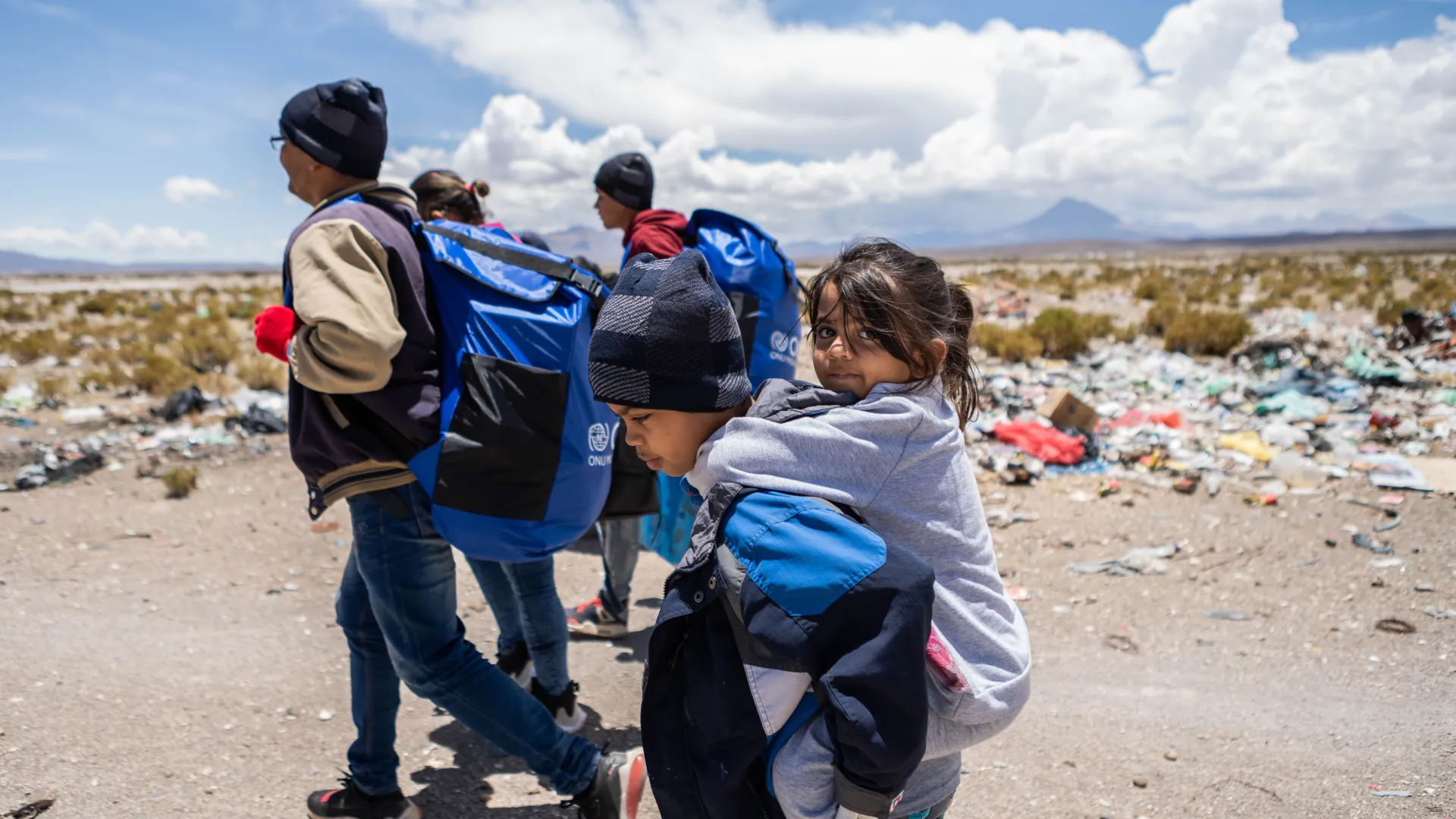
Chile Leads Latin America in Immigration Opposition
Chile Leads Latin America in Immigration Opposition.
One-stop reference
Company Intelligence
Every listed company in Latin America — financials, ownership and structure for 1,450+ companies across 26 exchanges, in one place.
Browse the directory →
RT
Ask Rio Times
17 years of Latin America reporting, on demand.
Open the full Ask Rio Times →

A staggering 89% of respondents feel that crime has become more violent compared to a year ago. Moreover, 75% expressed worry about becoming victims of crime themselves.

Chile’s Migration Policy and Social Integration Challenges

These concerns have political implications. The survey showed that 52% of respondents believe the government should address the crime issue. Another 30% see a new criminal justice reform as the solution.

The changing demographics have presented challenges for policymakers. Chile’s laws and policies often make it difficult for migrants to obtain legal status. This situation can push many to remain outside the legal framework.

In response to these challenges, the government has taken action. In February, it placed armed forces in charge of patrolling the northern border. This area has been a hotspot for irregular migration.

Despite these measures, integrating migrants into Chilean society remains a complex issue. The Casen survey found that while migrants often have more years of schooling than the average Chilean, many struggle to find jobs matching their skills.

Furthermore, migrants face precarious working conditions. A higher proportion work without contracts compared to native Chileans. This situation highlights the need for policies that address both border control and integration.

The government has acknowledged past shortcomings in migration policy. Luis Thayer, director of the National Migration Service, noted a historical lack of state involvement in this area.

He emphasized that Chile now has a policy and action plan for migrant inclusion and migration flow management. As Chile grapples with these changes, the country faces a delicate balancing act.

It must address public concerns about safety and social cohesion. At the same time, it needs to ensure the rights and integration of its growing immigrant population.

The coming years will likely see continued debate on this issue. Chile’s experience reflects broader global challenges in managing migration. The country’s response will be closely watched both regionally and internationally.

This article was produced by The Rio Times’ automated newsroom system. How we use AI · Report an error

Read More from The Rio Times

The Rio Times · Power Map
See who really holds power in Latin America
Click to open the Power Map

Rotate for Best Experience

This report is optimized for landscape viewing. Rotate your phone for the full experience.