CHILE · LABOUR LAW
Key Facts
- What Labour Minister Tomás Rau says Chile will send an omnibus labour bill to Congress in coming weeks.
- Measures The package has ten to eleven flexibility measures, including hourly contracts and a longer averaging period for weekly hours.
- 40 hours The averaging period for weekly hours would grow from 4 weeks to 16, and to 52 in tourism.
- Hourly pay Hourly contracts, a Senate bill since 2018, would be capped at 30 hours a week.
- As of Sunday, 8 November 2026, 08:00 UTC.
- Power Index Chile ranks 3rd of 14 in The Rio Times Latin America Power Index, with 62.9 points (November 2026 edition).
Chile plans a labour bill that would allow hourly contracts and lengthen the period over which the 40-hour week is averaged, a change that could reshape labour costs for companies there.
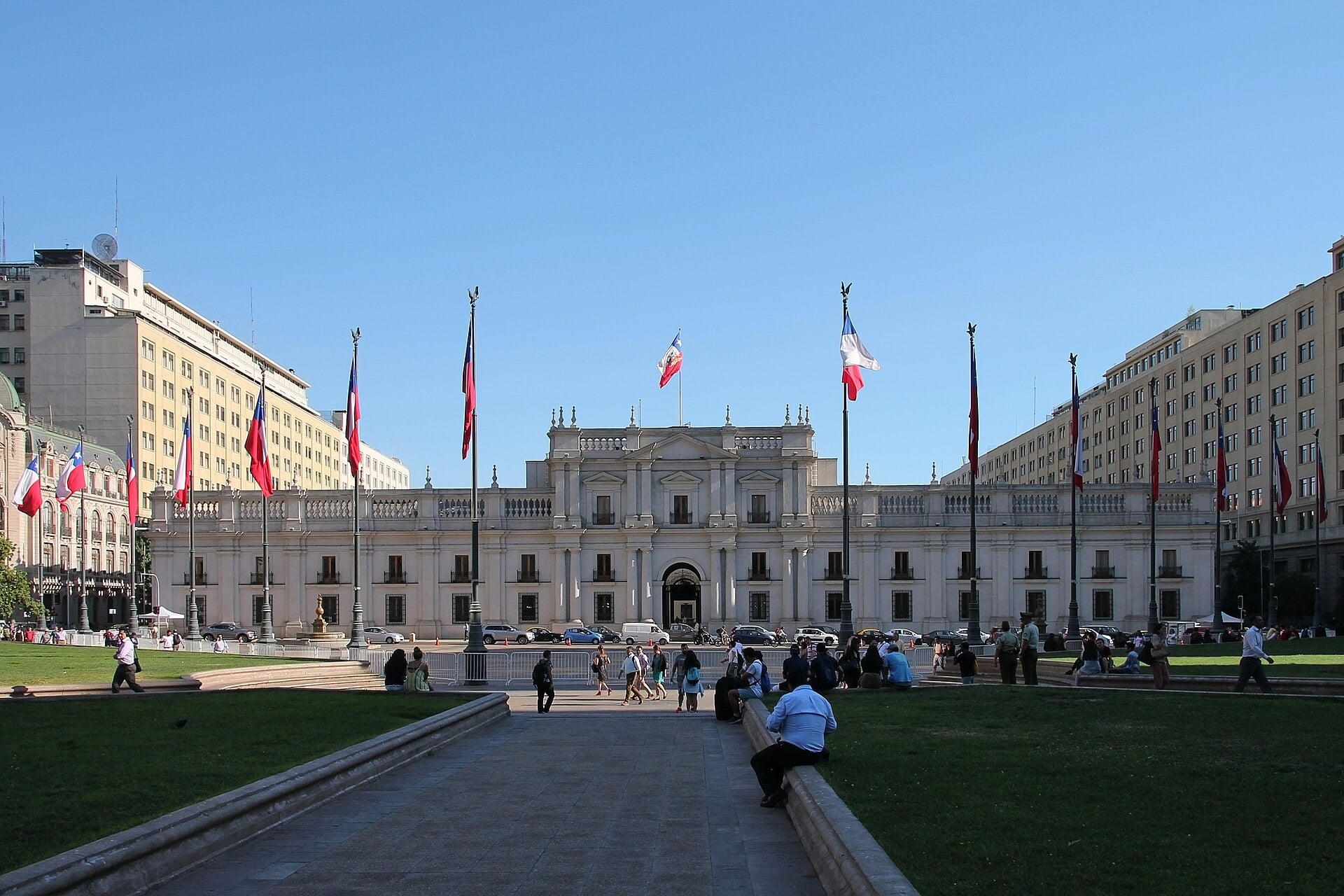
Chile’s government says it will send Congress an omnibus labour bill that would allow contracts paid by the hour and change how the 40-hour week is counted. Labour Minister Tomás Rau, who runs the ministry that sets work rules, announced it this week.
For US readers, the bill bears on labour costs at companies in Chile, including US-owned ones, from copper services to retail and hotels. Our earlier coverage of how Chile’s tax system works and delayed mining licence fees gives more context on the business climate.
What Happened
Rau, a minister in the government of President José Antonio Kast, said the package would go to Congress in the coming weeks. He described it as an omnibus bill, a single law that bundles many changes, with ten to eleven measures to make working conditions more flexible.
Rau listed hourly contracts, hybrid-work options, working-time bands and changes to hiring forms among the measures. Only some of the measures have been described publicly so far.
The 40-hour change is about averaging, not the legal ceiling. Rau said weekly hours could be averaged over 16 weeks instead of the current 4, and over 52 weeks in tourism, which covers hotels, restaurants, bars and casinos.
How Hourly Contracts Would Work
Hourly contracts are already a bill in the Senate since it was filed on 19 July 2018. The Labour Ministry says they would be capped at 30 hours a week or 120 hours a month.
The ministry says workers would keep rights under Chile’s Labour Code, the national employment law, such as pension contributions and unemployment insurance. The hourly rate would have to be more than double the hourly value of the minimum wage, and unused agreed hours would still be paid at 75%.
Employers would owe at least 24 hours’ notice of shifts. If they break the special rules, the law presumes the worker is full-time.
The omnibus text has not been filed, so these terms could change. We could not confirm the text of the new omnibus package.

Why It Matters for US Readers
Companies with Chilean payrolls, including mining contractors, retailers and hotel groups, would gain scheduling room under the bill. Costs would depend on how overtime and averaging rules finally read.
The bill does not set peso wage amounts beyond a floor tied to the minimum wage. Any later pay figures will be quoted with US$ values.
Travellers who pass through Chile’s hotels and restaurants may see more flexible shifts first, as tourism gets the longest averaging period. For a wider look at the country, see Colombia and Chile compared for visitors.
What Happens Next
The government must file the omnibus text, and Congress will then debate it in committee and both chambers. The timetable depends on when the government files the text.
What Is Not Known
We do not know the exact date the omnibus bill will be filed or the final wording of its measures. Only a few of the ten have been described publicly.
We could not confirm whether the omnibus package will reuse the 2018 hourly-contract text. No cost estimate for employers has been published.
Frequently Asked Questions
What is Chile’s new labour bill?
It is an omnibus bill with ten to eleven measures, announced this week by Labour Minister Tomás Rau. It includes hourly contracts and a longer averaging period for the 40-hour week.
Is Chile scrapping the 40-hour week?
The plans described so far change how the 40 hours are averaged, not the weekly limit itself. Rau said hours could be averaged over 16 weeks instead of 4, and over 52 weeks in tourism.
How many hours could an hourly contract cover?
The Labour Ministry says an hourly contract would be capped at 30 hours a week or 120 hours a month. That hourly-contract bill has been before the Senate since 2018.
Sources: Ministerio del Trabajo y Previsión Social de Chile, hourly contracts bill page (https://www.mintrab.gob.cl/contratos-por-hora/, read 8 November 2026); statements by Labour Minister Tomás Rau of 7 November 2026.
In depth
This article was produced by The Rio Times’ automated AI newsroom. Editorial responsibility: Matthias Camenzind, Publisher and Editor-in-Chief. How we use AI · Report an error