
CAMEROON · SAFETY
Key Facts
- The place Mount Cameroon, an active volcano over 4,000 metres high, looms above Buea and Limbe.
- What happened On Tuesday 3 November 2026 the South-West governor convened officials to prepare for a possible eruption.
- The trigger Residents of Buea felt tremors lasting 10 to 15 seconds on Friday 23 October 2026.
- The science A regional scientist sees no reason for alarm at this stage.
- The measures Chiefs must mark safe zones and evacuation routes, and awareness campaigns will start.
Authorities in Cameroon’s South-West Region have activated an emergency plan for a possible eruption of Mount Cameroon, one of Africa’s most active volcanoes. Governor Bernard Okalia Bilai, the president’s top representative in the region, chaired a meeting on Tuesday 3 November 2026.
No eruption has begun, and scientists say there is no reason for alarm at this stage. The plan follows tremors felt in Buea, the regional capital, on 23 October, and it matters to travellers, aid workers and companies with staff near the mountain.
What Happened
On Friday 23 October 2026, residents of Buea Town, Moli, Bokwaongo and Soppo felt tremors that lasted 10 to 15 seconds. Dr George Mafany Teke, the regional delegate for scientific research and innovation, then led fieldwork in eleven villages around the mountain.
Mafany Teke told the meeting that scientists judge the situation from several signals: ground deformation, temperature changes, the number and strength of tremors, and gas emissions. One tremor does not mean an eruption is near, he said.
What the Plan Orders
Traditional chiefs must identify safe zones in their villages where people could gather if an eruption begins, and evacuation routes for exposed areas. Officials also ordered awareness campaigns on volcanic risk and an update of the region’s disaster plan.
Secure shelters for displaced people are part of the plan. The meeting brought together administrators, traditional chiefs, security forces and scientists.
What History Says
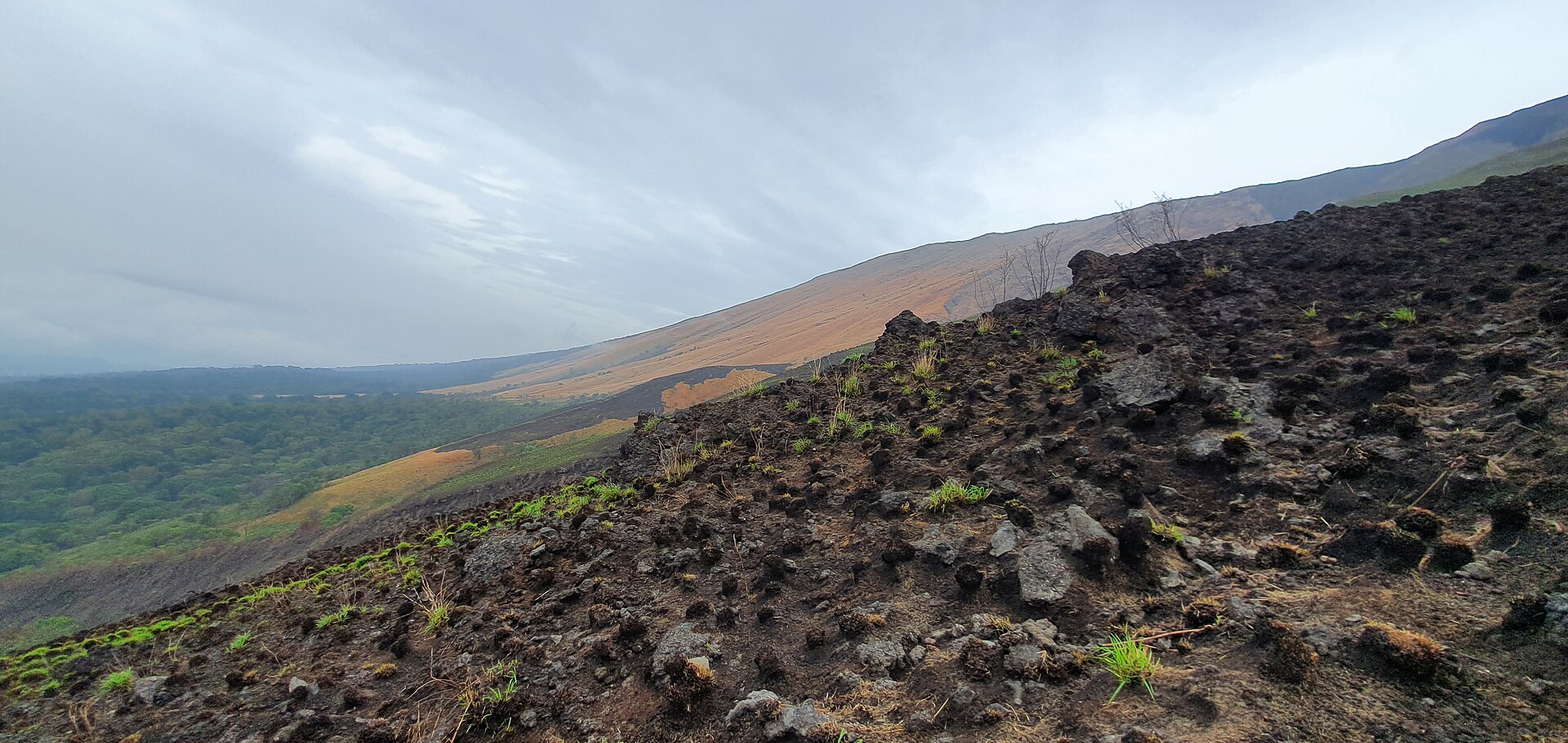
Mount Cameroon is watched by seismic stations, and local scientists describe a pattern of eruptions every 17 to 25 years. Its last major eruption was in 2000.
Its lava is usually runny and slow, but the slopes around Buea and Limbe are densely settled. Buea’s hillside buildings are also exposed to earthquake damage, officials and experts note.
What It Means for You
The US State Department advises against all travel to Cameroon’s South-West and North-West regions because of terrorism, kidnapping and armed groups. That advice already covers Buea, Limbe and the mountain trails, so US travellers should not plan trips there.
Companies with staff or plantations on the slopes should learn which evacuation points the chiefs name this week. Officials have not ordered any evacuation.
What Is Not Known
Mafany Teke said there is some magmatic activity beneath the volcano, but that this does not mean an eruption will follow. It is not known how fast that activity is changing, and no public monitoring bulletin with readings was available.
The dates of the awareness campaigns and the sites of the shelters have not been announced. It is also not known whether an evacuation exercise will take place.
More: Cameroon news in English, every day from The Rio Times. Related: Who dominates Cameroon, Cameroon steel plant blast.
Frequently Asked Questions
Is Mount Cameroon Erupting Now?
No eruption has begun. A regional scientist said on 3 November that there is no reason for alarm at this stage.
What Did the Governor Order?
Governor Okalia Bilai told chiefs to identify safe zones and evacuation routes. He also ordered awareness campaigns and an update of the disaster plan.
When Did Mount Cameroon Last Erupt?
Its last major eruption was in 2000. Local scientists describe eruptions every 17 to 25 years.
Should Travellers Go to Buea?
Officials have not ordered any evacuation. The US State Department already advises against travel to the South-West Region.
Sources: Governor of the South-West Region of Cameroon, emergency preparedness meeting of 3 November 2026; Regional Delegation for Scientific Research and Innovation, South-West Region, fieldwork in eleven villages; US State Department, Cameroon travel advisory.
This article was produced by The Rio Times’ automated newsroom system. How we use AI · Report an error · Editorial responsibility: Matthias Camenzind, Editor-in-Chief