Peru
Key Facts
—First gold pour December 23, 2025, during commissioning
—2026 production target 25,000-30,000 gold ounces, cut in July 2026 from an earlier 48,000-55,000 range and an initial 70,000-80,000 target, citing tailings-management constraints and recovery rates
—Mill capacity Ramping from 2,000 tonnes per day in 2026 toward a nameplate capacity of 3,000 tonnes per day
—Q1 2026 capex US$49.2 million spent on San Gabriel, mainly for processing plant completion
—Q2 2026 contribution 2,774 ounces of gold produced and 3,203 ounces sold, the mine’s first sales volumes
Compañía de Minas Buenaventura S.A.A. has commenced commercial production at the Buenaventura San Gabriel mine, a long-anticipated project that is already reshaping the company’s output profile and contributing to Peru’s position as a major gold producer. The mine poured its first doré bar in late December 2025 and began generating sales revenue during the second quarter of 2026.
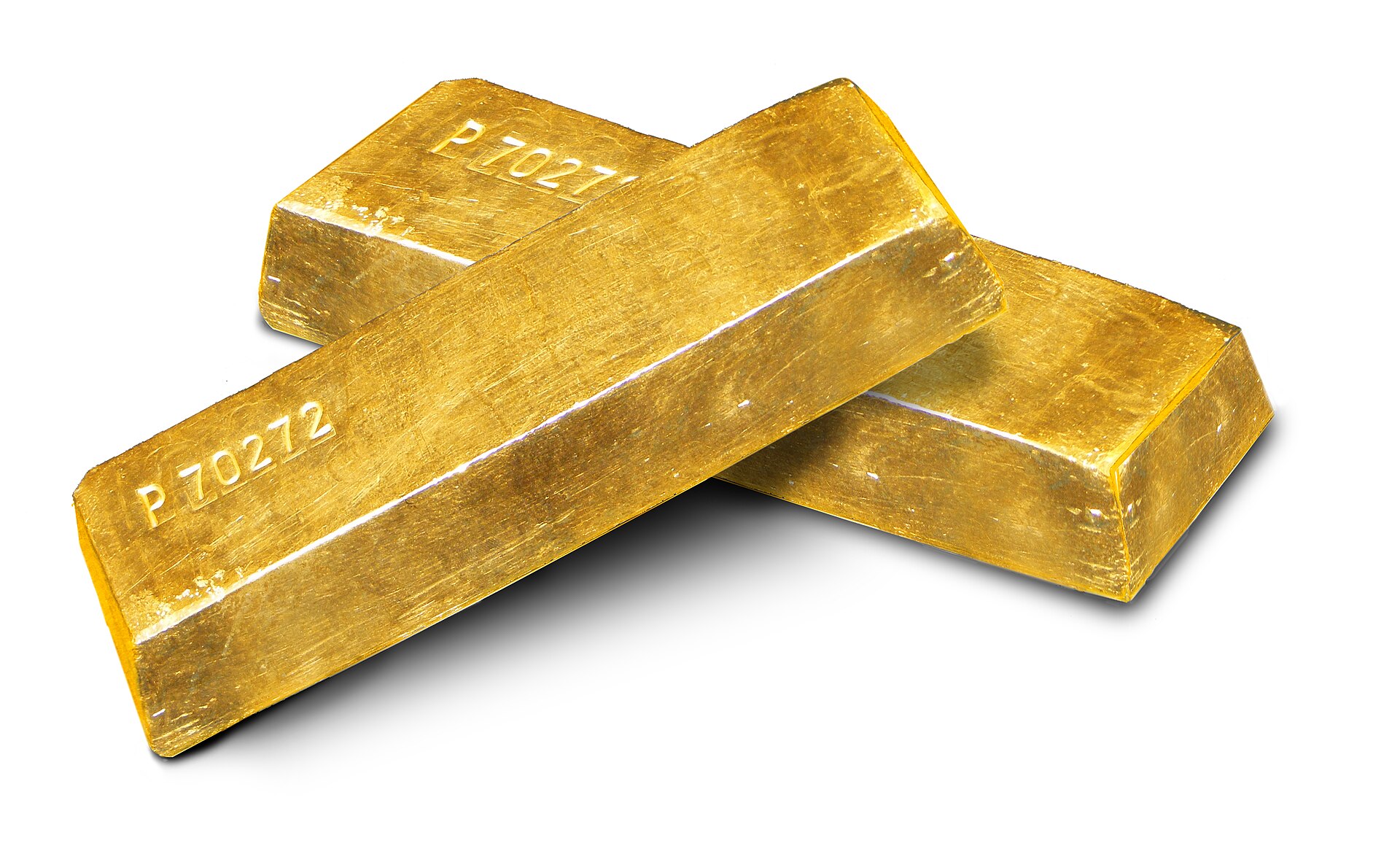
First Gold and Commissioning Milestones
The San Gabriel project achieved its first gold and silver pour on December 23, 2025, producing an initial doré bar during the commissioning phase. This milestone marked the culmination of years of development work at the site, located in the Moquegua region of southern Peru.
Following the year-end pour, the operation moved into a structured ramp-up phase during the first quarter of 2026. Buenaventura directed significant capital toward completing the processing infrastructure, reporting US$49.2 million in San Gabriel-specific capital expenditures for the first quarter of 2026. This spending was part of a total quarterly capex outlay of US$81 million, as discussed in the company’s earnings conference call.
Ramp-Up and Production Targets
Buenaventura’s operating plan for 2026 envisions a steady increase in throughput at the San Gabriel processing plant. The mill was expected to begin ramping up from a rate of 2,000 tonnes per day during the year, with a nameplate capacity of 3,000 tonnes per day targeted for later stages of the mine plan.
The company’s production guidance for San Gabriel has been subject to revision. Earlier company filings cited a 2026 target of 48,000 to 55,000 gold ounces. However, subsequent reporting has referenced an updated range of 70,000 to 80,000 ounces, suggesting a potentially more aggressive ramp-up profile or a revised corporate presentation. The discrepancy between the two figures indicates that investors should monitor official company filings for the most current guidance.
Live Market IntelligenceCommodities — Live Market Board
Rio Times · Live Market Intelligence
Commodities — Live Market Board
-0.03%
| Instrument | Last | Change | YoY | Prev. | High | Low | Volume |
|---|---|---|---|---|---|---|---|
| GOLD | 4,461 | +1.78% | +33.20% | 4,383 | 4,503 | 4,421 | 139,824 |
| SILVER | 65.59 | +1.26% | +73.05% | 64.77 | 66.98 | 64.81 | 46,406 |
| BRENT | 88.88 | -0.03% | +34.42% | 88.91 | 90.07 | 88.12 | 29,713 |
| WTI | 83.11 | -0.11% | +31.57% | 83.20 | 84.35 | 82.40 | 166,848 |
| COPPER | 6.61 | +0.03% | +46.70% | 6.61 | 6.71 | 6.61 | 39,543 |
| LITHIUM | 75.20 | +1.47% | +62.95% | 74.11 | 75.80 | 75.08 | 89,275 |
| IRON ORE | 161.91 | — | +58.10% | 161.91 | 161.91 | 1 | |
| SOY | 1,184 | +3.20% | +17.05% | 1,148 | 1,199 | 1,168 | 163,179 |
| CORN | 480.50 | +10.02% | +29.34% | 436.75 | 480.75 | 459.50 | 341,248 |
| WHEAT | 655.00 | +3.93% | +29.70% | 630.25 | 657.75 | 631.50 | 128,793 |
| COFFEE | 317.25 | -5.51% | +0.67% | 335.75 | 321.20 | 313.55 | 21,747 |
| SUGAR | 16.43 | -1.79% | -3.01% | 16.73 | 17.11 | 16.22 | 171,992 |
| COCOA | 5,719 | +3.18% | -34.96% | 5,543 | 5,779 | 5,574 | 26,773 |
| ORANGE JUICE | 138.55 | -0.47% | -45.38% | 139.20 | 141.05 | 137.50 | 703 |
| COTTON | 85.03 | +2.33% | +26.78% | 83.09 | 82.90 | 81.96 | 16,546 |
| BEEF | 223.60 | -3.93% | -5.18% | 232.75 | 226.40 | 223.00 | 16,126 |
| CATTLE | 339.10 | -3.16% | -1.82% | 350.17 | 345.50 | 338.60 | 10,164 |
| USD/BRL | 5.16 | +0.01% | -5.13% | 5.16 | 5.18 | 5.14 | — |
Commercial Debut and Q2 2026 Results
The San Gabriel mine transitioned from commissioning to commercial reality in the second quarter of 2026. The operation produced 2,800 ounces of gold during the period and, crucially, began commercialization and recorded its first sales. This contribution, combined with higher metal prices and improved production across Buenaventura’s portfolio, drove a sharp improvement in the company’s financial performance.
Buenaventura reported total revenue of US$529.0 million for the second quarter of 2026, a 43% increase compared to US$369.5 million in the same period of 2025. Earnings before interest, taxes, depreciation, and amortization from direct operations reached US$277.1 million, more than doubling the US$130.1 million recorded a year earlier. Company reporting and subsequent media coverage attributed the stronger quarter directly to the first sales from San Gabriel.
Significance for Peru’s Gold Sector
The startup of the Buenaventura San Gabriel mine represents a notable addition to Peru’s gold production landscape. As one of the country’s largest precious metals producers, Buenaventura’s new operation adds a meaningful stream of ounces at a time when the global gold market is experiencing elevated prices.
The project’s progression from construction through to commercial sales demonstrates the capacity to bring new precious metals supply online in Peru, a jurisdiction with a long mining history. The ramp-up toward a 3,000-tonne-per-day processing rate positions San Gabriel as a significant, modern gold mine within the national portfolio.
Outlook and Next Steps
With first sales achieved and the processing plant nearing completion, Buenaventura’s focus at San Gabriel will be on executing the ramp-up curve to reach nameplate capacity. The company’s ability to hit the upper end of its production guidance – whether the earlier 48,000-55,000 ounce range or the updated 70,000-80,000 ounce figure – will depend on the pace of the mill ramp and operational stability in the coming quarters.
The capital spending peak appears to have passed, with the US$49.2 million invested in the first quarter of 2026 primarily directed at finishing the plant. As the mine transitions fully to steady-state operations, San Gabriel is expected to become a cornerstone asset in Buenaventura’s portfolio, contributing sustained gold output and free cash flow to the Peruvian miner.
More: Peru news in English, every day from The Rio Times.
Frequently Asked Questions
When did the Buenaventura San Gabriel mine produce its first gold?
The San Gabriel mine produced its first gold and silver, pouring an initial doré bar, on December 23, 2025, during the commissioning phase.
What is the 2026 production target for the San Gabriel mine?
Buenaventura’s earlier company filings guided for 48,000 to 55,000 gold ounces in 2026. Some subsequent reports have cited an updated range of 70,000 to 80,000 ounces, though the conflicting figures suggest checking the latest official guidance.
How much gold did San Gabriel produce in the second quarter of 2026?
The mine produced 2,800 ounces of gold in the second quarter of 2026 and began its first commercial sales during the period.
{“@context”:”https://schema.org”,”@type”:”FAQPage”,”mainEntity”:[{“@type”:”Question”,”name”:”When did the Buenaventura San Gabriel mine produce its first gold?”,”acceptedAnswer”:{“@type”:”Answer”,”text”:”The San Gabriel mine produced its first gold and silver, pouring an initial doré bar, on December 23, 2025, during the commissioning phase.”}},{“@type”:”Question”,”name”:”What is the 2026 production target for the San Gabriel mine?”,”acceptedAnswer”:{“@type”:”Answer”,”text”:”Buenaventura’s earlier company filings guided for 48,000 to 55,000 gold ounces in 2026. Some subsequent reports have cited an updated range of 70,000 to 80,000 ounces, though the conflicting figures suggest checking the latest official guidance.”}},{“@type”:”Question”,”name”:”How much gold did San Gabriel produce in the second quarter of 2026?”,”acceptedAnswer”:{“@type”:”Answer”,”text”:”The mine produced 2,800 ounces of gold in the second quarter of 2026 and began its first commercial sales during the period.”}}]}
Connected Coverage
Sources: Compañía de Minas Buenaventura S.A.A..
This article was produced by The Rio Times’ automated newsroom system. How we use AI · Report an error
Read More from The Rio Times