Brazil Acts Against Suspected Hezbollah Activities with Key Arrest
Recently, the Brazilian Federal Police apprehended Abdulmajid in Rio de Janeiro on suspicions of recruiting for Hezbollah in Brazil.
The arrest was part of Operation Trapiche. This operation aimed to reveal key players in these recruitment activities.
Abdulmajid, originally from Syria, became a Brazilian citizen after moving to Brazil in 2008. His first arrest in Brazil occurred in 2014.
At that time, authorities caught him selling alcohol to a minor in Minas Gerais. In 2021, Abdulmajid’s actions drew the attention of the Federal Police.
They started investigating him for smuggling. As the investigation progressed, they suspected these illegal activities were funding terrorist acts.
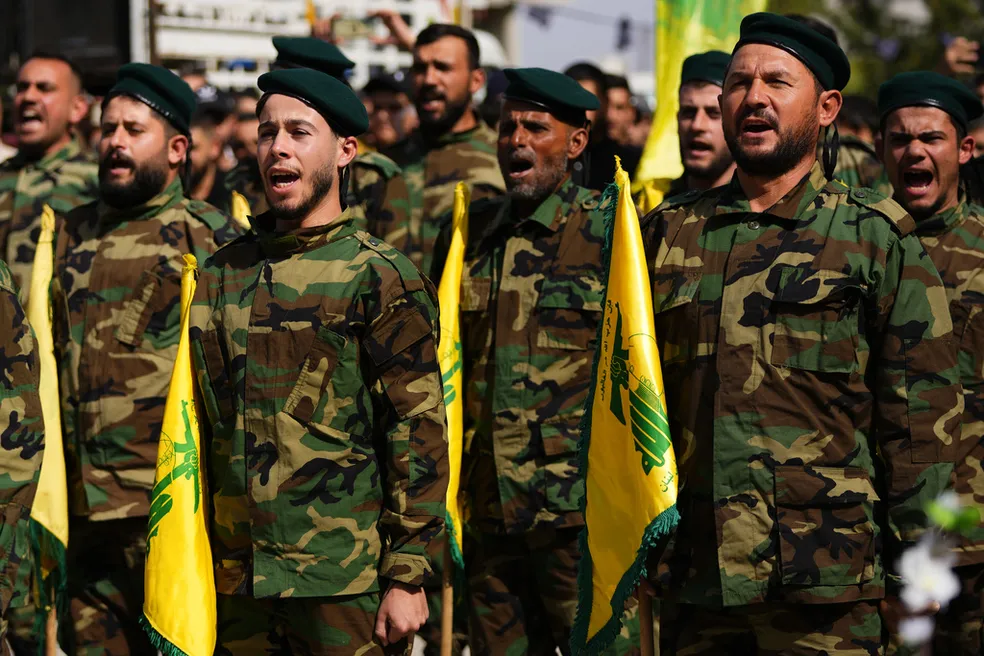
Abdulmajid once posted a photo on social media. It showed him in military clothes on an armored vehicle.
Though he deleted his profile later, this photo is now part of the investigation. Documents from Operation Trapiche suggest Abdulmajid supports Hezbollah.
There are claims he fought in the Syrian civil war in 2016. He reportedly fought for Hezbollah, which was helping Bashar Al-Assad’s government.
The police also noted that Abdulmajid might be part of Hezbollah’s armed wing.
They linked his travel to Lebanon with the backgrounds and financial struggles of the Brazilian nationals involved.
This supports the theory that there was a recruitment drive for illegal and possibly terrorist activities.
Investigators are now focusing on Brazilians Abdulmajid might have tried to recruit for Hezbollah.
So far, they believe these individuals were not ideologically or religiously connected to Hezbollah.
The Federal Police think they have stopped the growth of a mercenary network for Hezbollah.
These hired criminals, known as proxies, work for money and follow orders from others. During questioning, one suspect identified Abdulmajid.
They recognized him from a photo as someone they met in Lebanon.
Background
The arrest of Abdulmajid highlights Brazil’s ongoing struggle with international terrorism. It shows the global reach of groups like Hezbollah.
Brazil, often seen as free from such issues, is now a focus in the fight against terrorism. This case marks a significant step in Brazil’s efforts to curb international terror influences.
It also stresses the importance of international cooperation in tracking and apprehending such suspects.
Historically, Brazil has not been a major hub for terrorist activities. However, recent events indicate a shift in this trend.
This situation serves as a wake-up call for Brazilian authorities. It emphasizes the need for vigilance and stronger counter-terrorism measures.
The case of Abdulmajid is a benchmark in Brazil’s fight against terrorism. It will likely influence future security policies and international collaborations.
Brazil’s proactive approach in this case sets an example for other nations facing similar challenges.
This incident demonstrates the evolving nature of global terrorism and the need for constant adaptation in response strategies.
This article was produced by The Rio Times’ automated newsroom system. How we use AI · Report an error
Read More from The Rio Times