Brazil’s Rio Grande do Sul Faces 9% Rice Yield Decline Due to Flooding
In the fertile plains of Rio Grande do Sul, the heart of Brazil’s rice cultivation, farmers recently faced unexpected adversity.
Emater/RS reported that flooding caused a 9% drop in rice yield, from an expected 8,325 to 7,600 kilograms per hectare.
This marked a setback for the area, which produces nearly 70% of the country’s rice.
Despite challenges, Rio Grande do Sul is set to deliver 69.3% of Brazil’s rice in 2024. This amounts to 7.3 million tons, up 2.6% from last year’s total of 10.5 million tons.
The Brazilian Institute of Geography and Statistics (IBGE) noted adverse weather conditions had compounded the difficulties.
Heavy rains and prolonged cloudy spells during critical growing periods hampered cultivation efforts, directly impacting the crops’ field performance.
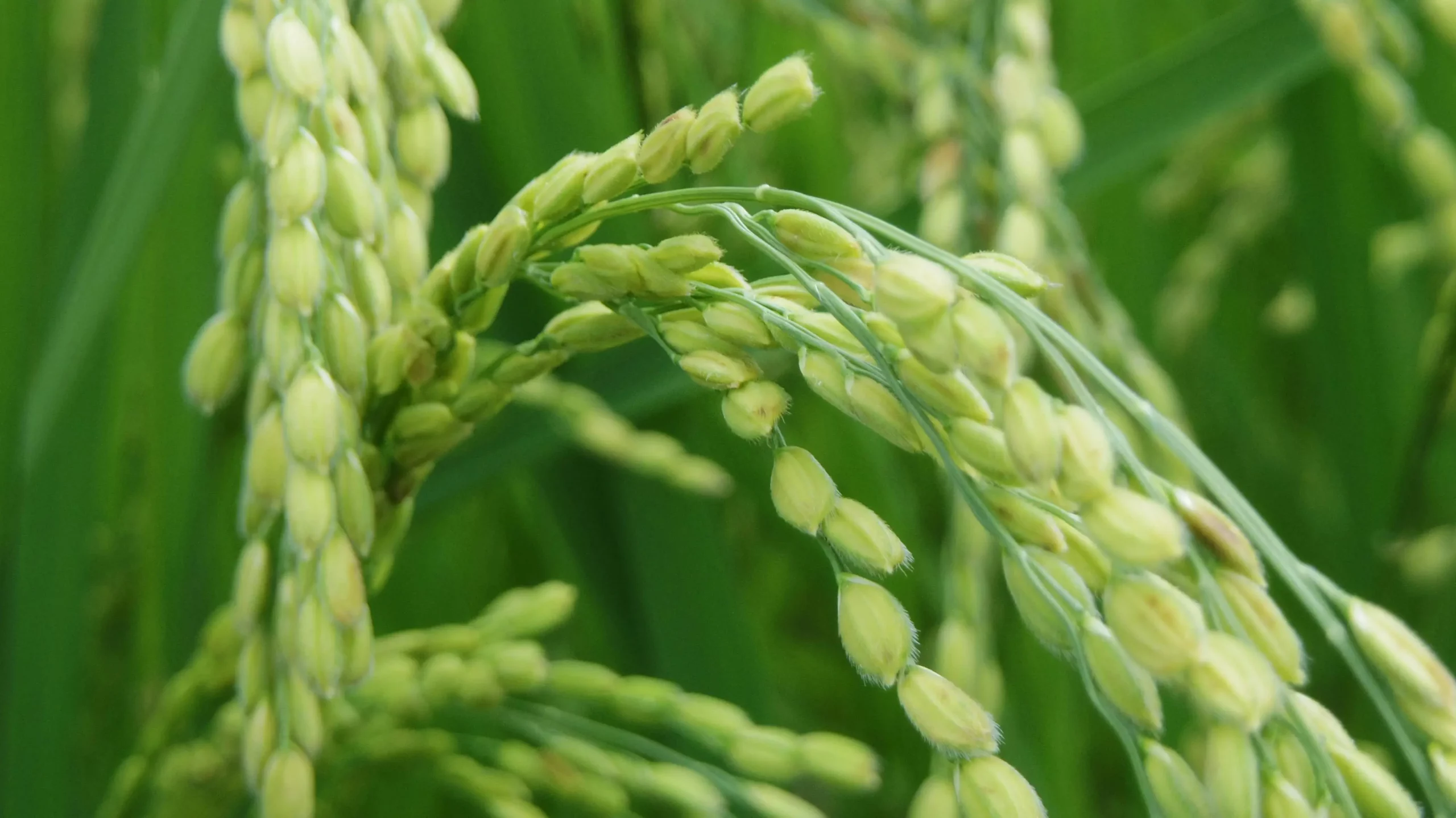
This decline in productivity not only affects the local economy but also has broader implications.
Rice is a staple in Brazilian diets, and any fluctuation in production can influence food prices and availability nationwide.
Rio Grande do Sul’s situation highlights agriculture’s vulnerability to climate change and the need for sustainable practices and effective water management.
As the state continues to navigate these challenges, the resilience and adaptability of its farmers remain crucial.
They hold the key to maintaining stability in Brazil’s rice supply and ensuring that this essential crop thrives despite environmental adversities.
More: Brazil news in English, every day from The Rio Times.
This article was produced by The Rio Times’ automated newsroom system. How we use AI · Report an error
Read More from The Rio Times