Brazil’s Global Morality Play On Israel Collides with Cracks in Domestic Democracy
(Analysis) Brazil has taken a dramatic step at the United Nations, calling out Israel’s actions in Gaza and the West Bank as extreme breaches of human rights.
The Brazilian government, under President Luiz Inácio Lula da Silva and guided by Foreign Minister Mauro Vieira, decided to join a high-profile lawsuit at the International Court of Justice.
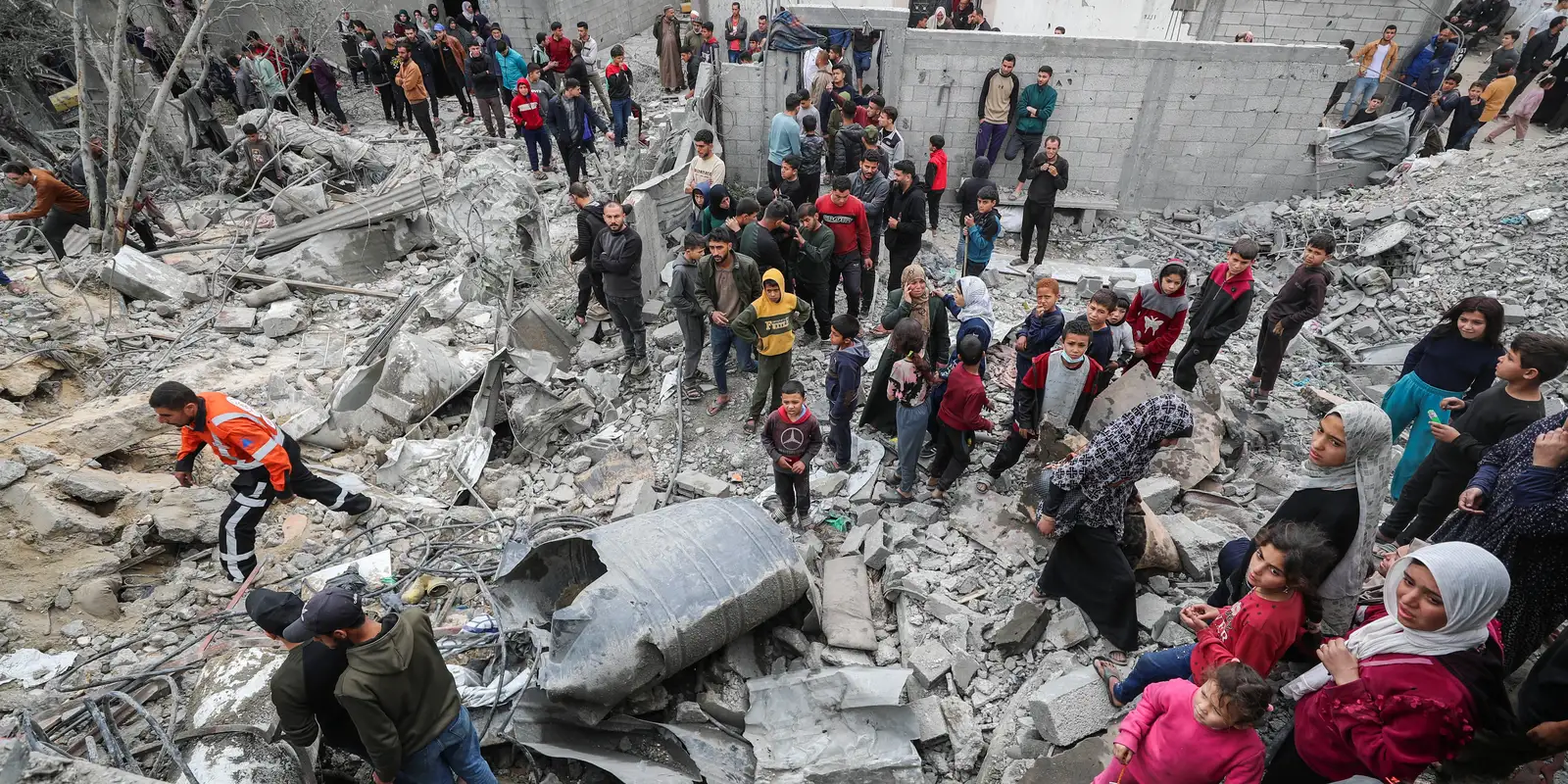
That suit accuses Israel of genocide against Palestinians and points to massive civilian casualties and destruction since October 2023. Brazil did not stop at words. Authorities withdrew Brazil’s ambassador from Tel Aviv and refused Israel’s new envoy in Brasília.
Defense cooperation took a hit: Brazil halted a $145 million contract for armored vehicles from Israeli company Elbit Systems and announced stricter rules for imports tied to settlements in contested territories.
Officials said these measures align with international law and reflect a new direction where accountability overshadows commercial or military interests. Brazil’s withdrawal from the International Holocaust Remembrance Alliance drew strong reactions from Jewish leaders worldwide.
The Brazilian government defended this move, saying current global structures do not address the urgent humanitarian crisis on the ground. The decision stirred debate but highlighted Brazil’s insistence that humanitarian law must guide today’s diplomacy.
Critics Question Brazil’s Global Stance Amid Domestic Crackdowns
At home, however, critics highlight a sharp disconnect between Brazil‘s vocal advocacy abroad and its domestic record. Observers point to a wave of legal action and bans against opposition political figures, along with increased restrictions on free expression in the media and online spaces.
Several major democracies, including the United States, have voiced concern about curbs on dissent and allegations of “lawfare” used to sideline prominent government critics.
This contrast prompts questions about the credibility of Brazil’s moral stance internationally. As the government calls for accountability and rights elsewhere, it faces ongoing scrutiny for eroding democratic norms and silencing opponents at home.
This gap underscores that forceful ideals on the world stage mean little if not matched by genuine commitment to freedom, pluralism, and rule of law within Brazil’s own borders.
More: Brazil news in English, every day from The Rio Times.
This article was produced by The Rio Times’ automated newsroom system. How we use AI · Report an error
Read More from The Rio Times