Brazil Turns to Natural Gas: Latin America’s Largest Plant Changes the Country’s Energy Game
Brazil has started a big new chapter in its energy future. At the end of May 2025, the country switched on the GNA II natural gas power plant at Porto do Açu, a private port and industrial hub in Rio de Janeiro state.
Government regulator ANEEL confirms GNA II is now the largest natural gas power station in Latin America, supplying enough electricity for eight million homes and making up about 10% of Brazil’s gas-powered generation.
But the story isn’t just about turning on the lights. Brazil invested 7 billion reais (about $1.27 billion) in GNA II after already building the earlier GNA I plant.
Together, they can now provide 3 gigawatts of reliable power. This comes at a critical time: Brazil has always depended mostly on rivers and dams for its energy, but droughts and dry seasons have made that risky.
By building massive gas plants, Brazil gains more control over its electricity and can keep business running, even if water levels fall.
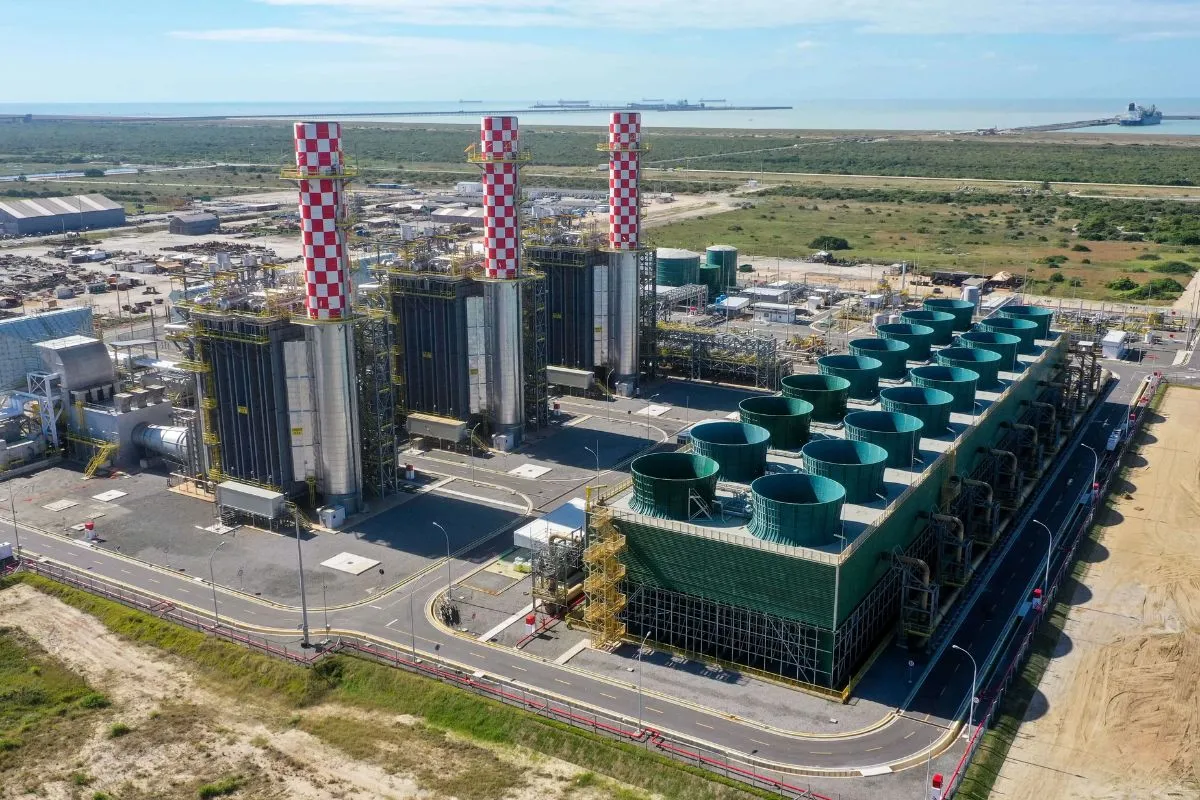
What makes GNA II stand out is its approach: it runs a combined system using three gas turbines plus a steam turbine, which means more energy with less wasted fuel. This plant can also switch to using up to 50% hydrogen in the future.
Industry data from Brazil’s oil and gas agency shows natural gas now makes up around 8.5% of all electricity produced, and keeps climbing. GNA II’s design also helps by cooling with seawater instead of drawing on the region’s stressed rivers.
The port that hosts GNA II is just as important. Porto do Açu has become one of Brazil’s busiest ports, handling about 40% of all national oil exports and providing thousands of jobs in the region.
GNA II’s construction alone created over 10,000 jobs and boosted the local economy with training programs and new opportunities for specialized workers.
For Brazil, this is a business decision as much as an energy one. By relying on more gas from its own territory, Brazil reduces the risk of price shocks from abroad and supports local industry.
This move helps guarantee power for factories and homes, pushes job creation, and keeps the national economy more stable.
While GNA II uses fossil fuels, it also prepares Brazil for a possible future where energy could come from cleaner hydrogen. For now, this giant plant shows the country betting on solid, steady power supply—on its own terms and using its own resources.
More: Brazil news in English, every day from The Rio Times.
This article was produced by The Rio Times’ automated newsroom system. How we use AI · Report an error · Editorial responsibility: Matthias Camenzind, Editor-in-Chief