Brazil’s Electoral Court Bars Pablo Marçal From Debates, TV Time and Public Funds
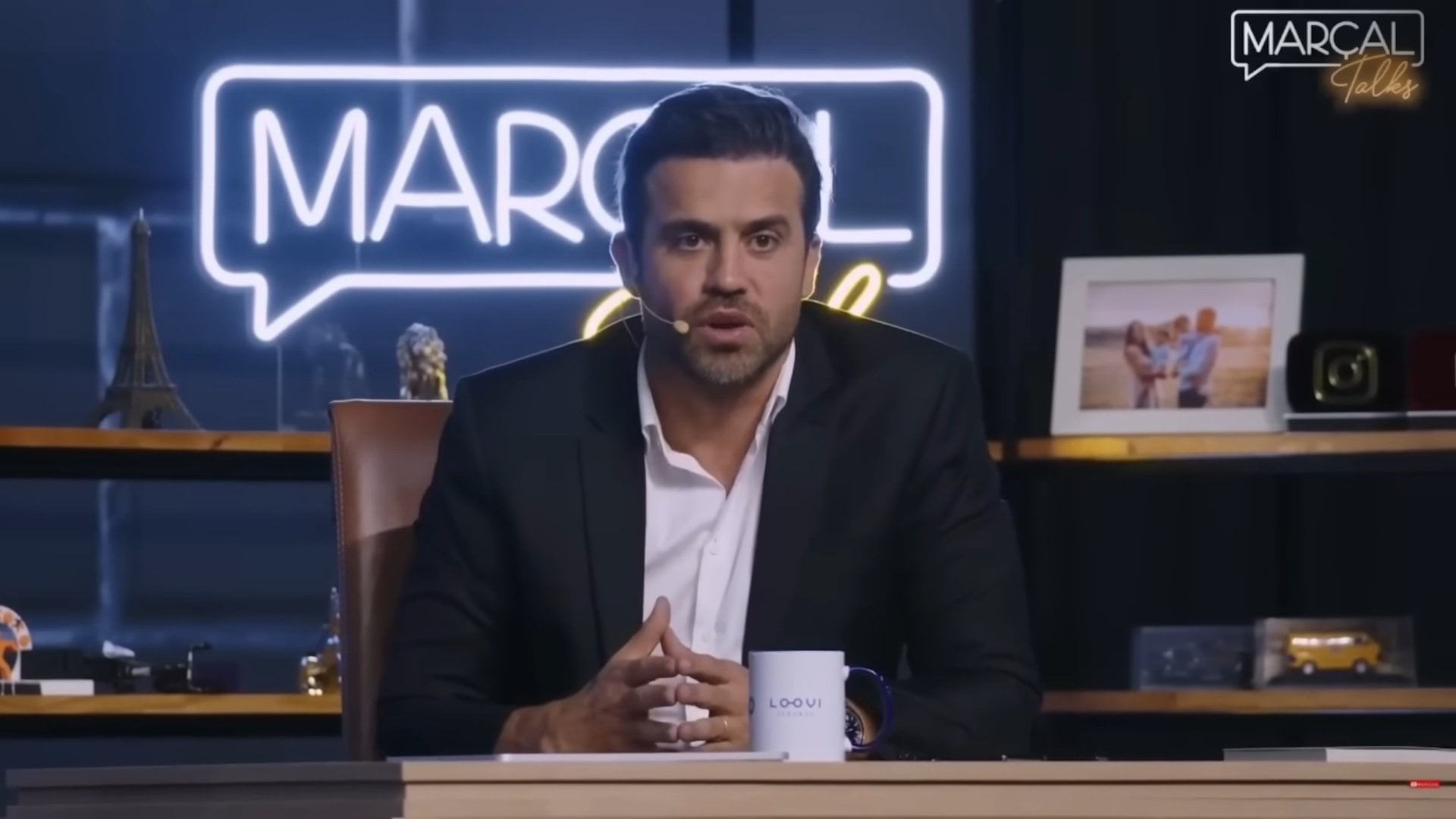
Brazil · Politics
Key Facts
- —What happened Brazil’s top electoral court stripped presidential candidate Pablo Marçal of debate slots, free airtime and public funds on Thursday.
- —How big a jump The unanimous ruling cuts him off from R$3.3 million (US$640,000) in state money and all free radio and TV time.
- —The real story The ban is precautionary, leaving Marçal formally in the race but crippled before judges decide his candidacy’s fate.
- —The catch He can still hold rallies and post online, suiting a candidate who built his following digitally.
- —Who it touches Marçal, a São Paulo mayoral runner-up barred until 2032, plus his tiny PRTB party and its millions of followers.
- —What comes next The court must rule on all thirteen presidential registrations by 14 September; the first round is 4 October.
The order landed about 16 hours after prosecutors asked judges to throw the candidacy out altogether.
Brazil’s Superior Electoral Court has stripped presidential candidate Pablo Marçal of almost everything a campaign normally runs on. On Thursday 20 August the seven-member court unanimously barred him from televised debates.
From free radio and television slots, and from public campaign money. His name is still on the paperwork, but the judges have not yet decided whether it stays there.
What Brazil’s Electoral Court Actually Ordered
The court, known in Brazil as the TSE, blocked the campaign from touching two pots of taxpayer money. Those are the electoral fund and the party fund, and both are described below.
It also shut him out of the free radio and television time every registered party normally shares. Finally, it forbade him from taking part in campaign debates.
The order is a precautionary measure, not a final verdict. So it holds only until the court rules on whether his candidacy is valid at all.
A Ruling Delivered in About Sixteen Hours
Electoral prosecutors filed their challenge at 7:08 p.m. on Wednesday 19 August. By Thursday morning the full court had already voted.
Rapporteur Estela Aranha did not wait for the case to reach the published docket. Instead she took it straight to the bench, after telling the other ministers she would do so.
Her argument was about risk. She warned that public money and public airwaves could end up funding a candidacy that is.
In her words, “legally unviable” because it probably fails a condition of eligibility.
Why Pablo Marçal Is in This Position
The businessman and online coach ran for mayor of São Paulo in 2024 and finished the race as a national figure. Then the courts caught up with him.
São Paulo’s regional electoral court convicted him of abusing economic power and misusing media during that campaign. As a result he was declared ineligible for eight years, through 2032.
He appealed, and on 5 August 2026 that court unanimously rejected the appeal. Even so, he registered for the presidency ten days later, on 15 August.
Free Campaign Airtime and the Election Fund, Explained
Brazil bans paid political advertising on radio and television. In exchange, broadcasters must give parties free blocks of time in the weeks before the vote.
Split according to how many seats each party holds in Congress. That block is called the horário eleitoral gratuito, and in 2026 it starts on 26 August.
For a small party it is often the only way to reach voters who are not online. Campaigns are also mostly bankrolled by the state.
The 2026 electoral fund holds R$4.96 billion, about US$956 million at 5.19 reais to the dollar on 20 August. And a separate party fund covers year-round running costs.
Marçal’s party, the PRTB, is tiny and missed the performance threshold. Because of that, its share was only the flat minimum of about R$3.3 million, roughly US$640,000.
What the Candidate Can Still Do
The court did not ground the campaign entirely. Prosecutors had asked for a wider ban covering other campaign acts, and the judges did not go that far.
He can still hold rallies, walk through markets, hand out leaflets and post on social media. He can also raise and spend private money.
In practice that suits a candidate who built his following online rather than on television. Still, losing the free slots removes the one channel that reaches voters who do not follow him already.
The Push to Cancel the Candidacy Is Still Live
The bigger question has not been answered. Prosecutors want the court to reject his registration outright, and that request is still waiting to be judged.
Under Brazilian law a candidate whose registration is under review may campaign at his own risk. That is why the interim ban, which limits him before any final ruling, drew attention from election lawyers.
The court has until 14 September to decide all thirteen presidential registrations. The first round is on 4 October.
The Running Mate and His Criminal Case
Marçal’s vice-presidential pick is Leonardo Alves de Araújo, widely known as Leonardo Avalanche. He has led the PRTB nationally since February 2024.
Prosecutors in São Paulo charged him in January 2026. And the court upheld the charges about three months later, making him a defendant.
The accusations include criminal association and gender-based political violence. The complaint was brought after Rachel de Carvalho, elected vice-president of the party’s national board, reported threats and harassment.
The file is under seal, so details are limited. These remain accusations, and he is presumed innocent unless convicted.
He denies all of it, says the internal party election followed the law, and has called recordings attributed to him doctored.
What Marçal Has Said
Before the ruling he was pushing hard to get on stage. His team sent a formal letter to the Band television network asking to be added to the 23 August debate.
He had already been left off the invitation list for that debate, which Band is running with the newspaper Estadão. “I am going to take part in the debates,” he told reporters on 17 August, predicting the next poll would change everything.
No direct response from him to Thursday’s order had been reported by the end of the day. His broader line has been that he will keep fighting the ineligibility ruling in the courts.
Why This Matters for October
Brazil’s presidential race is already crowded and bad-tempered, with thirteen names on the ballot. Marçal drew large numbers in 2024 and splits the vote on the right.
By contrast with a straight disqualification. This order leaves him formally in the race while stripping the tools that make a race competitive.
That halfway status is awkward for everyone. For foreign readers the wider point is simple.
In Brazil the state largely pays for campaigns and hands out the airtime. Which gives judges unusual leverage over who can realistically compete.
More: Brazil news in English, every day from The Rio Times.
Is Pablo Marçal still a candidate?
Yes, for now. His registration has been filed and the court has not ruled on it.
What exactly was he barred from?
Public campaign money from the electoral and party funds, free radio and television slots, and participation in debates. Rallies, leafleting and social media were not blocked.
Why is he ineligible until 2032?
São Paulo’s regional electoral court convicted him of abusing economic power and misusing media in the 2024 mayoral race. That carries an eight-year ban, and his appeal was rejected on 5 August 2026.
When will the court decide on his candidacy?
It has until 14 September 2026 to rule on all thirteen presidential registrations. Brazil votes in the first round on 4 October.
Connected Coverage
Sources: O Globo; G1; Folha de S.Paulo; Correio Braziliense; Estadão; Superior Electoral Court (TSE).
Frequently Asked Questions
This article was produced by The Rio Times’ automated newsroom system. How we use AI · Report an error · Editorial responsibility: Matthias Camenzind, Editor-in-Chief