Brazil’s Defense Eyes Tech Independence with New UAS Pact
The Brazilian Air Force (FAB) signed a Memorandum of Understanding with Stella Tecnologia.
This pact focuses on unmanned air systems, known as UAS. Both parties aim for Intelligence, Surveillance, and Reconnaissance (ISR) advances.
Additionally, they focus on Search and Rescue (SAR) and ground-weapon use.
The signing event occurred in Brasilia. Air Force Commander Marcelo Kanitz Damasceno led the ceremony.
Gilberto André Buffara Junior, Executive VP of Stella, also attended. Together, they will outline guidelines for UAS and other enabling tech.
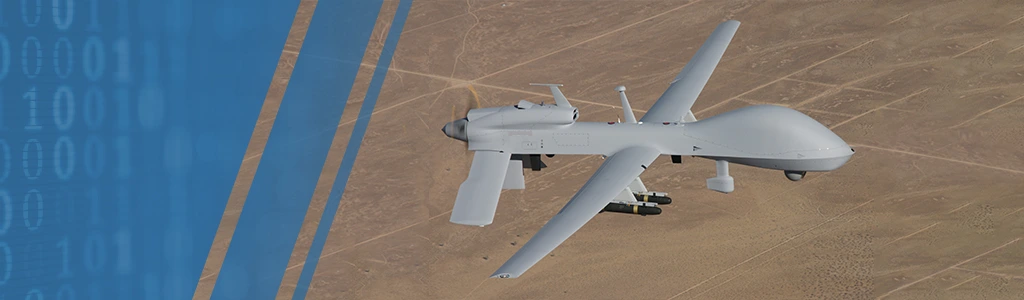
Importantly, they will involve Brazil’s Defense Industrial Base and scientific institutions in the project.
Damasceno emphasized the deal’s alignment with Capability-Based Planning. He also mentioned its importance for Brazil’s technological self-reliance.
“Deploying a fully domestic drone would be wonderful,” he said.
In summary, the MOU is a step toward enhancing Brazil’s defense and tech independence. It joins military, industrial, and scientific sectors in a common goal.
This initiative aims to modernize air capabilities and solidify Brazil’s standing in aerospace tech.
Background Brazil’s Defense
This partnership indicates a strategic shift in Brazil’s military capabilities. By focusing on drones, the FAB is embracing modern warfare techniques.
Furthermore, the collaboration with Stella Tecnologia signals a focus on domestic innovation.
This move could spur growth in Brazil’s tech industry, creating more jobs and expertise.
The deal’s emphasis on ISR and SAR shows an understanding of drones’ diverse applications.
This isn’t just about combat; it’s about improving national security and disaster response.
It also underlines Brazil’s desire for tech sovereignty, reducing reliance on foreign equipment.
In the long run, this could make Brazil a competitor in the growing global market for unmanned aerial tech.
This article was produced by The Rio Times’ automated newsroom system. How we use AI · Report an error · Editorial responsibility: Matthias Camenzind, Editor-in-Chief
Read More from The Rio Times