Brazilian Military Eyes Musk’s SpaceX for Rocket Launches in Alcântara
President Lula da Silva recently signed a bill to create Alada, a new public aerospace company. This initiative aligns with the Brazilian Air Force’s plan to transform the Alcântara base in Maranhão into a rocket launch hub.
The military has set its sights on a potential client: Elon Musk’s SpaceX. A report by an interministerial group, including Air Force officers, advocates for Alada’s primacy in the commercial exploitation of private activities at the site.
The market study praises SpaceX as one of the most innovative companies in the sector, highlighting its reusable rockets and Starlink satellite network. The Brazilian Armed Forces already maintain partnerships with Musk’s enterprises.
In August, the Amazon Military Command contracted Starlink’s internet service for R$5 million ($892,857). This contract is currently under investigation for alleged favoritism in the bidding process.
Lula has criticized Musk due to disputes between the entrepreneur and Brazil’s Supreme Federal Court. Despite these tensions, the military sees potential in collaborating with SpaceX.
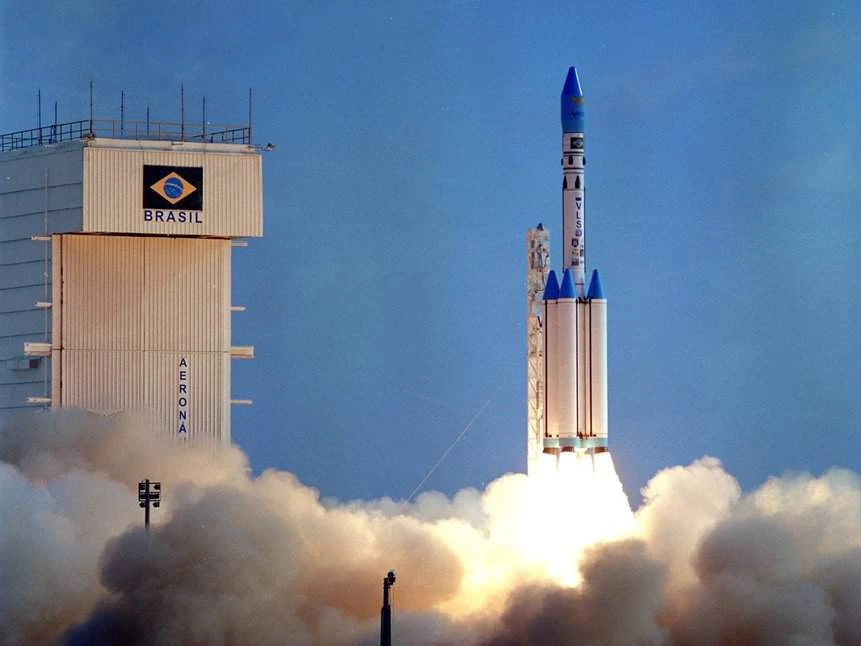
If created, Alada will depend on Treasury resources and operate as a subsidiary of Navi Brasil. The military believes Algeria’s proximity to the equator provides a competitive advantage over other launch centers worldwide.
A Strategic Investment in Aerospace
The project requires significant public investments. The construction of a port terminal in Alcântara and related infrastructure could cost up to R$11 billion ($1.96 billion). The funds would come from government development programs.
The military views these investments as strategically important for national sovereignty. They aim to develop a consistent space program to foster technological development and economic growth.
Alcântara Launch Center, founded in 1983, has a history that includes a tragic accident in 2003. Currently, the Air Force has contracts with Innospace and C6 Sistemas for 16 launches over five years.
The military plans to increase the base’s utilization through new agreements with Algeria. This ambitious project reflects Brazil’s desire to establish itself in the global aerospace industry.
However, it raises questions about the balance between public investment, private sector involvement, and national interests. The coming years will reveal how this plan unfolds and its impact on Brazil’s technological and economic landscape.
This article was produced by The Rio Times’ automated newsroom system. How we use AI · Report an error
Read More from The Rio Times