Brazil Supreme Court Votes on Moraes Police Report
BRAZIL · SUPREME COURT
Key Facts
- —Who Alexandre de Moraes, a justice of Brazil’s Supreme Federal Court, the country’s highest court and its most powerful political institution.
- —What happened The Federal Police sent the court a report on payments he allegedly received. The other justices met on Tuesday morning to decide what to do with it.
- —Why it is unusual A Brazilian Supreme Court justice can only be investigated with the permission of his own colleagues. That permission has almost never been granted.
- —His answer A 44-page defence filed in the small hours of Tuesday. He says he never judged a case involving the bank at the centre of the allegations.
- —What is at stake If the court opens an inquiry, a sitting justice becomes a formal suspect for the first time in the court’s modern history.
- —When you will know The session began at 10am Brasília time on Tuesday, 15 September.
Eleven justices normally sit on Brazil’s Supreme Court. On Tuesday morning ten of them met to decide whether to investigate the eleventh.
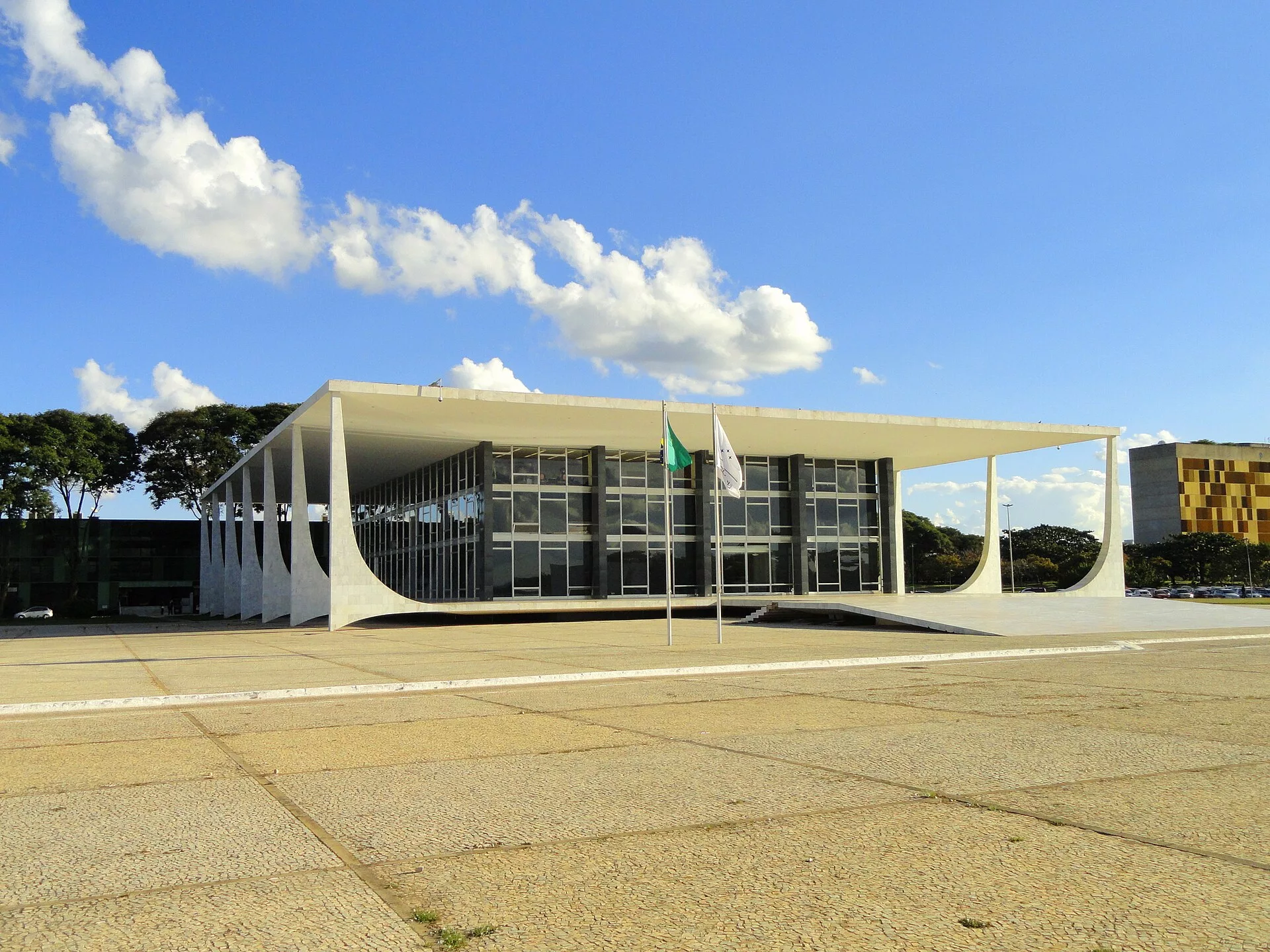
Brazil’s Supreme Federal Court opened an extraordinary plenary session at 10am on Tuesday. The justices had to decide whether to accept a Federal Police report implicating one of their own, Alexandre de Moraes. He filed a 44-page denial hours earlier.
What the Court Was Asked to Decide
The case is registered as Petição 16.662/DF. It is not a trial and it is not a verdict.
The question was narrower, and in Brazilian practice decisive. Should a Federal Police report become the basis for a formal inquiry into a colleague?
Under the Brazilian constitution, a Supreme Court justice can be criminally investigated only with the authorisation of the court itself. The rule exists to stop prosecutors and police from pressuring judges.
In practice it has meant that reports of this kind rarely survive the first meeting. That is what made Tuesday’s session unusual enough to fill the press gallery.
The Rapporteur Changed, and Most Coverage Missed It
The report landed with Justice André Mendonça. It no longer sits there.
Edson Fachin assumed the relatoria on 12 September, three days before the session. A great deal of Portuguese-language coverage still names Mendonça.
Fachin is among the court’s more procedurally conservative members and has spent much of his career on electoral law. He also has history with Moraes, having sat alongside him through the Bolsonaro coup trial.
Mendonça’s own conduct is a separate matter. That one is scheduled for 23 September.
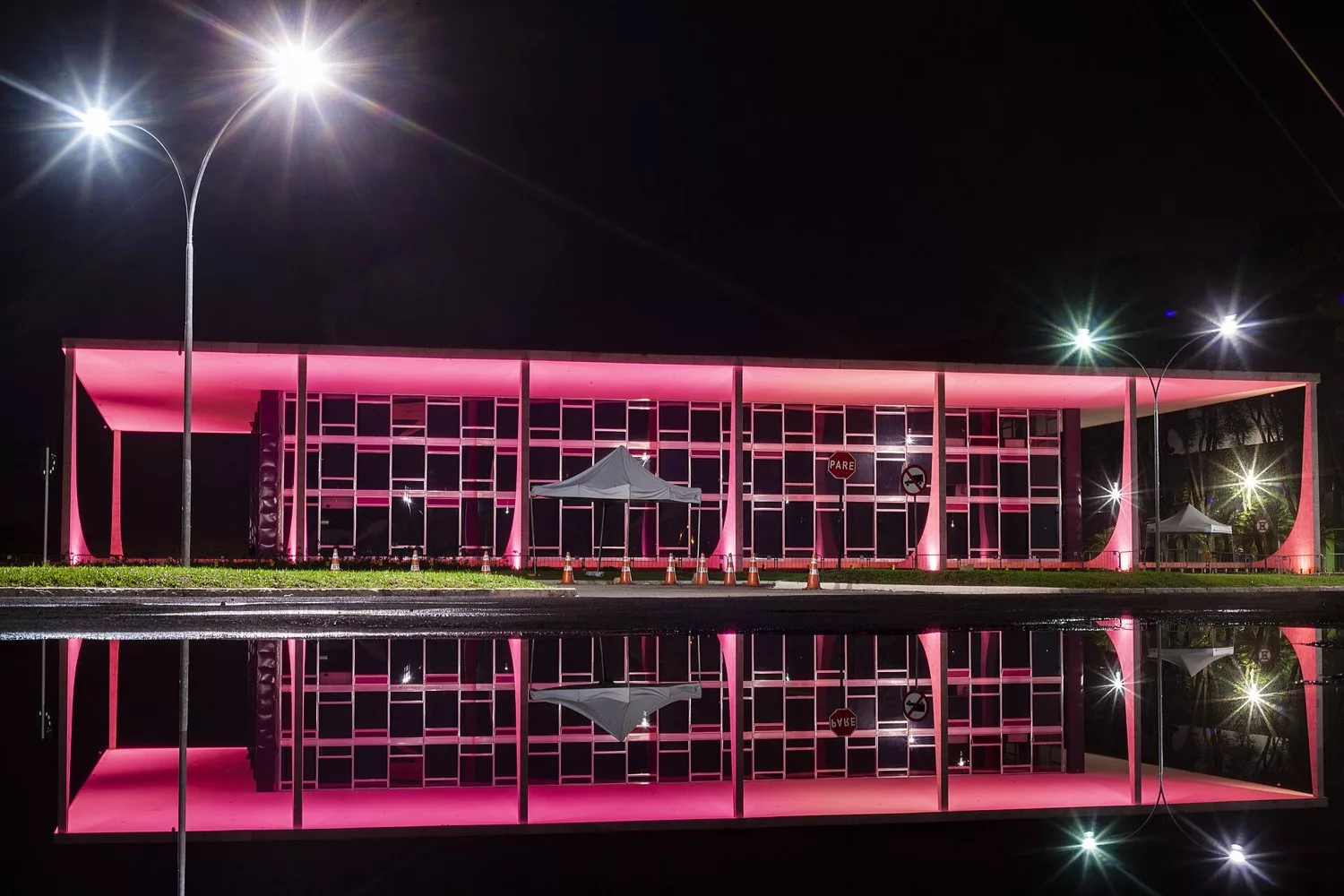
A Court of Ten
Moraes was expected to recuse himself, though the court did not formally confirm it before the session opened.
That leaves ten justices to decide. There is no automatic tie-breaker in a plenary of even number, which is one reason the outcome was genuinely uncertain going in.
The chief justice presides. The rapporteur presents. Each justice then votes in order of seniority, in public, on live television.
Brazilian Supreme Court sessions are broadcast in full on the court’s own channel. Most democracies have no equivalent.
What Moraes Said in His Defence
The defence ran to 44 pages and was filed in the madrugada, the small hours of Tuesday morning, before the session began.
Its central claim is a flat denial. Moraes writes that he JAMAIS JULGOU — never judged — any case involving Banco Master or the businessman Daniel Vorcaro.
On the allegation of a second contract, the filing states INEXISTIU SEGUNDO CONTRATO. There was no second contract.
The messages cited in the police report are described as DIÁLOGOS FANTASIOSOS, fanciful dialogues. The whole exercise, the document argues, is a tentativa de vingança, an attempted act of revenge.
CNN Brasil counted the word “illegal” 26 times across the filing. The strongest contiguous phrase Moraes uses is DECISÃO INCONSTITUCIONAL, TOTALMENTE IRREGULAR E NULA.
The Money the Report Describes
The first contract dates from January 2024. It was worth R$131.3 million gross, about US$24.5 million, or R$108 million net, roughly US$20.1 million, across three years.
A second agreement is alleged to date from May 2025 and to involve a company called Viking Participações. It would have been worth up to R$50 million, some US$9.3 million.
Moraes denies the second one exists. He does not dispute the existence of the first, only that it has anything to do with any case before him.
None of these figures has been tested in court. They come from a police report that the justices were meeting to decide whether to accept at all.

Brasília Prepared for Trouble
Security was reinforced across the Praça dos Três Poderes. That is the plaza in central Brasília holding the Supreme Court, the presidential palace and Congress.
The same square was stormed on 8 January 2023 by crowds who had spent weeks camped outside army barracks. The court’s own building was gutted.
Nothing comparable was expected on Tuesday. The precaution reflects how little the institutions now assume about crowd behaviour in that plaza.
For anyone living in Brasília, the effect is closed lanes around the Esplanada dos Ministérios. Police presence is heavier than on a normal Tuesday.
Why This Is a First
Brazilian justices have been accused of things before. Reports have reached the court and been buried without a vote.
What has not happened is this. The full plenary, in public session, ruling on a police report that implicates a sitting member of the bench.
That is the narrow and defensible claim. It is not the first investigation of a justice, and it is not an impeachment, which only the Senate can conduct.
It is the first time the institution has been made to answer the question out loud, with the cameras on.
What Happens Next
If the court accepts the report, an inquiry opens and Moraes becomes a formal suspect. He would remain a justice throughout; Brazilian law does not suspend a judge for being investigated.
If the court rejects it, the report dies and the Federal Police would need new material to try again.
Either way the 23 September session on Mendonça follows, and the wider Banco Master investigation continues on its own track.
The Supreme Court’s standing with the public is the quieter casualty. A Quaest poll published this week found 56% of Brazilians distrust the court, up ten points from 46%.
More: Brazil news and analysis, every day from The Rio Times.
Frequently Asked Questions
What did Brazil’s Supreme Court vote on?
Whether to accept a Federal Police report implicating Justice Alexandre de Moraes as the basis for a formal inquiry. The case is Petição 16.662/DF.
Who is the rapporteur?
Edson Fachin, who assumed the role on 12 September. Much coverage still names André Mendonça, who held it earlier.
How many justices voted?
Ten. Moraes was expected to recuse himself from a court that normally seats eleven.
What does Moraes say?
That he never judged a case involving Banco Master or Daniel Vorcaro. He says no second contract existed and the messages cited are fabrications.
Can a Supreme Court justice be removed in Brazil?
Only by the Senate, through impeachment. An inquiry does not suspend a justice from the bench.
When is the next hearing?
A separate session on Justice André Mendonça’s conduct is scheduled for 23 September.
Sources: Supremo Tribunal Federal, CNN Brasil, Folha de S.Paulo, O Globo, Quaest/Globo, Agência Brasil.
This article was produced by The Rio Times’ automated newsroom system. How we use AI · Report an error
Read More from The Rio Times