V.I.S.U.S, a prototype of Innovative Social Urban and Sustainable Housing in Argentina
By Agustina Iñiguez
RIO DE JANEIRO, BRAZIL – The Provincial Contest of Ideas and Preliminary Projects for the development of a prototype of Innovative Social Urban and Sustainable Housing (V.I.S.U.S) was organized by the College of Architects of the Province of Córdoba. Promoted by the Construction Cluster of the Province of Córdoba and with the support of the ADEC Competitiveness Fund, it seeks to improve the situation of the growing existing housing deficit by promoting debate and discussion about how architects respond to multi-family homes in horizontal property as well as single-family homes of social interest in Argentina.
The idea focuses on providing typological proposals with positive solutions to this problem, contemplating the incorporation of sustainability principles from three dimensions (economic, social and environmental) and taking as a reference the standards established by NZEB (“Nearly Zero Energy Building” or “Zero Net Energy Buildings”). In addition, another of the main objectives of the contest was to promote the industry of Córdoba in up to 80% of incidence.
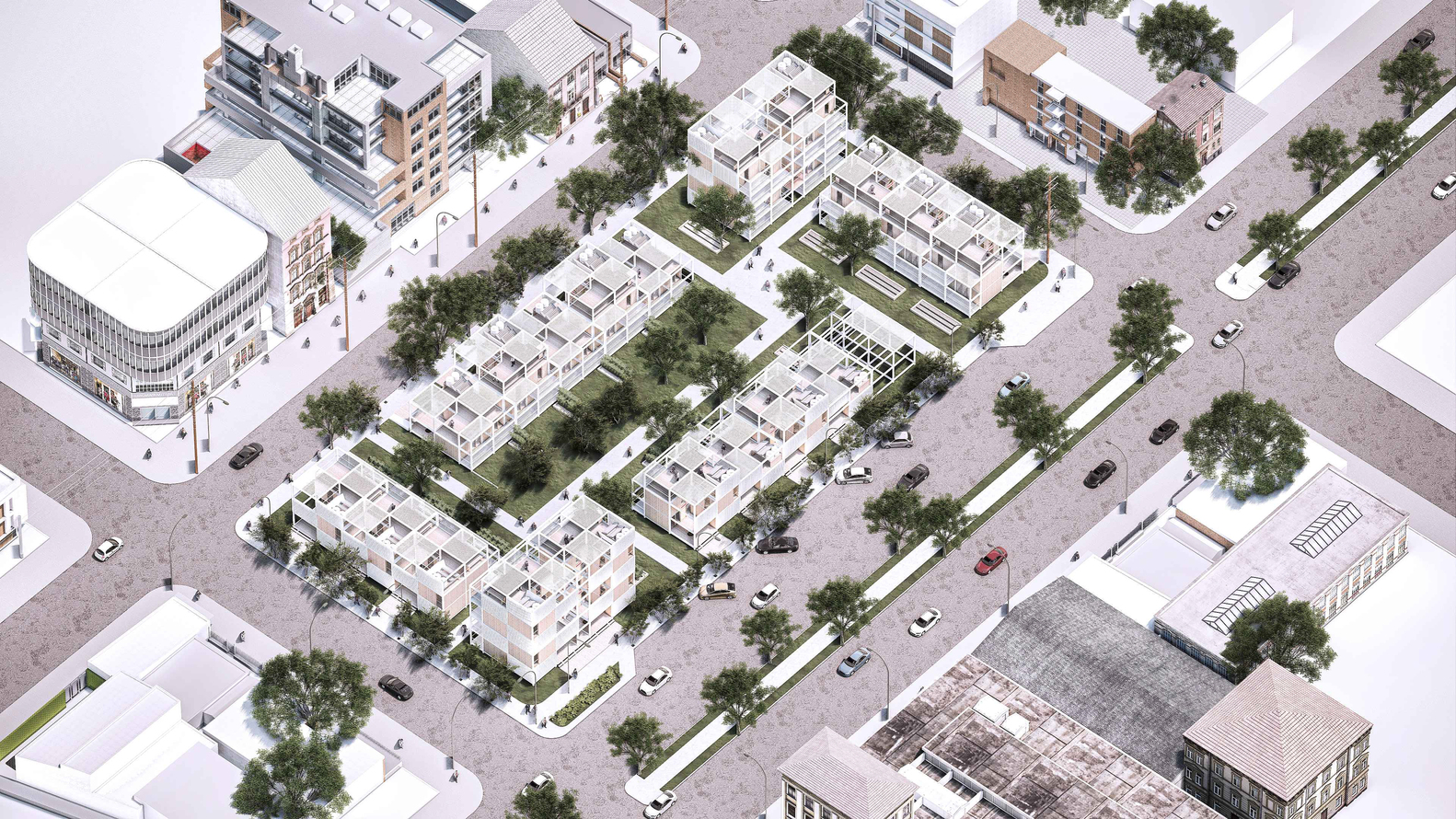
The jury awarded the first prize to the author architect Pablo Senmartin (APS / Pablo Senmartin architects) together with his collaborators Camila Nieto, Araceli Camargo, Valentín Vodanovic, Fabio Jaldín, Micaela González, Laura García, Antonella Ibañez and Manuel Valladares. Check out the project below.

Memory sent by the authors. The scarcity of resources and the current environmental crisis caused by the action of man on its territory have been increasing exponentially in recent years both globally, regionally and locally. Construction sites account for about 70% of global carbon emissions and more than 60% of resource use.
Therefore, building without compromising future generations is a shared responsibility among all the participants in the construction economy, which seeks to find a balance between economic development, environmental performance and the responsibility of social accessibility, optimizing the use of the available local resources.
The standards and certification systems for sustainability in architecture arise as a response to the need to promote this paradigm shift within the construction industry, from traditional Architecture to Sustainable Architecture, based on compliance with sustainability indicators that guarantee the reduction of the negative impacts of buildings through a broad and comprehensive perspective.
The Cordovan territory is extremely fragile environmentally, as it suffers from periods of long drought, large-scale fires, little care for native flora, lack of infrastructure and disorderly construction culture, which has historically been developed using extractive material, fired brick, stone and later reinforced concrete, from the extraction site to the city, generating large territorial footprints that have damaged the natural landscape.
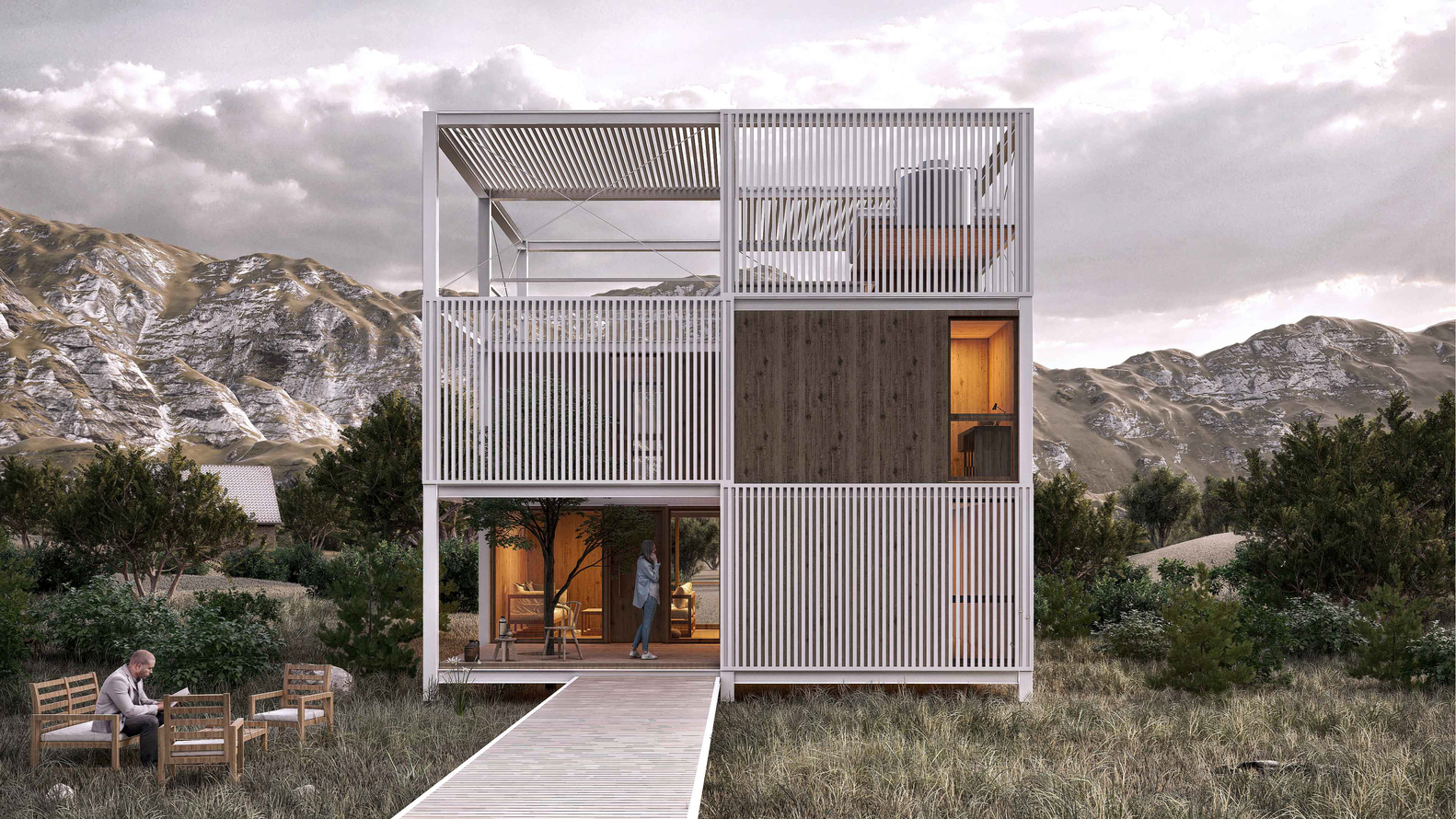
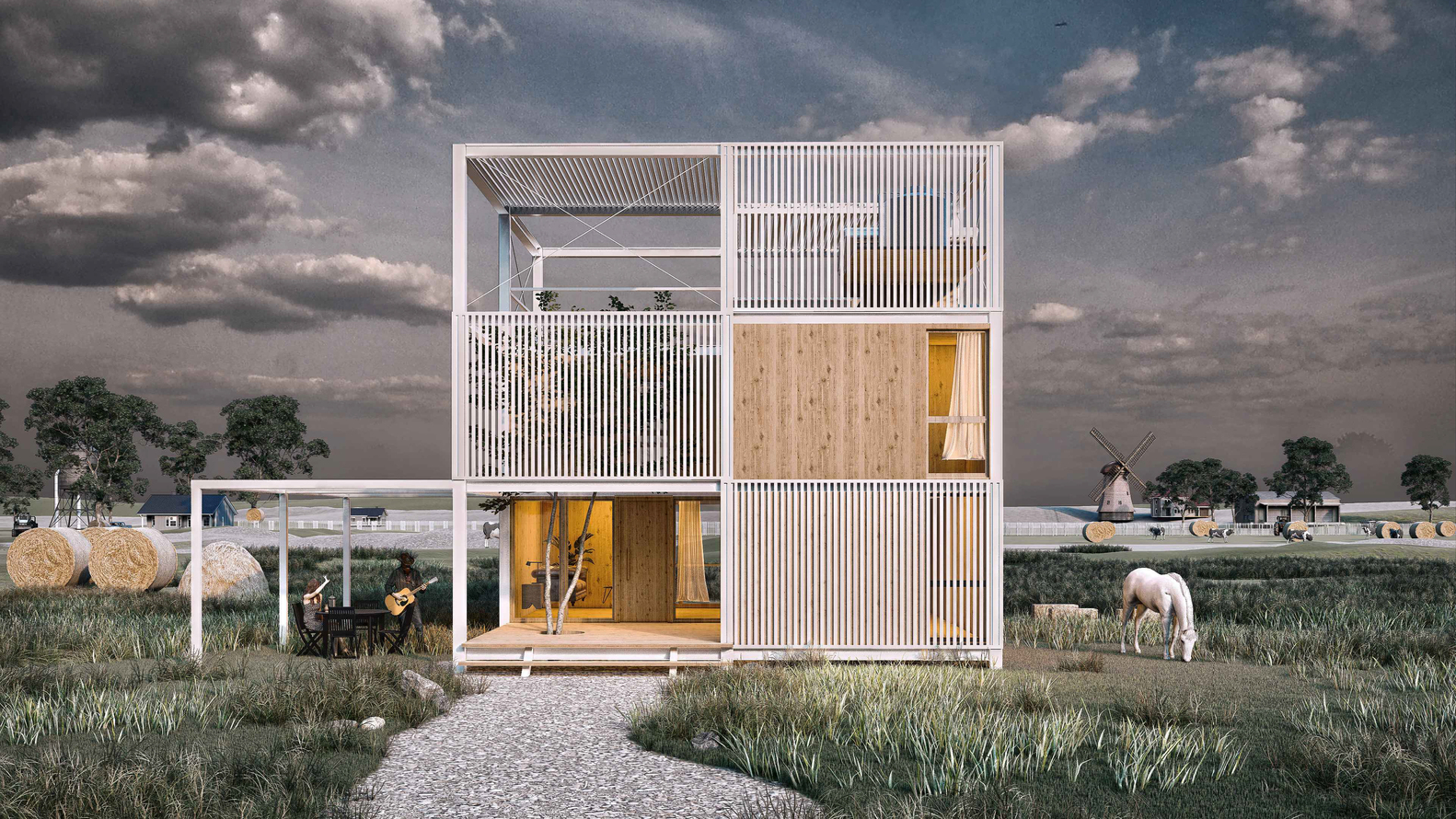
Our housing project developed within the VISUS contest takes into account the following developed aspects:
- Reverse the contribution to global climate change: through the use of materials that reduce greenhouse gas emissions during construction operations, transport emissions, materials and the use of energy incorporated in water, etc.
- Reduce the Ecological Footprint: choice of three materials and those necessary for their maintenance.
- Think about the life cycle of materials: materials were chosen using sustainable and regenerative material resources, seeking to reduce the extraction of raw material resources, moving to cyclical materials that do not run out, etc.
- Improving human health and well-being through a high quality of life and interior spatial quality, optimizing resources: bioclimatic strategies were projected and well-lit interior spaces were designed to reduce artificial lighting and allow all kinds of activities throughout the year. At the same time, cross-ventilated spaces were designed to allow the circulation and renewal of interior air if necessary, among many other decisions.
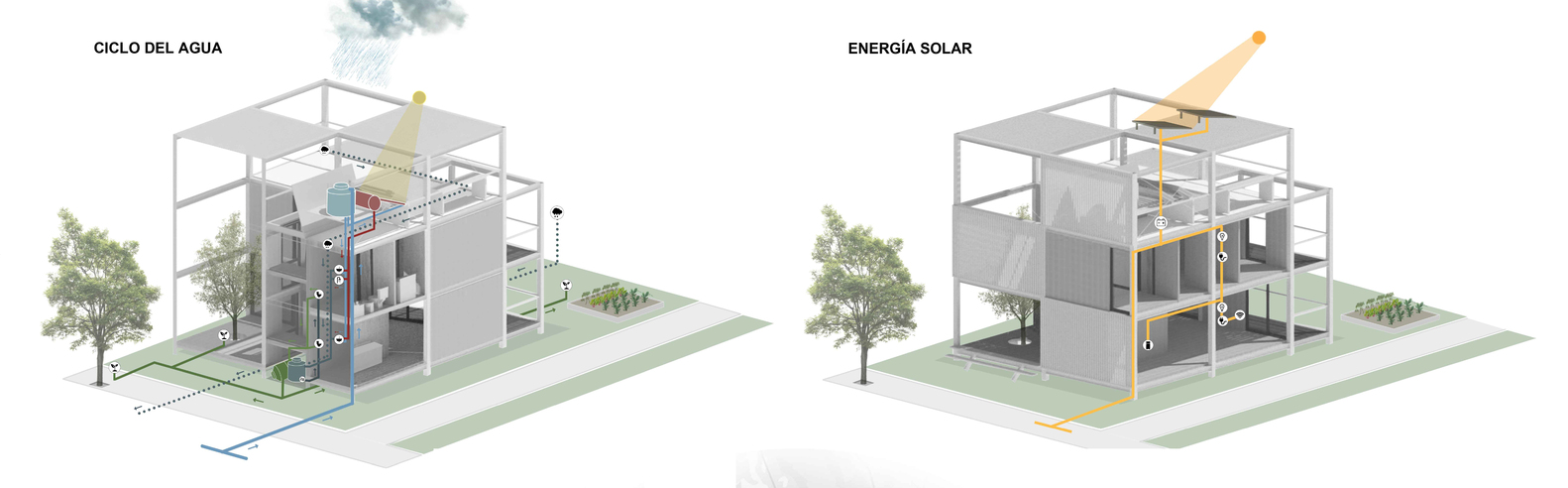
- Protect and restore water resources: through the protection and restoration of natural water regimes, the reduction of costs and internal plumbing, water conservation, reduction of consumption, etc.
- Protect, enhance and restore biodiversity and ecosystem services: local biodiversity, habitat and open space protection, sustainable use and management of ecosystem services, etc.
- Build a greener economy: promote the concept of circular economy and incorporate it into housing production chains and construction in general as a paradigm shift, thinking about the use of alternative energies that prioritize energy independence and the non-use of non-renewable energies, etc.
- Improve social equity, environmental justice, community health and quality of life: create a strong sense of belonging linked to local technology products.
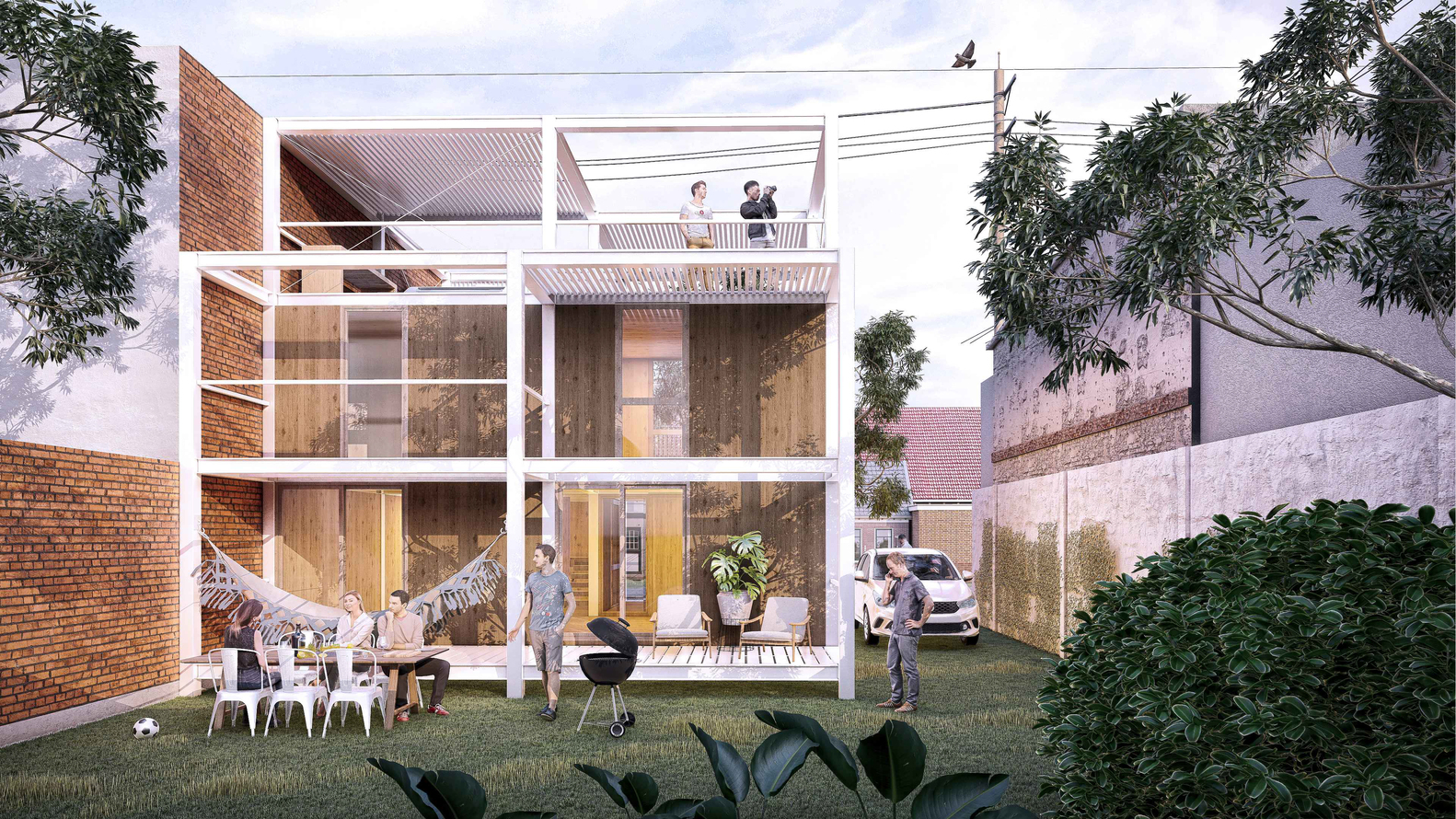
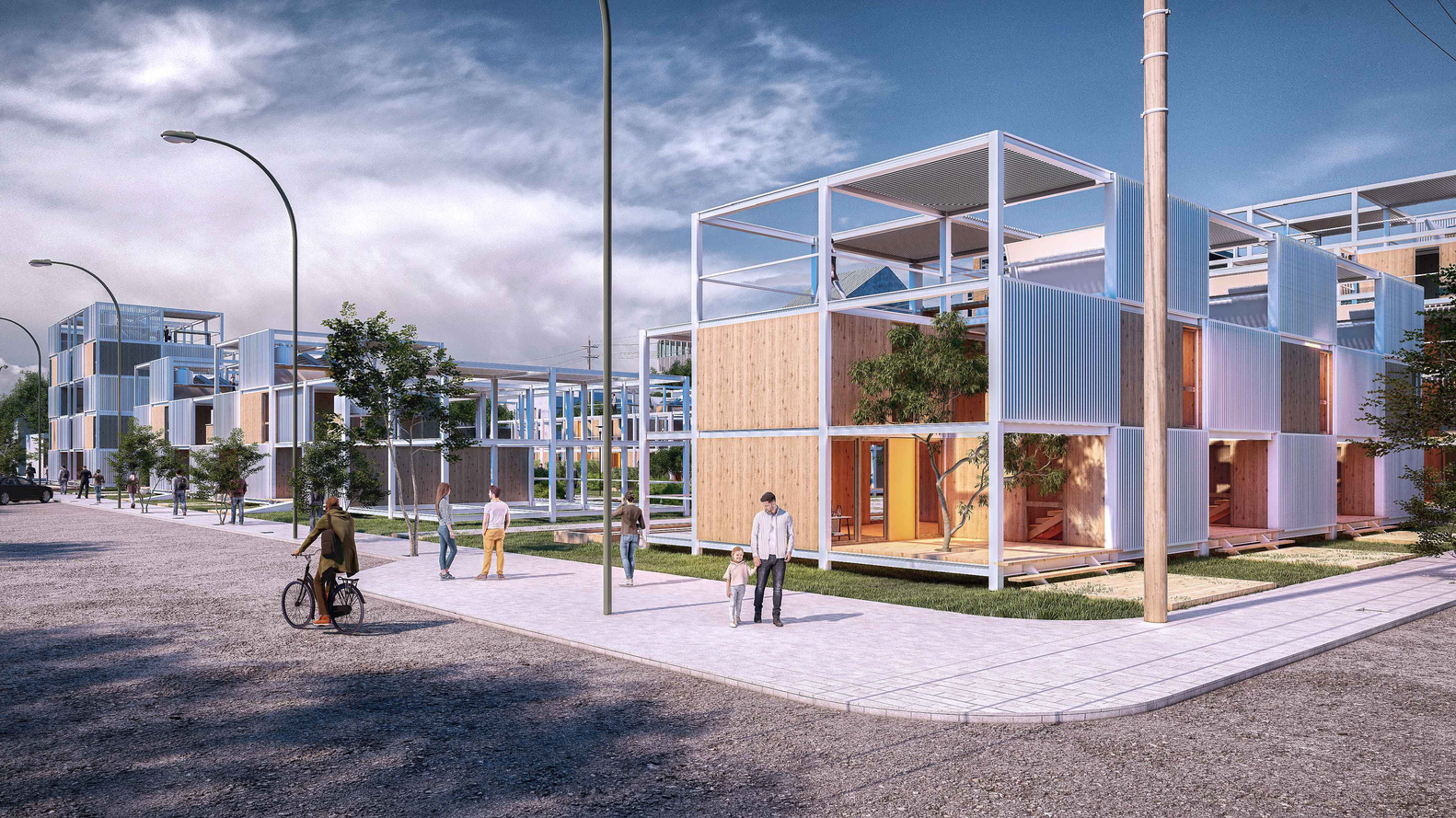
Therefore, this house designed within the VISUS competition is proposed from a perspective that prioritizes recycling, reuse and reduction. From the first moment, the premise is typological-constructive simplicity, therefore, a typical dwelling is established through a structural modulation of 4.00m x 4.00m x 2.50m in height.
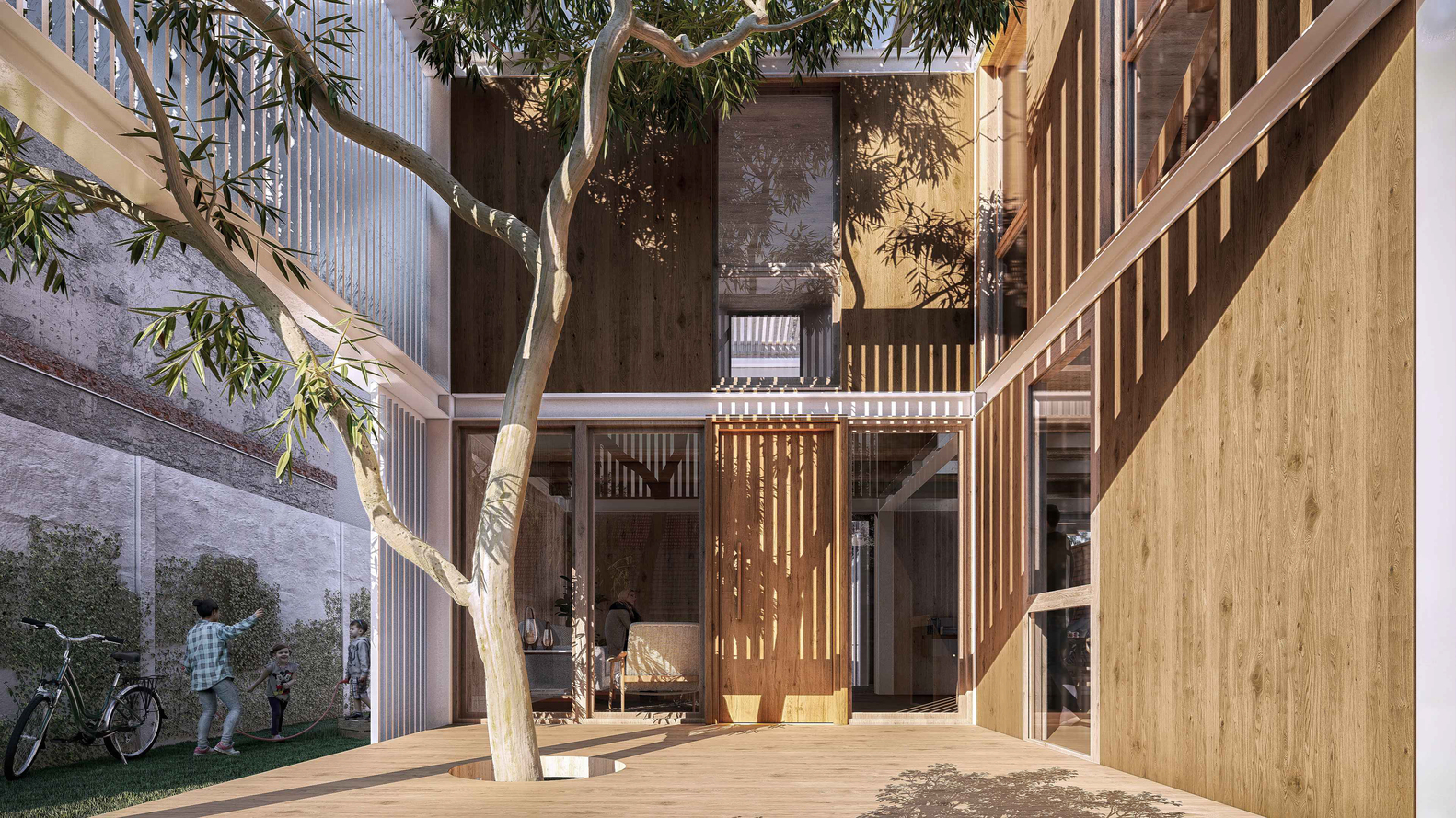
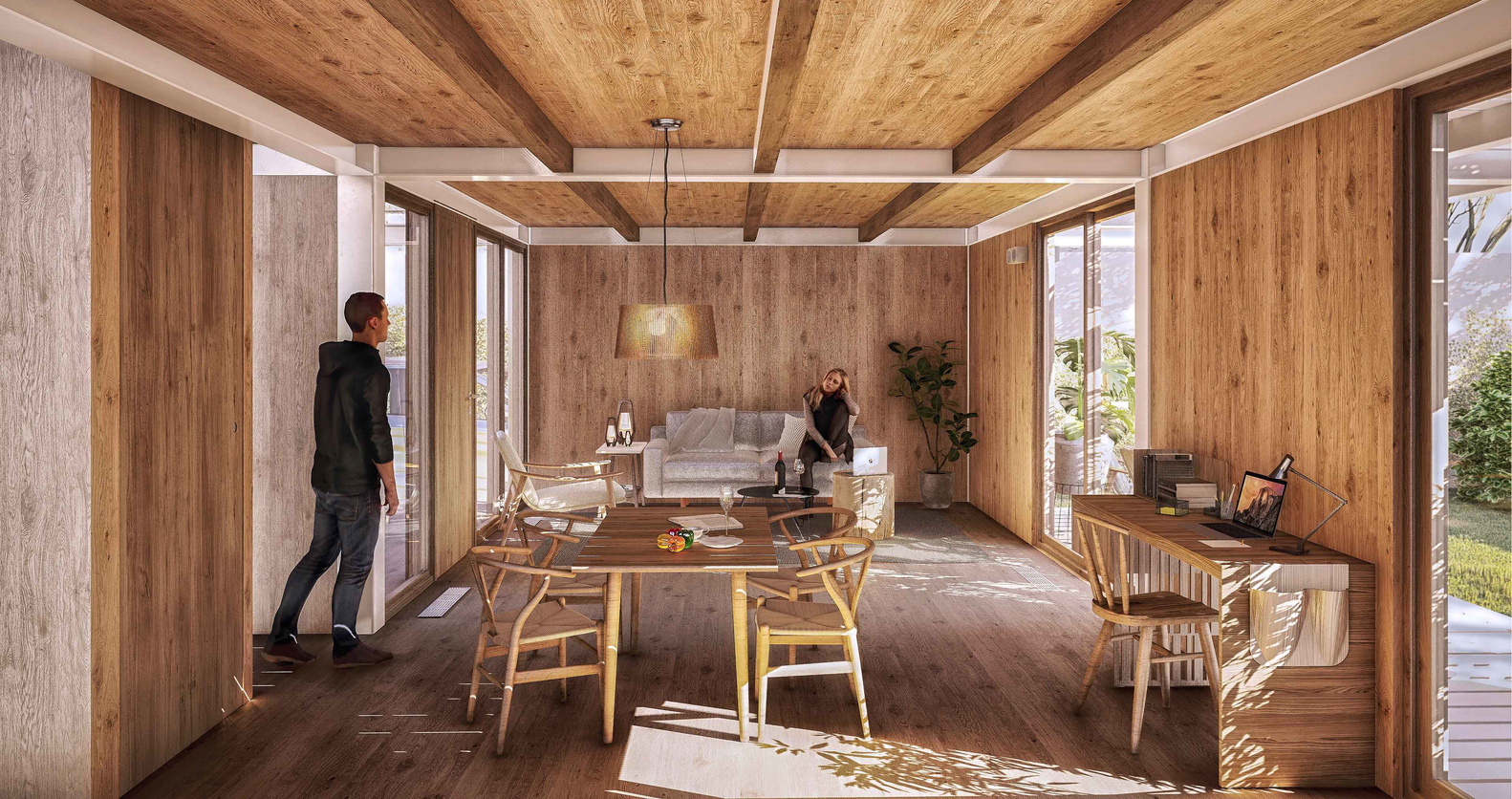
Within the Argentine territory and according to the National Energy Balance of 2017, homes represent 27% of the total final consumption of the country, so it is important to implement energy efficiency measures and energy use habits. In this project, it was proposed to improve the environmental performance of construction by reducing energy and resource consumption as well as reducing greenhouse gas emissions and the production of inappropriate waste.
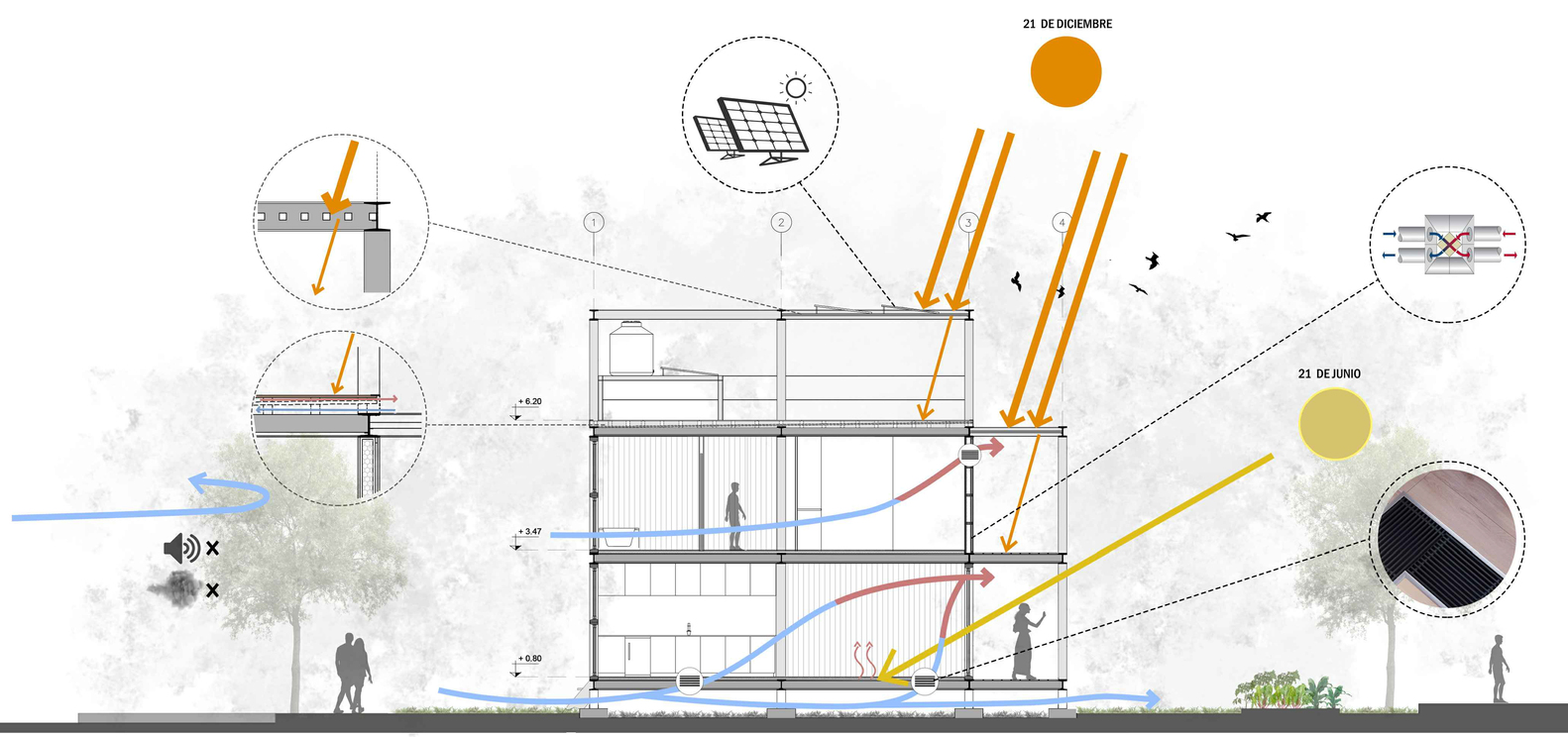
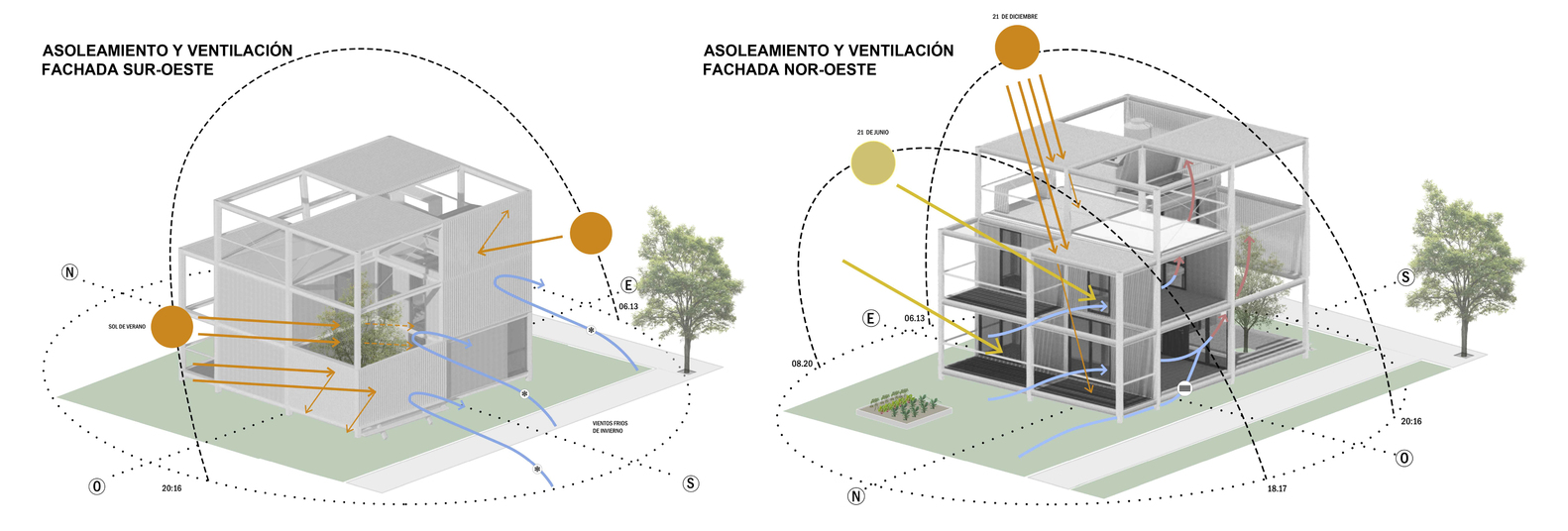
1. Reduction of energy consumption: Through the study of sunlight, orientations and environments of the house, causes that produce deficits were identified. Once these conflict points were identified, action was taken on them by incorporating a gallery, patio and filters, as well as strategically arranging the environments to eliminate problems and reduce installations and use of air conditioning, reducing energy demand.
2. Economic savings: By reducing energy consumption, comfort conditions are improved, which is directly reflected in the reduction of the values of water, electricity and gas bills. This reduction is done by collecting rainwater for irrigation, installing solar panels, using aerators to reduce water use, among other things. But it should also be noted that materials found in the city of Córdoba were used, therefore the cost of transportation is reduced.
3. Improvement in comfort conditions: A home with an A grade requires little or no heating during the winter or air conditioning in the summer. This condition represents a great benefit for health, since respiratory issues are not generated. The improvements that are applied in the houses, not only improve the rating of the label, but also improve the comfort, well-being and health conditions of its occupants. In the project, we obtained an IPE of less than 40, which is why it is highly efficient (A grade).
4. Respect for the environment: Consuming less energy makes it possible to reduce the consumption of many non-renewable natural resources, which contributes to preserving and caring for the environment and the health of the planet in general and, not least, reducing CO2 emissions that cause of climate change, with which most countries and Argentina have committed to reduce considerably by 2030 and 2050. That is why the choice of materials is a very important point for this project, they were used in a greater percentage three materials: steel, wpc and elliotis pine wood.
More: Argentina news in English, every day from The Rio Times.
Read More from The Rio Times