Last week, Brazil and Mexico agreed to introduce electronic visas for travelers between the two nations.
This change aims to ease border crossings. Until now, both nations required physical visas.
This announcement followed a travel hiccup. A Brazilian family couldn’t return from Japan via Mexico due to visa issues.
After this, Brazil’s Foreign Ministry advised having a proper Mexican visa for layovers.
However, there’s a caveat. The Mexican Embassy in Brazil clarified some rules. If your layover in Mexico is under 24 hours, you don’t need a visa.
Also, permanent residents of countries like the U.S. and Canada don’t need one either.
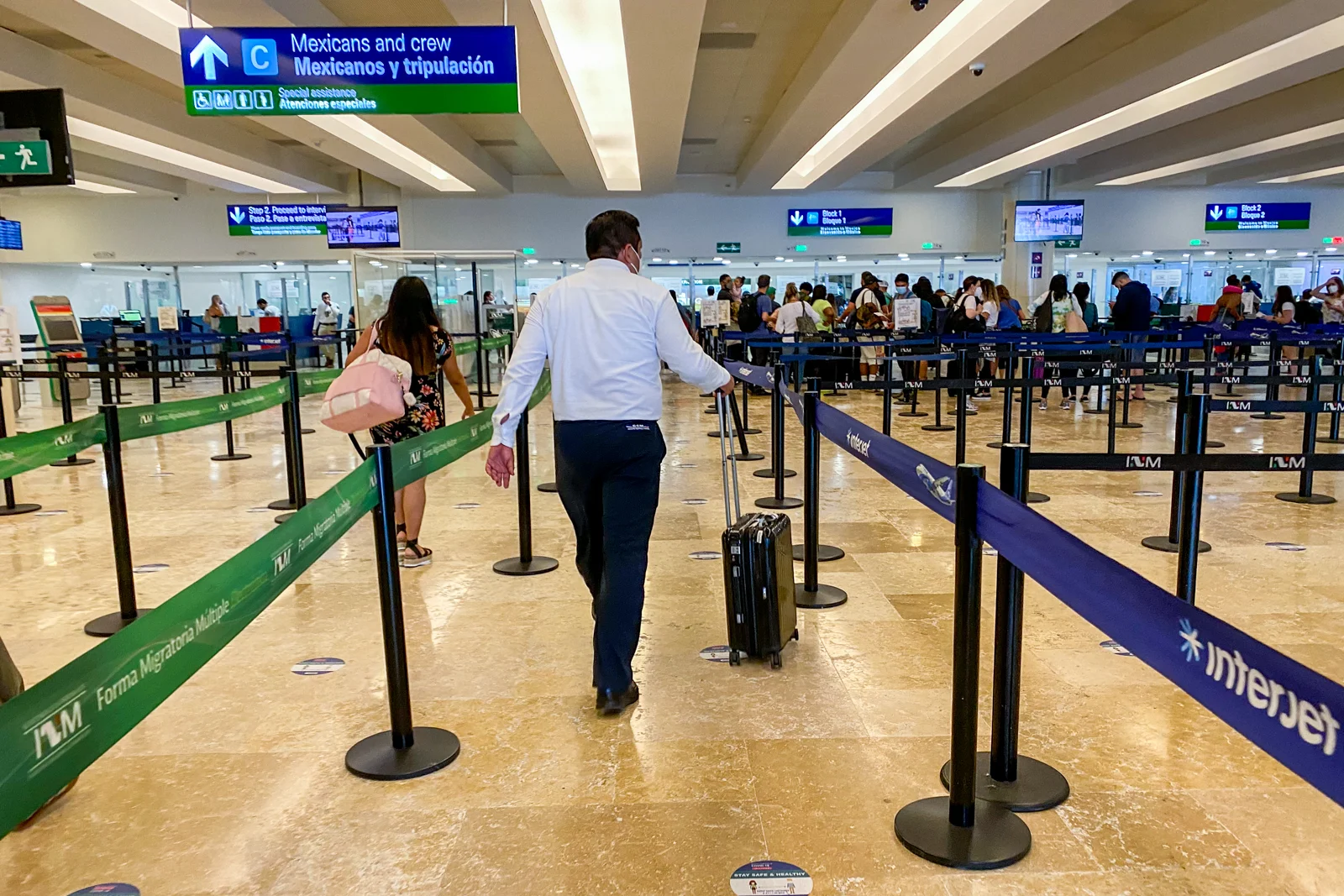
Interestingly, this e-visa plan isn’t new. It should have started earlier this year. But a system glitch caused a nine-month delay.
Between January and August this year, fewer Brazilians flew to Mexico compared to last year.
The Brazilian Association of Travel Agencies applauds the move. They think it will boost tourism.
“Getting a visa often turns people off from traveling. This will likely increase visits between the two countries,” said the group’s finance VP.
Still, not everyone is optimistic. Gustavo Inácio de Moraes, a business professor, thinks the impact will be small.
He points out that both countries have low average incomes, which limits travel.
In summary, the new e-visa could make travel easier between Brazil and Mexico. It may also set the stage for similar policies with other countries in the future.
Background Brazil and Mexico Introduce E-Visas
This e-visa initiative mirrors the general trend of digitization in both Brazil and Mexico.
Both countries are increasingly using technology to simplify bureaucratic processes. On the global stage, e-visas are already common.
Countries like the United States and Australia have been using them for years to streamline entry.
Brazil and Mexico are not the first Latin American nations to employ this method.
Chile and Colombia, for instance, have also adopted similar systems. It seems Latin America is catching up with other regions in employing digital solutions for border control.
This article was drafted with automated assistance and reviewed before publication. How we use AI · Report an error · Editorial responsibility: Matthias Camenzind, Editor-in-Chief
Read More from The Rio Times