Bolivia Warns of State of Siege If Blockades Return
BOLIVIA · POLITICS
Key Facts
- —What happened Bolivia’s government says it may declare a state of siege if road blockades return.
- —The bigger step Officials just extended the country’s separate state of exception for 90 more days.
- —Why now The last 90-day period included 53 days of blockades, a government spokesman said.
- —What it means A state of siege would let the government use troops and curfews to reopen roads.
- —The catch No state of siege is in force yet, and Congress has not approved the extension.
- —Who it affects Diesel subsidy cuts have already drawn threats of new blockades from some sectors.
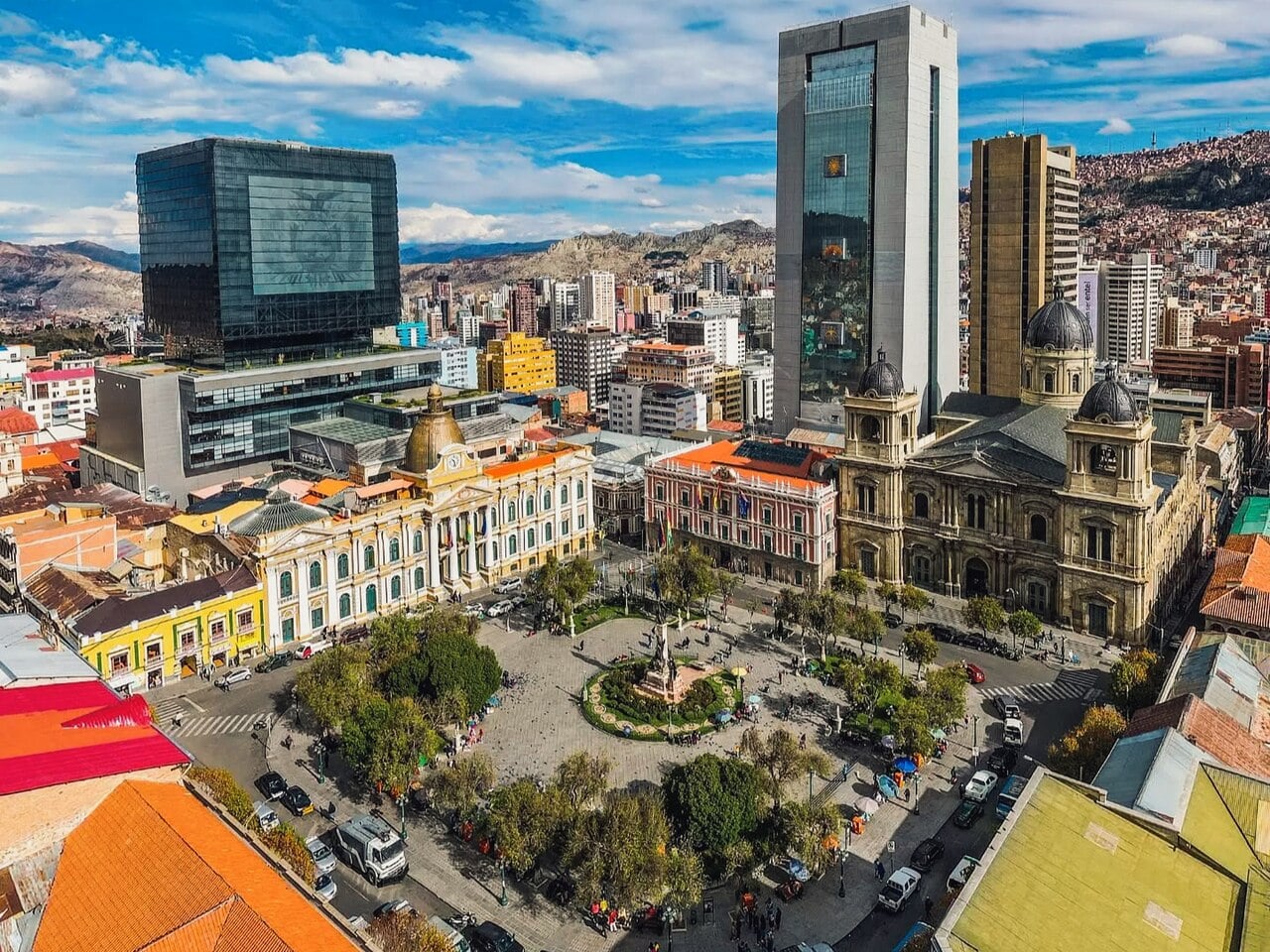
Bolivia’s government says it is ready to go further than its current state of emergency if road blockades come back.
Bolivia’s government said this week it could declare a state of siege. That would be a stronger emergency power than the state of exception already in force. Presidential spokesman José Luis Gálvez made the warning on 15 September 2026.
What Gálvez Said
“If necessary, we will declare a state of siege,” Gálvez told reporters in La Paz. “We will use constitutional force, and we will use the military.”
He said the government would only take that step if blockades or attacks on public order return. Gálvez added that “the threats remain in force,” pointing to unrest tied to this month’s diesel-subsidy changes.
Two Levels of Emergency Power
Bolivia’s Constitution allows four kinds of state of exception. A state of siege is the most severe of the four, meant for serious internal unrest.
The government is not using it yet. It has only extended the milder state of exception, in force since 20 June 2026 under Supreme Decree 5636.
That decree lets police and soldiers work together and limits movement and gatherings in affected zones. A state of siege would go further, allowing wider military deployment and curfews, nationwide or in specific regions.
Article 140 of Bolivia’s Constitution requires Congress to review any state of siege within 72 hours. The same 72-hour rule applies to the extension request now before lawmakers.
A Second 90 Days
Bolivia’s cabinet approved a decree on 14 September 2026 to extend the state of exception by 90 more days. The existing decree was due to expire on 18 September.
Gálvez said the previous 90-day period included 53 days of road blockades. He called the extension necessary to keep hospitals, food and fuel supplies moving.
The Plurinational Legislative Assembly still has to approve the extension. Some lawmakers outside the governing coalition have questioned whether it remains necessary.
What Sparked the Latest Warning
Bolivia has cut diesel subsidies this year as part of a wider fiscal correction, including Decree 5676 in late August. That decision has proven unpopular in several regions.
Sectors in Santa Cruz and Cochabamba have since announced plans for marches and blockades against the diesel decree, Bolivian outlets reported. The government cites those threats as the reason it wants to keep stronger emergency powers in reserve.
What Happened Earlier This Year
Farmers, transport unions and other groups blocked highways for weeks in May and June 2026. Infobae reported at least five deaths tied to the unrest by early June.
Bolivian outlets estimated losses at close to US$978 million after roughly a month of blockades, citing government and industry figures. Bolivia is landlocked, so blocked highways can empty a city’s shelves within days.
What Is Not Known
It is not yet confirmed whether the assembly will approve the full 90-day extension, or a shorter one. No formal state-of-siege decree has been drafted or published as of this writing.
It is also not clear which specific groups the government considers the biggest threat. Gálvez did not name them in his 15 September remarks.
A Government Under Political Pressure
President Rodrigo Paz took office in November 2025, ending nearly twenty years of government led by Evo Morales’s political movement. Morales faces two arrest warrants and has not appeared in public to answer them.
He has called the current government “agonizing” over its handling of fuel subsidies.
Some of the government’s critics have suggested the state-of-siege warning is more political signaling than an imminent order. Rio Times could not independently confirm that reading, and the government has not addressed it directly.
What This Means for Residents and Businesses
For now, daily life in Bolivia runs under the existing state of exception, not a state of siege. Travel and commerce continue normally outside any active blockade.
A state of siege, if it comes, would most likely target specific roads or regions rather than the whole country at once. Past emergency decrees have exempted food, fuel and medical transport from restrictions.
Business owners and residents in blockade-prone areas such as Cochabamba and Santa Cruz have the most reason to watch this closely. Travelers moving between Bolivian cities by road should expect delays if new blockades appear.
What Comes Next
Bolivia’s Legislative Assembly is expected to take up the 90-day extension in the coming days. Whether new blockades actually materialize over the diesel decree will likely decide if the state-of-siege warning becomes more than talk.
More: Bolivia news in English, every day from The Rio Times.
Frequently Asked Questions
What is a state of siege in Bolivia?
It is the most severe of four types of state of exception under Bolivia’s Constitution. It allows wider military deployment and curfews during serious internal unrest.
Has Bolivia actually declared a state of siege?
No. As of 15 September 2026, the government said it would only do so if blockades return. None was in force at that time.
Why is Bolivia extending its state of exception?
The government says a previous 90-day period included 53 days of road blockades. It wants emergency powers in place as diesel-subsidy cuts fuel new protest threats.
What triggered the latest tension?
Diesel subsidy cuts under Decree 5676 have led some sectors in Santa Cruz and Cochabamba to threaten new marches and blockades.
Sources: Infobae, La Razón (Bolivia), Opinión (Bolivia), El Comercio (Peru), Noticias SIN, Urgente.bo, FM La Paz 96.7, El Nacional, Rio Times prior reporting. https://www.infobae.com/america/agencias/2026/09/15/gobierno-de-bolivia-preve-activar-el-estado-de-sitio-como-medida-adicional-al-de-excepcion/ https://www.infobae.com/america/agencias/2026/09/15/el-gobierno-de-bolivia-aprueba-decreto-para-ampliar-90-dias-mas-el-estado-de-excepcion/ https://larazon.bo/nacional/2026/09/14/gabinete-aprueba-ampliar-por-90-dias-el-estado-de-excepcion/ https://www.urgente.bo/noticia/gobierno-afirma-que-si-es-necesario-declarara-estado-de-sitio-las-amenazas-siguen-vigentes https://fmlapaz.bo/galvez-advierte-con-estado-de-sitio-y-militarizacion-si-vuelven-los-bloqueos/ https://www.infobae.com/america/america-latina/2026/06/02/crisis-en-bolivia-los-bloqueos-ya-causaron-cinco-muertos-y-mantienen-aisladas-a-la-paz-y-el-alto/
This article was drafted with automated assistance and reviewed before publication. How we use AI · Report an error
Read More from The Rio Times