Bolivia Central Bank Moves to Absorb US$250 Million After Diesel Price Rise
BOLIVIA · MARKETS
Key Facts
- —The decision The Banco Central de Bolivia said on 25 September it will absorb Bs 3 billion (about US$250 million) from banks in September and October.
- —The dollar rule A board resolution approved on 24 September lifts the cap of the official rate plus Bs 0.10 (about US$0.01) on bank dollar sales.
- —The rate The official rate was 12.02 bolivianos per US dollar on 30 September, down from 12.26 on 24 September, according to the central bank.
- —The fuel price Supreme Decree 5716 raised diesel from Bs 9.80 to Bs 17.95 a litre (about US$0.82 to US$1.49) from 19 September.
- —Still open The central bank has published no dollar sale since 9 September, when it sold US$35 million to banks.
The Bolivia central bank is draining bolivianos and loosening dollar rules. An 83% diesel price rise is feeding through to transport and food costs.
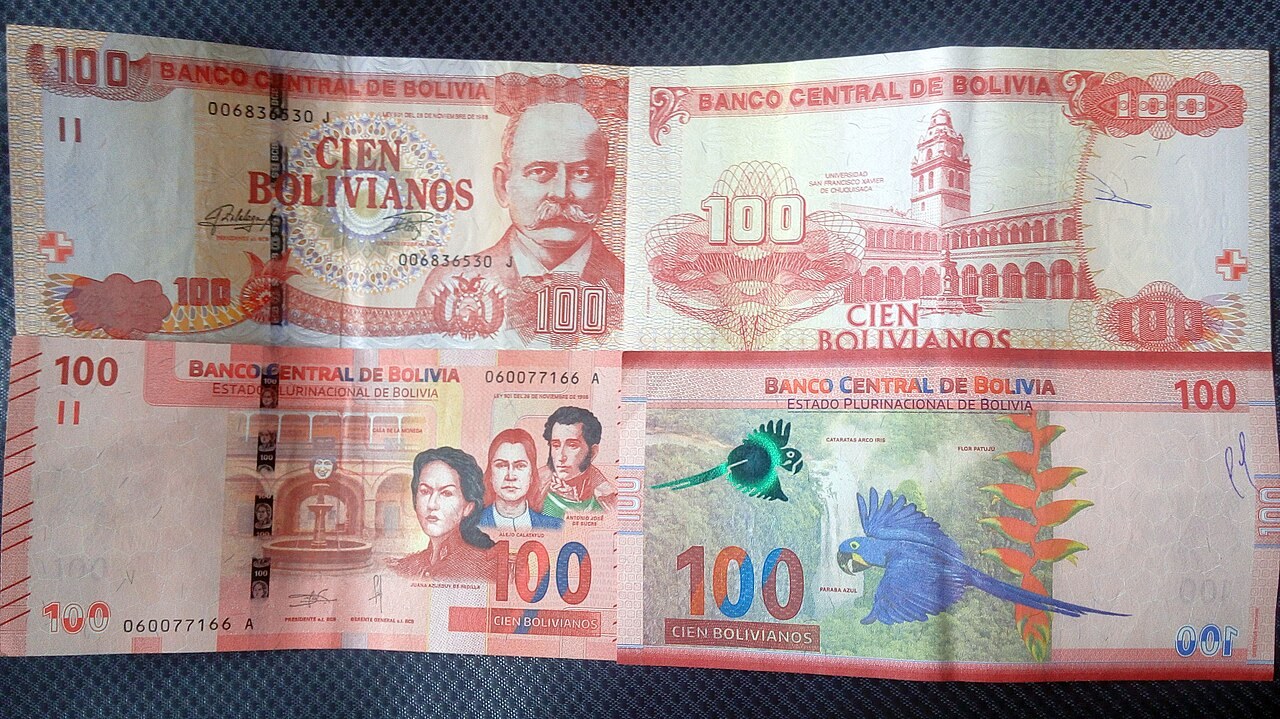
The Bolivia central bank will take Bs 3 billion (about US$250 million) out of the banking system in September and October. It acted in the week after an 83% rise in the price of diesel and also changed how the dollar is priced.
A vacuum for surplus bolivianos
The Banco Central de Bolivia, known as the BCB, announced the new tool on 25 September. It is called the Expanded Monetary Reserve and was created by board resolution 141/2026.
The reserve holds part of the money that banks keep at the central bank. About Bs 1.2 billion (about US$100 million) is to be held in September and Bs 1.8 billion (about US$150 million) in October.
The reason is a wave of maturing debt. Central bank securities worth more than Bs 4.5 billion (about US$374 million) fall due in September, returning cash to banks.
That cash could fuel spending or demand for dollars. The BCB said the measure does not touch customer deposits, which remain fully available.
The bank described its stance as contractive, meaning it wants less money in circulation. Its stated aim is single-digit inflation in the short and medium term.
A new way to set the dollar price
The second change came the same week. Board resolution 142/2026, approved on 24 September, replaced the foreign-exchange rules adopted in June.
Until then, banks could not sell dollars for more than the official rate plus Bs 0.10 (about US$0.01). That cap has now gone.
The official rate itself is calculated differently. The BCB now uses a weighted median of the prices banks pay when they buy dollars from customers.
A median reduces the pull of a few trades at unusually high or low prices. The bank publishes the new rate at 11:30 p.m. Bolivia time on each working day.
The first rate under the new method was 12.05 bolivianos per dollar, valid from 26 to 28 September. On 25 September it had been 12.22.
The diesel price rise behind it
The trigger for the week of measures was fuel. President Rodrigo Paz signed Supreme Decree 5716 on 18 September, ending the fixed, subsidised price of diesel.
Since 19 September diesel costs Bs 17.95 a litre (about US$1.49), up from Bs 9.80 (about US$0.82). The price now follows import costs and international references.
Diesel moves Bolivia’s trucks, buses and tractors. The end of the diesel subsidy drew strikes and blockade threats.
Transport unions and the Central Obrera Boliviana, the main trade union federation, rejected the decree.
Families already report higher food prices after the diesel cut. Official inflation stood at 5.02% over twelve months in August, before the new price, according to INE, the statistics institute.
How the dollar has moved
Bolivia held its currency at 6.96 bolivianos per dollar from 2011 until June 2026. It then moved to a flexible exchange rate, set each day from bank trades.
The official rate peaked at 12.64 on 9 September. That day the BCB sold US$35 million to banks at 12.10 bolivianos per dollar, to calm what it called unnecessary jolts.
Two days earlier it had stopped buying dollars and began holding back part of the banks’ cash. The rate then fell to 9.83 by 17 September.
After the diesel decree the rate climbed again, reaching 12.26 on 24 September. The new method brought it to 12.02 for 29 and 30 September.
Street-market dealers were quoting close to the official rate by the last days of September. The gap between the two markets has narrowed.
Two tools against a rise in costs
Not everyone expects a smooth landing. Writing in the news site Urgente.bo, the economist Gonzalo Chávez sees the diesel rise as a blow to supply.
He argues it raises costs across the whole economy.
In his view, draining money works mainly on demand and expectations, not on fuel costs. Tighter credit could hurt production and jobs just as companies face higher energy bills.
He also warns that freer dollar prices may raise import costs and feed inflation. At the same time, the government is paying out bonuses and transfers that add money back.
The BCB has a cushion. It reported more than US$1 billion in highly liquid reserves in early September.
Even so, over 82% of all its reserves are held in gold, which is hard to use in daily trading.
What it means for residents and investors
For people paid in bolivianos, the week brought higher transport and food costs. Those who earn in dollars are largely shielded, because each dollar now buys about 12 bolivianos.
Bank dollar prices can now differ from bank to bank, because the Bs 0.10 (about US$0.01) cap is gone. Comparing quotes before a large exchange is now more worthwhile.
The government faces other pressures as well. On 28 September the US State Department restricted visas for Bolivian officials, among them a Santa Cruz prosecutor.
The next reading comes from September inflation, the first to include the new diesel price. The larger half of the absorption, Bs 1.8 billion (about US$150 million), falls in October.
The central bank has not said whether the reserve will run beyond October.
More: Bolivia news, every day from The Rio Times.
Frequently Asked Questions
What did Bolivia’s central bank announce?
On 25 September the Banco Central de Bolivia said it will absorb Bs 3 billion (about US$250 million) from banks. It also scrapped the Bs 0.10 (about US$0.01) cap on bank dollar prices and changed how the official rate is set.
Did the central bank sell dollars after the diesel price rise?
It has published no dollar sale since 9 September, when it sold US$35 million to banks at 12.10 bolivianos per dollar. That sale came nine days before the diesel decree.
What is the official exchange rate in Bolivia?
The central bank set it at 12.02 bolivianos per US dollar for 29 and 30 September. It is now a weighted median of the prices banks pay to buy dollars.
Sources: Banco Central de Bolivia — Nota de Prensa NP 23/2026, 25 September 2026 · Banco Central de Bolivia — Comunicado C8/2026, 9 September 2026 · Banco Central de Bolivia — Nota de Prensa NP 21/2026, 7 September 2026 · Banco Central de Bolivia — official exchange rate · Urgente.bo
In depth
Read More from The Rio Times