Bernarda Vera Case: Chile Report Finds 14-Month Delay Under Boric
CHILE · JUSTICE
Key Facts
- —What happened A BioBio report says Boric’s government took about 14 months to tell the judge that Bernarda Vera might be alive.
- —The context Vera, listed as disappeared since 1973, was found alive in Argentina after a DNA match in July 2026.
- —Why it matters The case tests whether Chilean state agencies act quickly on evidence and keep official records accurate.
- —The catch The 14-month delay is disputed; former officials say the judge was informed through letters in 2024 and 2025.
- —Who it affects Foreign residents and investors watching how Chile reviews state programmes, plus Vera’s family and other register names.
- —What comes next An administrative inquiry and prosecutors’ review will decide whether anyone is charged or reparations reclaimed.
A woman listed for decades as forcibly disappeared is alive in Argentina. A new report asks why officials waited to tell the judge.
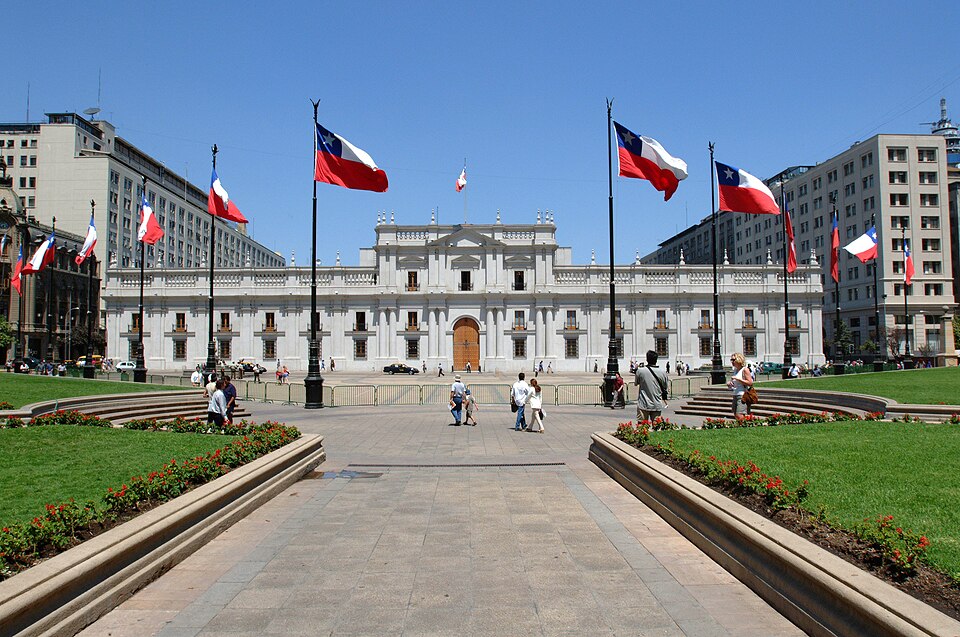
Chilean outlet BioBio published a report on 19 September 2026 about the Bernarda Vera case. It says 14 months passed between the first clues and formal notice to a judge.
Who Bernarda Vera is
Bernarda Rosalba Vera Contardo was a 27-year-old primary school teacher and member of the Revolutionary Left Movement (MIR).
After the September 1973 coup, she joined a group of militants hiding in the hills near Arquilhue, in today’s Los Ríos region.
She was later listed as a victim of enforced disappearance, and her family received state reparations. Her name stayed on the official register for more than 50 years.
The Rettig Commission, Chile’s 1991 truth commission, had included her among the victims. That made her one of the best-known names on the list.
In July 2026, a DNA test matched a woman living in Argentina to Vera’s relatives. The probability of identification was above 99.9999%.
On 29 July 2026, Judge Álvaro Mesa Latorre ruled she is alive and living in Argentina. He found she was not kidnapped or killed by others.
On 10 September 2026, the Undersecretariat for Human Rights ordered her removal from the register of the disappeared.
What the Bernarda Vera case report says
BioBio’s investigation reconstructs how the state’s National Search Plan handled the file. It relies on work by the plan’s researcher, Pascale Bonnefoy.
In March 2024, a former MIR member told Bonnefoy that Vera had not been arrested or executed. More interviews followed in April 2024.
In October 2024, the search plan filed a complaint with Judge Mesa about the people who disappeared in the Liquiñe area.
In May 2025, Chile’s Foreign Ministry confirmed that Vera had received Swedish nationality as a refugee. The judge was formally informed on 22 May 2025.
BioBio says the handling is now under an administrative inquiry. It also says the Santiago Centre-North prosecutors are examining a possible failure to report a crime.
Two governments, two versions
The period in question falls under the government of former president Gabriel Boric, which left office in March 2026.
Chile is now governed by President José Antonio Kast. His Justice Minister, Fernando Rabat, raised the delay in July 2026.
Rabat said the information sat with the Undersecretariat for Human Rights for at least 15 months without a quick response.
The current Undersecretary for Human Rights, Pablo Mira, said the material had been in his office’s hands since 2024.
He opened an administrative inquiry and asked the State Defence Council to pursue any legal action. He also said the state may seek repayment of reparations.
Former Justice Minister Jaime Gajardo rejects the 14-month figure. He says evidence was sent to the judge through several official letters in 2024 and 2025.
Paulina Zamorano, who led the search plan, says such inquiries build up step by step. She says the first official Foreign Ministry document arrived only in May 2025.
Zamorano also denies that staff hesitated to contradict the Rettig report. Gajardo says the current government is taking credit for a judicial investigation.
What about the minister’s apology?
Some early summaries of this story said a minister named Arrau apologised over the case. That link is not supported.
Martín Arrau has been Chile’s Minister of Public Security since May 2026. The Clinic reported on 19 September 2026 that he apologised to lawmakers over a separate constitutional reform debate.
No public apology by Arrau or any other minister over the Bernarda Vera case has been found.
Why this matters for expats and investors
For foreign residents and investors, the case is a test of how Chile’s institutions check their own work.
The dispute is not about money markets. It is about whether agencies act quickly on evidence and keep records accurate.
It also shows how a change of government can reopen past files. The Kast government is using the case to question its predecessor’s management.
People with long-term plans in Chile may see more reviews of state programmes and registers. That is normal oversight, not a sign of instability.
The case already has political weight. Lawmakers from the UDI and Republican parties have asked for a commission to look for similar cases.
What is still not known
It is not known when the administrative inquiry will end or what it will find.
It is not known whether prosecutors will bring charges over the timing. It is also unclear whether any reparations will be reclaimed from the family.
It is not known how the family will respond if the state seeks repayment. It is also not known whether other names on the register will be reviewed.
The bottom line
The facts that are settled come from a court ruling and an official register change. The meaning of the 14-month gap is still disputed.
The administrative and criminal reviews should give a clearer answer in the coming months.
Frequently Asked Questions
Frequently Asked Questions
Is Bernarda Vera alive?
Yes. A Chilean judge ruled on 29 July 2026 that she is alive in Argentina, after a DNA match.
Did a Chilean minister apologise over the case?
No such apology has been found. Security Minister Martín Arrau apologised to lawmakers over a separate matter.
Is the 14-month delay proven?
No. The timeline is documented, but former officials dispute it. Administrative and criminal reviews are still open.
Connected Coverage
Chile Kast Government Resignations Reach 48 After Coquimbo Exit
Sources: BioBioChile investigation, 19 September 2026; Undersecretariat for Human Rights resolution in the Diario Oficial, 10 September 2026; La Tercera; The Clinic; Presidency of Chile.
This article was produced by The Rio Times’ automated newsroom system. How we use AI · Report an error
Read More from The Rio Times