Asia Intelligence Brief — Monday, November 2, 2026
Executive Summary
Asia Intelligence Brief for November 2: China's party purge hollows out its military command, Taiwan protests an APEC snub, Myanmar airstrikes kill 16.
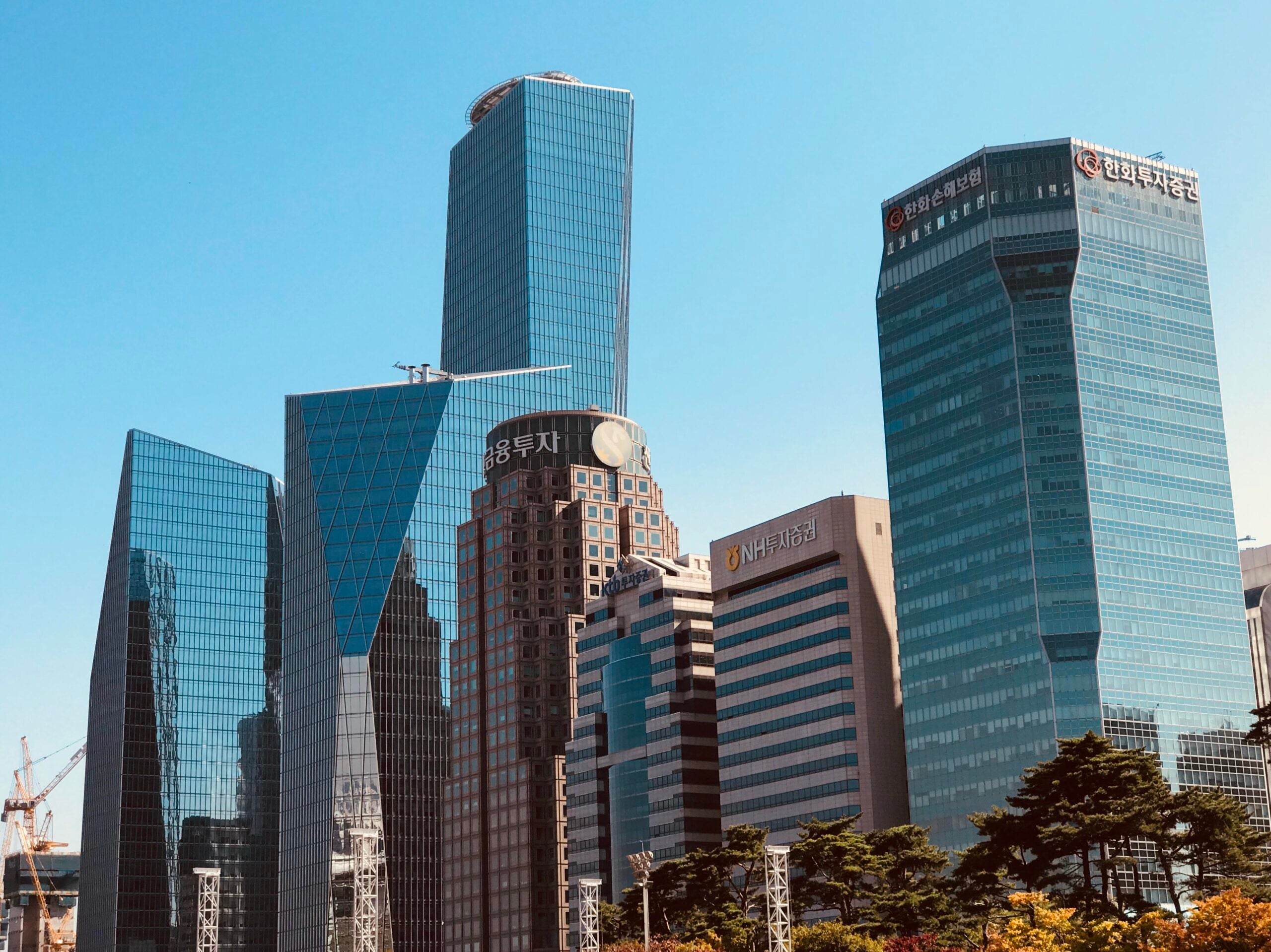
Asia on Monday feels like a region watching its own walls, as reporting from ABC Australia, Focus Taiwan and The Irrawaddy shows: Beijing is clearing out its own ranks, Taipei is bracing for the consequences and the Myanmar regime is intensifying airstrikes. Elsewhere the mood is more practical, with Seoul betting on chips, Jakarta guarding its citizens and Islamabad shielding consumers from price shocks.
The register is guarded and legalistic: the party speaks of “comprehensive and strict party governance” in ABC’s account, Taiwan answers in the vocabulary of rights and jurisdiction, and Indonesian police promise “zero tolerance”. Publics are heard mostly at one remove, through what officials warn of and through an opinion piece in The Irrawaddy on 2 November that calls the ASEAN mission cover for atrocities.
The through-line is control: who has it, who is losing it and who is asked to pay for keeping it. Leaders in Beijing, Seoul, Jakarta and Islamabad each promise order or protection, and the test everywhere is whether the promise survives contact with fear.
Key Facts
Party purge. The Central Committee confirmed the expulsion of 33 members and alternates, 16 of them military, when its Fifth Plenum closed on 29 October.
Military commission. Only two of seven Central Military Commission members remain, including Xi Jinping, with five seats unfilled.
APEC invitation. Taiwan’s foreign minister protested “differential treatment” on 2 November over the Shenzhen summit of 18 and 19 November.
Myanmar strikes. At least 16 people, including four children, were killed in airstrikes as an ASEAN envoy arrived, 2 November.
Indonesia trafficking. Police promised “zero tolerance” for recruiters of Indonesians for Russia’s military, 2 November.
China: The Party Turns Its Suspicion Inward
The official framing of “comprehensive and strict party governance”, as ABC relayed it, is the language of a system that treats loyalty as its scarcest resource. For a US reader the signal is a Beijing absorbed in internal consolidation, which can make it either more cautious abroad or more eager to show strength, and ABC called the scale unprecedented in nearly half a century.
Taiwan: Defiant, Uneasy And Bracing
Mainland Affairs Council Deputy Minister Shen Yu-chung said, in remarks the Taipei Times reported, that Xi is expected to consolidate power further and that Beijing, to divert attention from economic failures, “could implement measures to impose governance on Taiwan”. The feared list runs from gray-zone harassment and election interference to economic coercion and false impressions of jurisdiction.
Taiwan’s Coast Guard Administration said on 1 November that China has “no jurisdiction” around the island. Foreign Minister Lin Chia-lung’s vow that Taiwan will keep its participation rights, and an anonymous official’s complaint to the Taipei Times that the invitation did not use “Chinese Taipei”, show a government defending status through procedure, with firm words and anxious substance.
Myanmar: Fear Under The Cover Of Diplomacy
The timing of the airstrikes beside the visit of ASEAN envoy Maria Lazaro invites exactly the cynicism the outlet’s opinion writers voice. The public mood is fear mixed with deep doubt that outside mediation can change what the regime does.
The Irrawaddy also reported on 2 November that Myanmar and Thailand are discussing a Russian liquefied natural gas route via Dawei and that China has reopened trade at border crossings held by armed groups. For a US reader, the lesson is that neighbours are quietly dealing with realities on the ground while the diplomacy of condemnation stalls.
South Korea: Ambition Meets The Shop Floor
The Korea Herald reported on 2 November that President Lee Jae Myung is pitching a record 2027 budget as “growth for all”, and the Taipei Times said on Monday that AI and chip spending doubles to 21.3 trillion won (US$15.8 billion). The mood is confident and outward-looking, reinforced by the account that OpenAI’s Sam Altman visited over the weekend seeking memory chips and funding.
Yet the same paper reported that Hyundai’s Genesis production halted at Ulsan after a union blocked test vehicles and that data on 16,000 people was compromised at three Seoul international schools. For a US reader the picture is of an ally whose technological ambitions are real but whose factories and data defences are being stress-tested, while Seoul also seeks a deal with Washington on air-base relocations by year-end.
Indonesia And Pakistan: The State As Protector
In Indonesia, Brigadier General Nurul Azizah said, according to Antara on 2 November, that recruiters promised signing bonuses of up to US$35,000 and salaries of around US$3,000, a pitch that shows how economic hope can be turned into a trap. Antara also reported on 1 November that the focus is shifting from wildfires to floods as the rainy season begins, a reminder that protective governance there is practical and seasonal.
Dawn reported on 2 November that army chief Munir met a Chinese Communist Party official and that Iran’s foreign minister Araghchi said Tehran is in intensive talks with mediators. The same day also brought the harder edge of state power: the government argues that a civilian convicted of offences against the state cannot claim fundamental rights, while the Lahore High Court ordered a meeting between detainee Noreen Niazi and her daughters.
What This Means From Latin America
Korean and Taiwanese appetite for AI chips also ties, in our reading, to demand for Chilean and Peruvian copper and for lithium, and the friction over APEC invites regional governments to weigh their own ties to both Taipei and Beijing. The Indonesian trafficking case, meanwhile, offers Latin American consulates a template for tracking overseas recruitment promises, and migration officials in the region may want to watch how Jakarta builds its cases.
What We Are Watching
- Monday, 2 November, 6:00 p.m. ET: South Korea inflation — October inflation is forecast at 2.9 per cent, unchanged from the previous reading. It shows how far the cost of living tempers Seoul’s growth pitch.
- Monday, 2 November, 10:30 p.m. ET: Australia interest rate decision — The policy rate is forecast at 4.85 per cent, up from 4.6 per cent. It shows how Canberra weighs price pressure against household strain.
- Tuesday, 3 November, 5:00 a.m. ET: Pakistan inflation — October inflation is forecast at 9 per cent, down from 10.3 per cent. It tests whether the government’s fuel shield is easing the pressure on households.
- Tuesday, 3 November, 8:45 p.m. ET: China S&P Global Services PMI — The October reading is forecast at 51.5, against 51.6 previously. It gives a sense of domestic confidence while the party reshuffles its command.
- Wednesday, 4 November, 11:00 p.m. ET: Indonesia GDP growth — Third-quarter growth is forecast at 5.2 per cent, against 5.29 per cent previously. It shows whether Jakarta’s protective, practical posture is keeping the economy steady.
- Wednesday, 18 November, and Thursday, 19 November: APEC summit, Shenzhen — Taiwan’s participation terms remain disputed. It is the next stage for the invitation row between Taipei and Beijing.
Frequently Asked Questions
What did the Chinese Communist Party’s plenum change in the military leadership?
The Central Committee confirmed the expulsion of 33 members and alternates, 16 of them military, when its Fifth Plenum closed on 29 October. Only two of seven Central Military Commission members remain, including Xi Jinping, according to ABC.
Why is Taiwan protesting over the APEC summit?
as of 2 November, Foreign Minister Lin Chia-lung urged China to follow established practice for invitations and called Beijing’s approach “differential treatment”. The summit is in Shenzhen on 18 and 19 November, and Lin said Taiwan will keep its participation rights.
What is Indonesia doing about recruitment for Russia’s military?
Brigadier General Nurul Azizah said police have “zero tolerance” for the recruiters. The pledge was made on 2 November.
What is South Korea’s 2027 budget priority?
President Lee Jae Myung is pitching a record 2027 budget aimed at “growth for all”. The Taipei Times reported on Monday that AI and chip spending doubles to 21.3 trillion won (US$15.8 billion).
This article was produced by The Rio Times’ automated newsroom system. How we use AI · Report an error · Editorial responsibility: Matthias Camenzind, Editor-in-Chief
LatAm Markets: Live Signals → — real-time movers, turnover leaders and FX across Latin America.