Asia Intelligence Brief — Saturday, October 31, 2026
Executive Summary
Asia Intelligence Brief for October 31: North Korea rejects trilateral denuclearization push; India detains over 7,000 protesters; Melaka election begins.
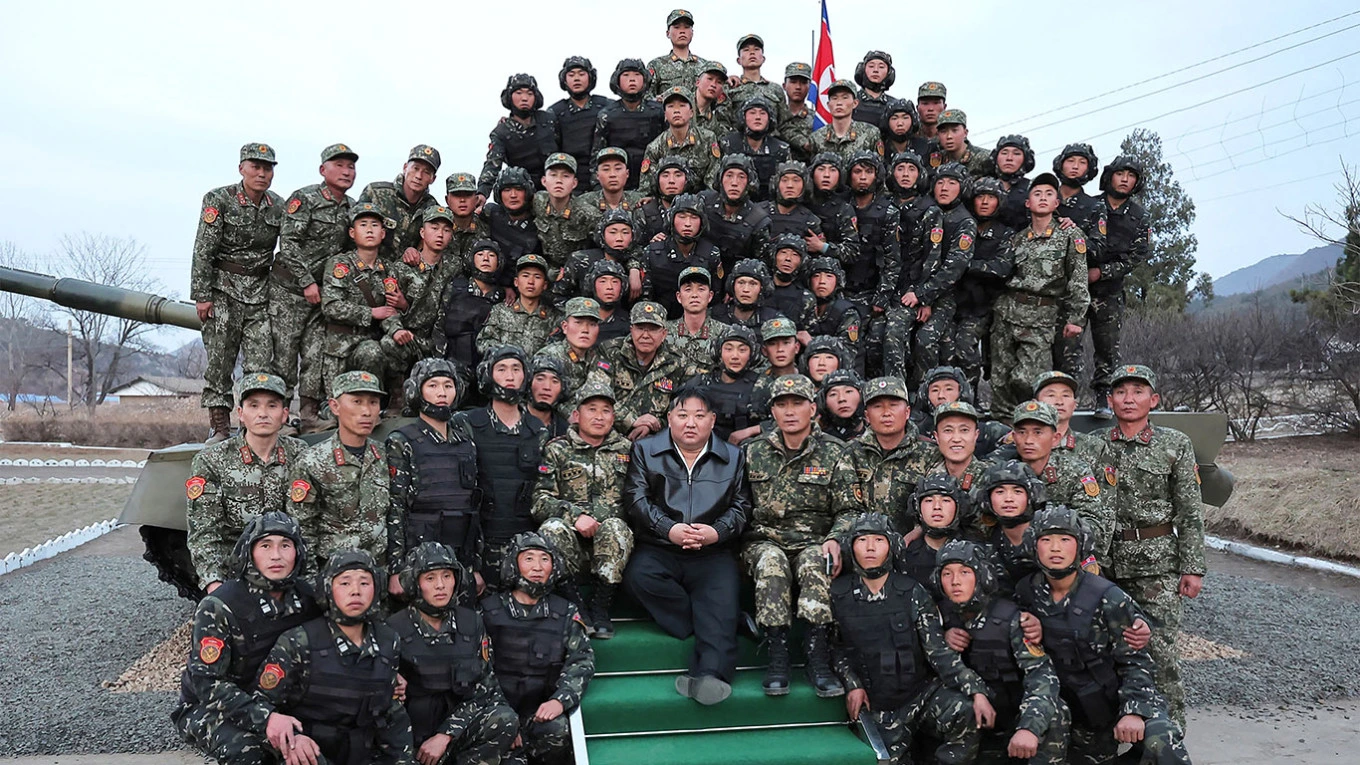
Asia’s temper on Saturday is brittle and watchful: Pyongyang has turned the trilateral denuclearisation pledge from Washington, Seoul and Tokyo into a fresh assertion of its nuclear identity, while publics from Delhi to Kuala Lumpur are navigating anger, competition and economic unease. The day is not a single rupture but a set of frictions that test how much control governments actually hold over security, protest and opportunity.
The register is one of institutional insistence and public pressure. The United States, South Korea and Japan speak in the language of sanctions and complete denuclearisation, North Korea answers with sovereignty and defiance, and Indian protesters and Malaysian candidates are pushing against the limits of state-managed order. The through-line is the contest between managed confidence and exposed vulnerability: leaders are promising security, housing and electoral process, while citizens are confronting nuclear brinkmanship, detentions, cybercrime and the fear that artificial intelligence is eroding the jobs that once made those promises credible.
Key Facts
North Korea denuclearisation. The US, South Korea and Japan reaffirmed complete denuclearisation and full UN sanctions implementation on 31 October.
Pyongyang response. A Foreign Ministry spokesman said sanctions cannot alter North Korea’s position as a nuclear-weapons state.
India detentions. More than 7,000 people were reportedly detained on 10 October linked to examination and voter-roll rallies.
Melaka election. Campaigning began with 79 candidates contesting 28 seats ahead of the 14 November poll.
Binance hack. Binance said it would cover losses after a reported US$6.3 billion hack and froze about US$3 billion.
Korean Peninsula: Deterrence Meets Defiance
The trilateral statement from the United States, South Korea and Japan on Saturday is an attempt to reassert the security architecture that Pyongyang has spent years trying to dismantle. By insisting on complete denuclearisation and full implementation of United Nations sanctions, the three governments are signalling that North Korea’s nuclear status remains unacceptable no matter how often Pyongyang declares it irreversible.
North Korea’s response, delivered through a Foreign Ministry spokesman and carried by regional media, reframes sanctions enforcement as a violation of sovereignty rather than a legitimate pressure tool. For a US reader, the exchange shows that the diplomatic language has not changed, but the psychological gap has widened: Washington and its allies are defending a goal that Pyongyang now treats as historically closed.
India: Anger And The Limits Of Procedure
The reporting on young protesters in Delhi describes a mood of grievance and distrust, with mass detentions linked to rallies over examinations and voter rolls portrayed as an attempt to suppress mobilisation rather than manage public order. The figure of more than 7,000 people detained on 10 October, reported locally, is the kind of number that turns a procedural dispute into a legitimacy test.
The more than 1,500 online takedowns ordered during 2026, cited from the Software Freedom Law Center, India, adds a digital dimension to the sense that the state is narrowing the space for dissent. What a US reader should read into this is not a single crackdown but a pattern of coercive policing and information control that is feeding the very anger it claims to contain.
Malaysia: A Fragmented Contest Begins
The start of campaigning in Melaka on Saturday opens a state election that is notable less for its national stakes than for its fragmentation: 79 candidates are contesting 28 seats, a ratio that suggests a crowded and unpredictable field. The election is a test of whether Malaysian politics can absorb competition without producing instability. For a US reader, Melaka is a reminder that South-East Asian democracies often operate through coalition arithmetic and local bargaining rather than clear ideological binaries, and that the 14 November poll will be watched as a signal of broader political temperature.
Singapore And The Region: Building Futures Amid AI Anxiety
Singapore’s announcement of more than 6,000 homes for Toa Payoh West over the coming decade, including about 1,600 flats in the first project at Toa Payoh Hillside, is a characteristically technocratic answer to long-term social need. Channel NewsAsia reported the plan on Saturday, and it projects a state that is still confident in its ability to shape urban life through public housing.
Yet the same day’s reporting from Malaysia, Thailand and Singapore on graduate-job anxiety tells a different story: young people fear that artificial intelligence is weakening entry-level career paths, with one Malaysian graduate reported to have applied for hundreds of jobs in two months without securing a suitable permanent role. Regional reporting captures a regional unease that no amount of housing supply can fully address, because the fear is about the future of work itself.
Japan: Unease Beyond The Usual Threats
The Fukushima bear incident of early June, in which an animal shrugged off tranquilliser darts during a factory rampage and escaped through a window it had opened, still shapes public-safety unease in Japan. Officials avoided rifle use because of flammable materials, a detail reported locally that shows how even emergency responses must bend to local conditions.
For a US reader, the episode is a reminder that Japan’s security anxieties are not limited to geopolitics or economic stagnation. The bear in Fukushima shrugged off tranquilliser darts during a factory rampage in early June and escaped through a window it had opened.
What This Means From Latin America
The reported Binance hack of US$6.3 billion, with about US$3 billion of affected assets frozen, is a digital-finance shock that reaches far beyond Asia. Latin American cryptocurrency users and exchanges should read it as a warning about concentration risk and the speed with which a single platform failure can ripple across borders, even if the full facts remain to be independently confirmed.
The anxiety among South-East Asian graduates over artificial intelligence and entry-level work also matters for Latin America, which competes for business-process, design and digital-services contracts. If Asian employers are already reducing junior hiring because of AI, Latin American workers and governments should expect the same pressure to arrive in their own labour markets sooner rather than later.
What We Are Watching
- Saturday, 31 October, 8:00 p.m. ET: South Korea balance of trade — October trade balance is forecast at 37.24, down from 49.97. The figure will show whether export momentum is fading amid regional uncertainty.
- Sunday, 1 November, 7:30 p.m. ET: Taiwan S&P Global manufacturing PMI — October PMI is forecast at 55.9, down from 56.7. The print will indicate whether Taiwan’s technology-driven expansion is cooling.
- Monday, 2 November, 10:30 p.m. ET: Australia interest rate decision — The policy rate is forecast at 4.85 per cent, up from 4.6 per cent. The decision will signal how the Reserve Bank is weighing inflation against growth.
- Saturday, 14 November: Melaka state election — 79 candidates are contesting 28 seats. The result will test Malaysia’s political fragmentation and coalition discipline.
- November: Singapore Toa Payoh Hillside launch — About 1,600 flats are expected in the first project. The sales exercise will gauge demand for public housing amid economic caution.
Frequently Asked Questions
What did the US, South Korea and Japan say about North Korea on Saturday?
The three governments reaffirmed their commitment to the complete denuclearisation of North Korea and to full implementation of United Nations sanctions, including restrictions on revenue supporting Pyongyang’s nuclear and ballistic-missile programmes. Reports said the statement on 31 October.
How did North Korea respond to the trilateral statement?
A North Korean Foreign Ministry spokesman denounced sanctions enforcement as a violation of sovereignty and said sanctions could not alter Pyongyang’s position as a nuclear-weapons state. The statement was attributed to KCNA on 31 October.
Why are young protesters angry in India?
Reporting on 31 October described anger among young protesters in Delhi after mass detentions linked to rallies concerning examinations and voter rolls. More than 7,000 people were reportedly detained on 10 October, and more than 1,500 online takedowns were ordered during 2026.
What is happening in the Melaka state election?
Campaigning began on Saturday after nomination day, with 79 candidates contesting 28 seats. Polling is scheduled for Saturday, 14 November, and the fragmented field suggests a highly competitive contest.
This article was produced by The Rio Times’ automated newsroom system. How we use AI · Report an error · Editorial responsibility: Matthias Camenzind, Editor-in-Chief
LatAm Markets: Live Signals → — real-time movers, turnover leaders and FX across Latin America.