The Central Bank of the Argentine Republic (BCRA) recently announced significant changes to enhance the nation’s financial openness.
This initiative, revealed on Tuesday, aims to promote economic growth by lifting various longstanding foreign exchange restrictions.
These adjustments form part of a wider strategy to eventually eliminate all currency controls, signaling a shift towards a more liberal market.
The BCRA’s new policy particularly benefits businesses and individual residents. Importers, for example, now face shortened timelines to procure US dollars for their transactions.
Starting August 1, payments for luxury goods and finished vehicles are due within 90 days of customs registration, reduced from the previous 120 days.
This change alleviates financial burdens, offering businesses greater operational flexibility and resource management.
Moreover, for other imports, which account for over half of the nation’s total, the BCRA has simplified the payment process.
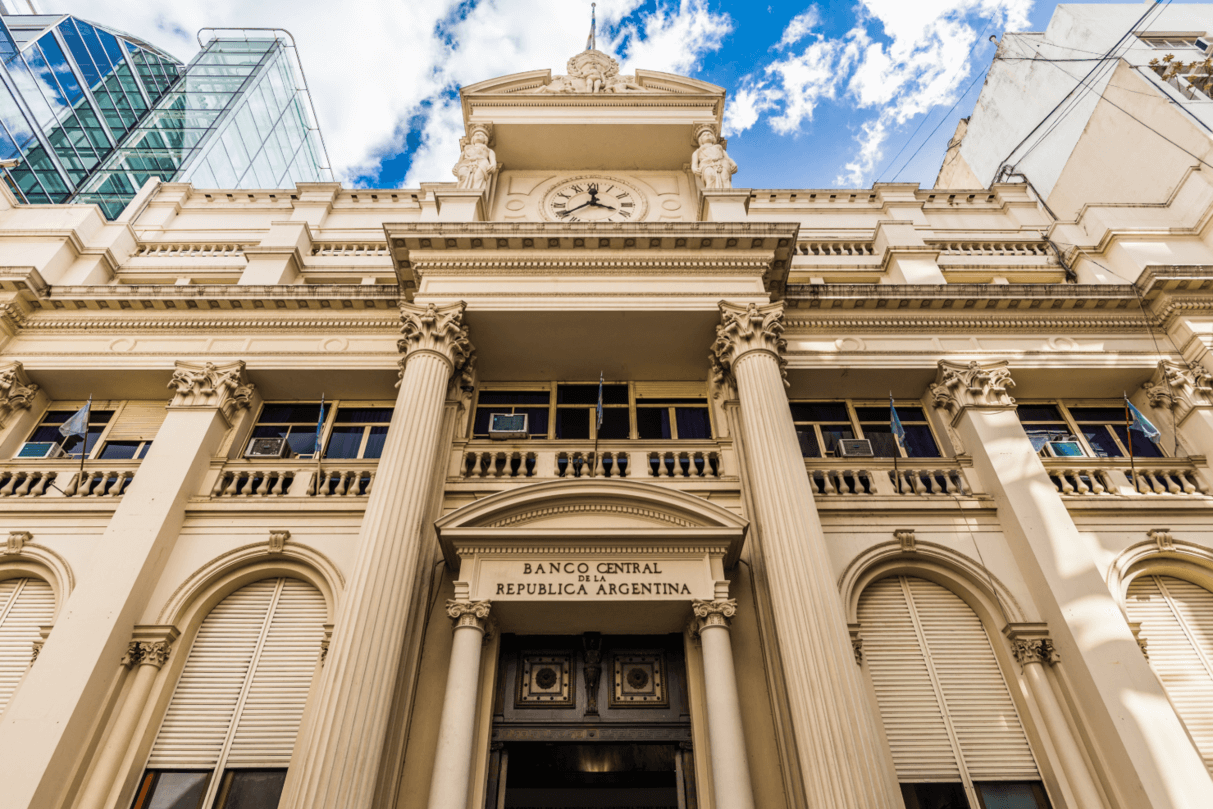
Argentine Central Bank Eases Some Currency Restrictions
Payments are now split into two installments, due at 30 and 60 days after customs clearance, replacing the old four-installment plan spread over 120 days.
This streamlined method boosts companies’ cash flow and strengthens their competitive edge globally.
Individuals who received state aid during the pandemic or public service subsidies are now eligible to engage in foreign exchange transactions.
They can access tools like the “Electronic Payments Market” and “Cash Settlement,” enhancing their financial capabilities and purchasing power.
Additionally, the BCRA has increased the yearly limit for service exporters from 12,000 to 24,000 US dollars in local currency accounts.
This adjustment cuts down bureaucratic hurdles, encouraging a healthier climate for international trade.
Faced with challenges like inflation and stringent financial regulations, Argentina’s economic landscape has been tough.
These recent measures by the BCRA are designed not only to rejuvenate the struggling economy but also to restore confidence among businesses and consumers.
Such reforms are crucial for stability and growth in a country with a historically volatile economic environment, positioning Argentina for a brighter, more prosperous future.
More: Argentina news in English, every day from The Rio Times.
This article was produced by The Rio Times’ automated newsroom system. How we use AI · Report an error
Read More from The Rio Times