Argentina’s Economy Dips Unexpectedly Following Milei’s Austerity Measures
Argentina’s economy is undergoing a significant transformation under President Javier Milei’s leadership. Recent data shows a temporary dip in economic activity, signaling the start of a necessary adjustment period.
This change sets the stage for long-term stability and growth. In September, the economy contracted by 0.3% compared to August. While unexpected, this shift reflects the immediate impact of Milei‘s decisive austerity measures.
These actions aim to address long-standing economic issues and create a solid foundation for future prosperity. Encouraging signs of recovery are already emerging. Wage growth has outpaced inflation for six consecutive months.
This trend boosts consumer purchasing power and stimulates economic activity. The manufacturing sector is also showing positive momentum, indicating increased production and economic vitality.
Inflation, a persistent challenge for Argentina, is now on a downward trajectory. This development eases financial pressures on businesses and households alike.
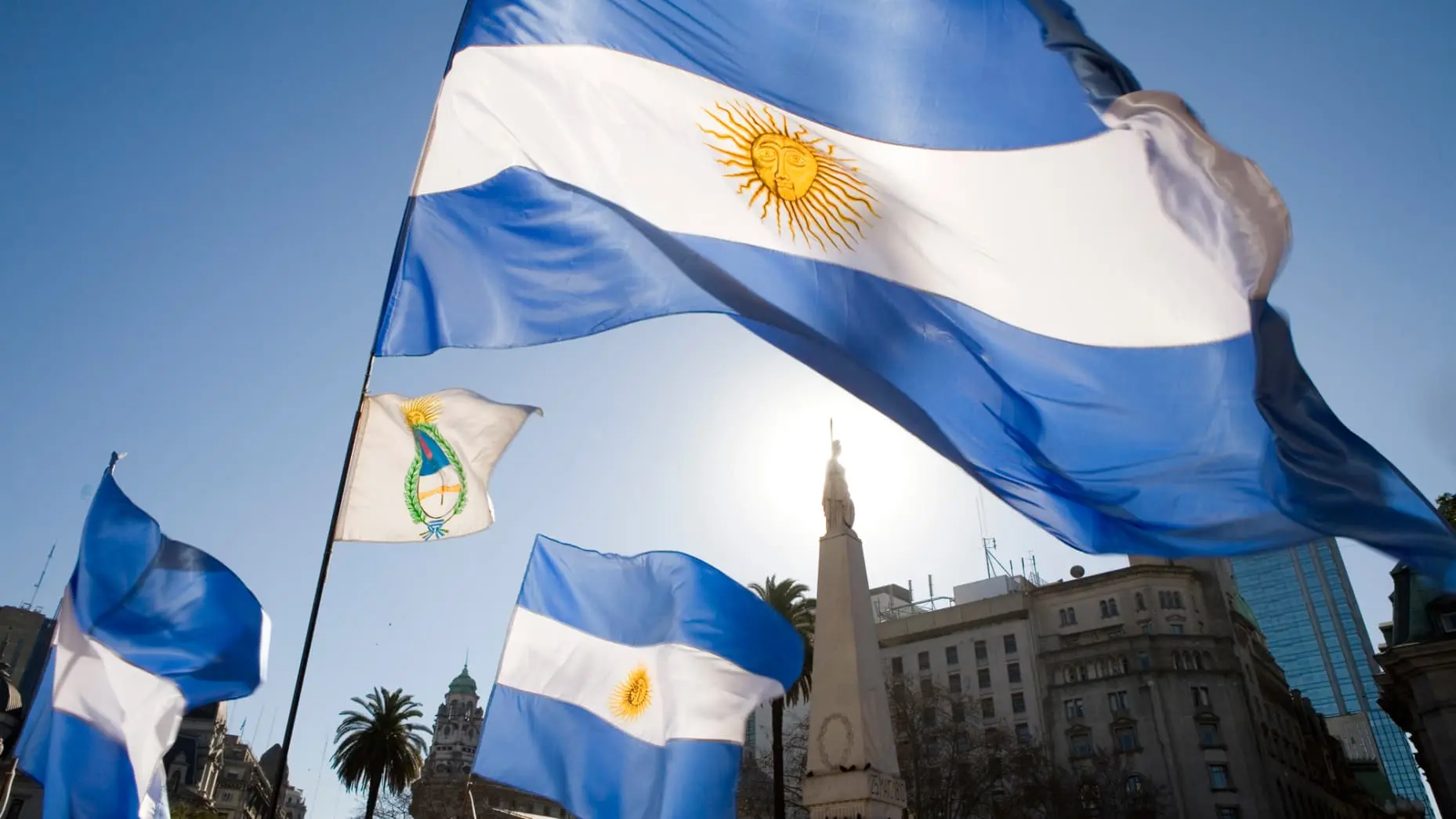
Poverty rates are also decreasing, reaching levels not seen in two decades. These improvements demonstrate the effectiveness of current economic policies.
Argentina’s Path to Economic Recovery
Economic experts project a brief contraction of 3.6% in GDP this year. However, they confidently forecast a robust 3.6% growth in 2025.
This outlook underscores the potential for a strong economic rebound in the near future. In a proactive move, Economy Minister Luis Caputo has initiated discussions with the IMF for a new loan program.
This strategic approach ensures Argentina has the necessary resources to support its economic transformation. It also signals international confidence in the country’s economic direction.
Caputo’s announcement of potential new IMF funding highlights the government’s commitment to financial stability. It provides a clear path for managing economic challenges and fostering growth.
This approach aligns with global best practices for economic management. The current economic situation in Argentina represents a pivotal moment of change. It reflects the government’s determination to implement necessary reforms for long-term prosperity.
These measures, while challenging in the short term, are essential for sustainable economic health. As Argentina moves forward, the focus remains on balancing fiscal responsibility with growth initiatives.
The government’s adaptive approach to economic management ensures policies remain effective and responsive to changing conditions. This flexibility is key to navigating the complex global economic landscape.
More: Argentina news in English, every day from The Rio Times.
This article was produced by The Rio Times’ automated newsroom system. How we use AI · Report an error
In depth
Read More from The Rio Times